The 25% U.S. duty on European premium cars has knocked 5-7% off export margins, with luxury-leather goods producers under the same pressure. A $3.8 billion annual revenue decline is estimated for the EU luxury sectors if tariffs stay in place through 2025 (Bain 2024). Ultra-luxury goods (\u003e€50k MSRP) also have low demand elasticity, so brands like Hermès are not fully exposed to immediate volume declines even in the face of pricing increases.
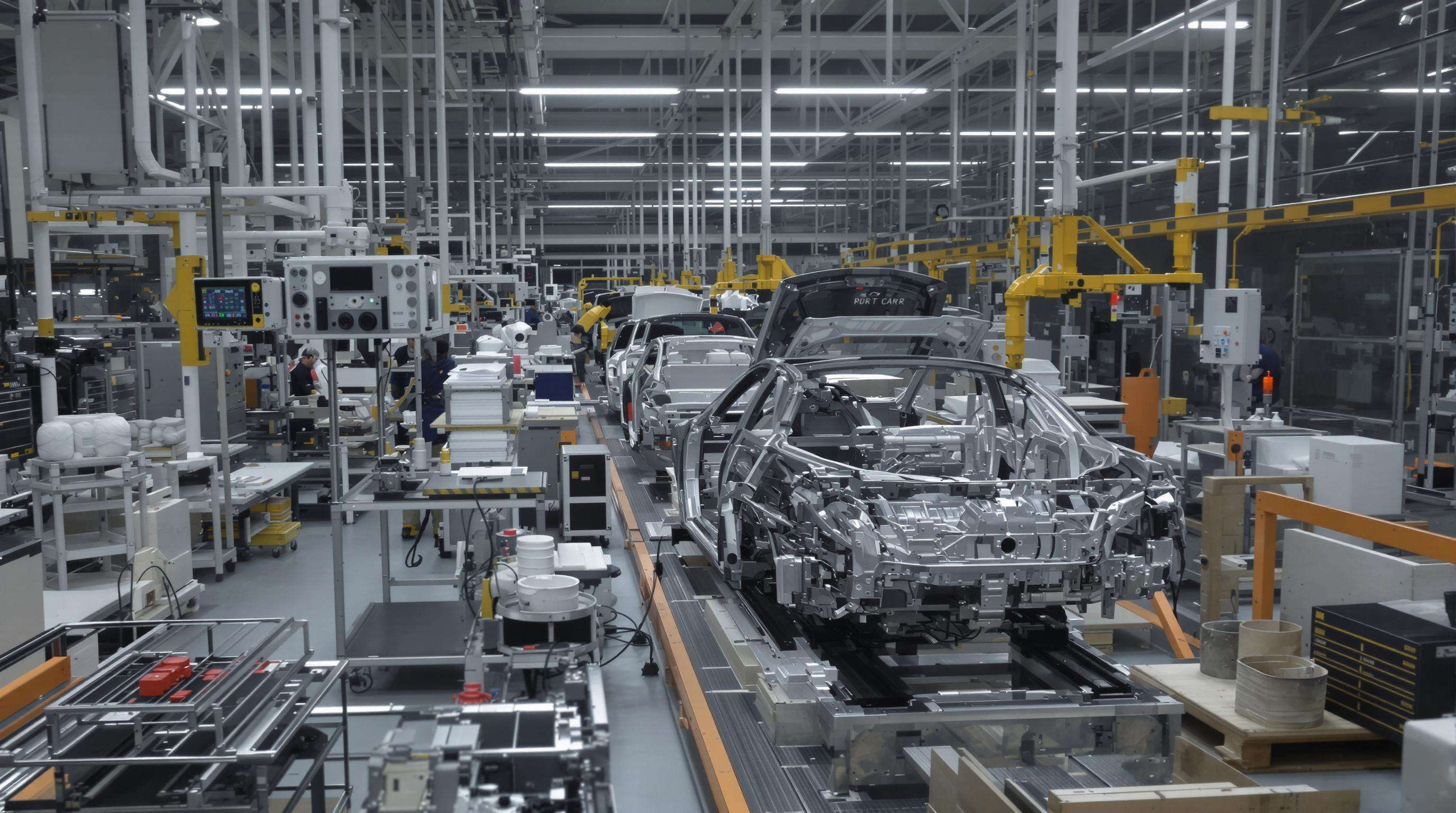
Manufacturers are deploying three key mitigation tactics:
Automated factories in Eastern Europe now handle 37% of non-core leather processing at 22% lower labor costs than traditional ateliers.
Secondary impacts include:
The 2024 Global Luxury Market Report warns of a 2% sector-wide contraction if retaliatory EU tariffs on U.S. whiskey and tobacco escalate.
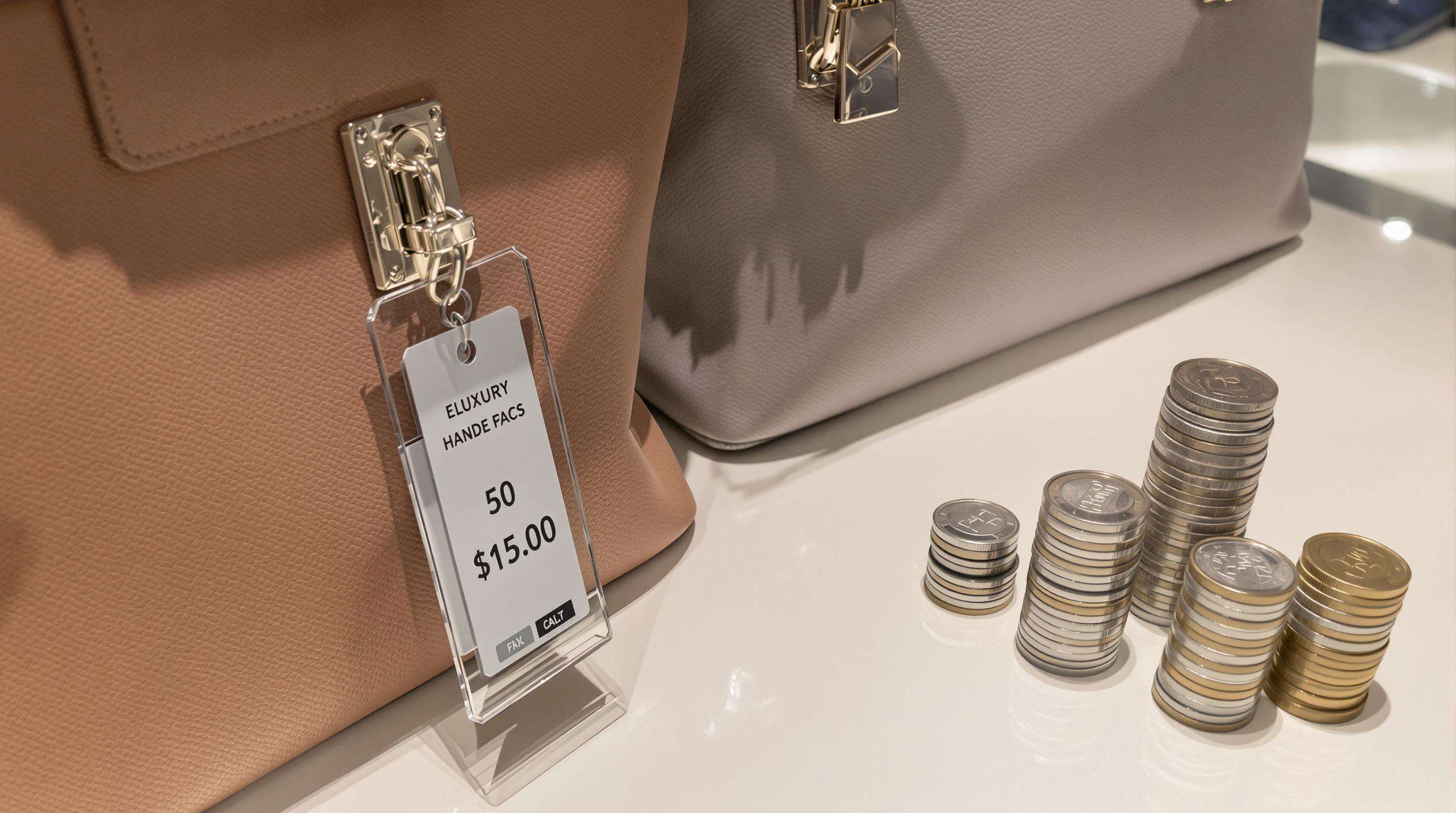
Analysis of 120 SKUs reveals brands with \u003e75% gross margins pass through 89% of tariff costs, while mid-tier labels absorb 61% to maintain demand. For example, a €10,000 handbag facing 31% tariffs requires:
| Strategy | Consumer Price | Brand Margin Impact |
|---|---|---|
| Full cost pass-through | €13,100 | +0% |
| Partial absorption | €11,500 | -9.5% |
Luxury stocks implementing hybrid approaches outperformed pure strategies by 19% in H1 2024 (Saxo Markets Study).
Artisanal production accounts for 60-70% of total costs, with master craftsmen requiring 7-10 years of training (European Luxury Trade Group 2024). Hand-stitching leather goods consumes 18-24 labor hours per unit. Emerging AI-assisted quality control systems could reduce errors by 40% without compromising artisanal branding.
Exotic materials inflate costs by 45% compared to mass-market alternatives (2023 Fashion Sustainability Report). Luxury supply chains span continents—crocodile skins processed in Singapore, Scottish cashmere woven in Italy—creating 120-180 day lead times.
Quality control consumes 12-18% of production budgets, including destructive testing of 1 in 50 handbags. Luxury watchmakers discard 22% of movements during calibration versus 3% in industrial manufacturing (Materials Science Journal 2024).
Carbon-neutral initiatives add 20-35% to baseline costs (Global Ethical Sourcing Initiative 2024). While 68% of consumers claim willingness to pay sustainability premiums, €50M+ facility retrofits challenge ROI. Early adopters report 9% price increases for Eco-Luxury certified goods.
Luxury brands maintain pricing power despite 18% YoY production cost increases (Bain 2023). Brand equity drives 60-75% of valuations, decoupling prices from pure manufacturing math.
Strategic narratives enable premium positioning:
European manufacturing commands 22-35% price premiums over identical Asian-made goods (McKinsey 2022). The "atelier effect" combines:
38% of Chinese factories now meet EU quality benchmarks versus 12% in 2015, due to AI-assisted reverse-engineering and recruited European artisans. However, 73% of consumers still associate "Made in China" with mass-market goods (Luxury Consumer Trust Index 2024).
Chinese factories operate at 40% lower labor costs with 98% accuracy through computer-vision QC. Bulk purchasing reduces leather costs by 22% versus European supply chains. Hybrid models combine AI cutting (31% less waste) with hand-finishing.
Disclosures of Chinese assembly for "Made in Italy" goods caused 14% willingness-to-pay drops. Chinese domestic brands now capture 28% of China's $92B luxury spend, up from 7% in 2019.
China manufacturing carries three risks:
Vietnam and Portugal offer alternatives with 17-24% cost premiums but lower geopolitical exposure.
Brands absorb 18-22% of tariff costs, yet 53% of shoppers perceive recent price hikes as unjustified. AI-driven elasticity models now predict tolerance with 89% accuracy.
The "Made-in-Europe" label still commands a 22% premium among millennials, while blockchain-verified sourcing influences 41% of premium purchases.
Blending artisanal specialists (40-60% capacity) with automated suppliers improves disruption resilience while preserving flagship quality.
Final assembly in FTA countries reduces tariff costs by 22% (2024 trade policy analysis). Localized manufacturing also strengthens regional authenticity narratives.
How have U.S. tariffs affected European luxury exports? European premium cars and luxury-leather goods manufacturers have experienced a 5-7% reduction in export margins due to the tariffs.
What strategies are European manufacturers using to mitigate tariff impacts? They are using production nearshoring, modular design, and blockchain verification.
How do consumers perceive the price changes in luxury goods? While brands are absorbing 18-22% of tariff costs, 53% of shoppers feel the recent price hikes are unjustified.
 Hot News
2024-07-18
2024-07-08
2024-07-08

 EN
EN