QA checks are really important in the used car export business because they make sure cars actually meet those international safety rules and performance benchmarks. Without this, sellers could face all sorts of problems down the road while buyers lose confidence in what they're purchasing. The situation gets even trickier when looking at markets full of pre-owned Toyota Camrys or other Japanese makes known for lasting forever and running smoothly. Take a look at how some exporters handle their QA procedures and it becomes clear why certain used Japanese imports command such high prices on the world market. Proper inspection and documentation just makes sense for everyone involved in this growing sector.
When companies put quality assurance into place, they see happier customers and smoother day-to-day operations in the used car export business. This matters a lot in places like Southeast Asia where there's huge demand for pre-owned Japanese vehicles. Sticking to QA guidelines actually makes things run faster and cleaner, which means more cars sold and bigger profits down the road. The real magic happens when buyers start trusting what they get every time they purchase from us. That kind of reputation opens doors in foreign markets too, helping exporters establish themselves as reliable players in the global secondhand vehicle trade.
Making sure used cars are fit for export really depends on good inspection and certification work. The process basically means looking at each vehicle thoroughly to check if it meets all those quality, safety rules and regulatory requirements from different countries. When exporters take their time inspecting cars properly, they spot problems before shipping them out. This saves everyone headaches later when things go wrong after the sale is made. Some common issues found during these checks include hidden rust spots or mechanical faults that weren't obvious at first glance.
Checking documents remains an essential part of quality control, helping maintain accurate records while meeting all necessary legal standards. When companies get their paperwork right from the start, they avoid many headaches down the road during international shipping. We've seen too many instances where missing signatures or incorrect forms cause massive delays at customs or even lead to seized cargo. The situation becomes especially tricky in popular markets for secondhand vehicles, take Japanese used car exports for instance. A single mistake in the documentation chain can mean weeks of waiting time at ports, costing businesses thousands in storage fees and lost sales opportunities.
Environmental compliance just keeps getting more important for businesses. With people caring more about their impact on the planet these days, exporters dealing with Chinese electric vehicles face some pretty tough regulations they need to follow. When EVs actually pass these tests, companies aren't just checking boxes for regulators. They're tapping into a real market too. More folks want to buy used cars that don't harm the environment, so meeting those green standards helps sellers stand out from competitors who might be cutting corners on sustainability requirements.
Quality assurance for used car exports runs into all sorts of regulatory hurdles because exporters have to deal with a maze of international trade rules. Each country has its own set of quality standards, making the whole export game pretty complicated. Take Japan for instance, cars that pass there might fail inspection when shipped to markets such as Russia or various Eastern European nations. Without consistent global standards, verifying compliance becomes a time consuming headache for everyone involved. This mess slows things down considerably and adds unnecessary costs to what should be straightforward business.
Keeping supplier quality consistent helps ensure standardized products when exporting goods. Manufacturing facilities often follow QA protocols differently, so getting uniform quality from exported cars remains tricky business. When suppliers apply manufacturing methods inconsistently, we end up with products that vary in quality. These differences create real problems for companies trying to meet what customers want in different countries while still protecting their brand name globally. Exporters spend extra time and money dealing with these inconsistencies just to keep their international customers happy.
Different cultures and markets complicate quality assurance because people around the world often have completely different ideas about what makes something "good quality." Take Russia for instance where drivers want cars that can survive brutal winters and rough roads, so they look for vehicles built tough enough to last through extreme conditions. Meanwhile over in places concerned about green issues, customers tend to gravitate toward electric vehicles instead. Exporters need to get this stuff right when selling pre-owned Japanese automobiles abroad. They must adjust both the actual cars they offer and how they market them if they hope to meet all these varied expectations across different regions. Getting this right means business success, getting it wrong leads to unsold inventory sitting on dealership lots.
When it comes to the QA process for secondhand cars moving across borders, both exporters and importers have important jobs to do. Exporters need to check everything about a car before it leaves the dock - does it run properly? Are all the papers in order? Is there any hidden damage? They also need to make sure these vehicles pass global safety tests and quality checks. Then we get to the import side of things where folks face different challenges. Importers must deal with making sure these same cars fit what's required by local laws once they arrive somewhere new. Take Russia as an example country. Getting through customs there isn't just paperwork; inspectors really go over each vehicle thoroughly. A classic case would be trying to bring in a pre-owned Toyota Camry model. Without proper documentation showing it meets Russian roadworthiness requirements, this popular sedan might never actually reach its destination.
Working closely with car makers really boosts our quality assurance work. Japanese automakers especially bring some great tech and know-how to the table when assessing vehicles. Their expertise helps us check used cars thoroughly so they stay in good shape for export markets. With their help, we can inspect every vehicle properly and make sure nothing slips through the cracks before these cars cross international borders. This partnership means better results all around for everyone involved in the process.
Regulations and standards set by governments are really important when it comes to making sure products meet quality requirements. Following these rules protects buyers and builds trust in the secondhand car marketplace, especially when talking about well known Japanese models like Toyota or Honda. When companies comply with regulatory requirements, they're actually preparing their inventory for resale across different regions around the world. This matters a lot because people who want to export Japanese used cars need to know their stock will appeal to various international customer groups with different expectations and preferences. For anyone involved in importing or exporting pre-owned Japanese automobiles, understanding local regulations becomes absolutely critical to success in foreign markets.
The automotive industry's quality assurance practices have changed dramatically thanks to tech improvements, especially when it comes to digital tools. QA teams are getting way more efficient these days because they can inspect things faster using mobile apps and specialized software that handles most of the paperwork automatically. Take car makers for instance they're starting to rely on these powerful platforms to keep tabs on component quality as things happen, which cuts down on those annoying mistakes people make when doing stuff manually and makes the whole approval process go much quicker. And let's face it, saving time is great, but what really matters is knowing that every single part meets those strict quality requirements without fail.
Alongside traditional digital tools, artificial intelligence and machine learning are now making waves in how we assess vehicles. These smart systems look through mountains of data to spot possible quality problems ahead of time, which really boosts quality control efforts. When AI finds patterns and trends hidden in all that data, it basically acts as an early warning system for defects that haven't happened yet. That means factories can fix issues before they become big headaches. For car makers especially those shipping older models such as the popular used Toyota Camry or other reliable Japanese cars this kind of foresight helps keep their reputation intact. After all, nobody wants to send out secondhand vehicles only for them to develop problems halfway across the ocean.
Blockchain tech is becoming increasingly popular for bringing visibility to business deals. When applied to vehicle exports, it creates a tamper-proof log of every stage along the supply chain path. This lets everyone involved, whether they're shipping companies or receiving businesses, check if the cars are genuine and meet all necessary standards before finalizing sales. The need for this kind of openness becomes even more apparent when we look at certain markets where secondhand vehicles dominate trade activity. Think about buyers searching for reliable pre-owned cars in places like Russia or people interested in Chinese made electric models. All these digital advancements work together to confirm both the realness and condition of automobiles being traded around the globe. As a result, customers start feeling more confident about their purchases despite how fast things change within today's car market landscape.
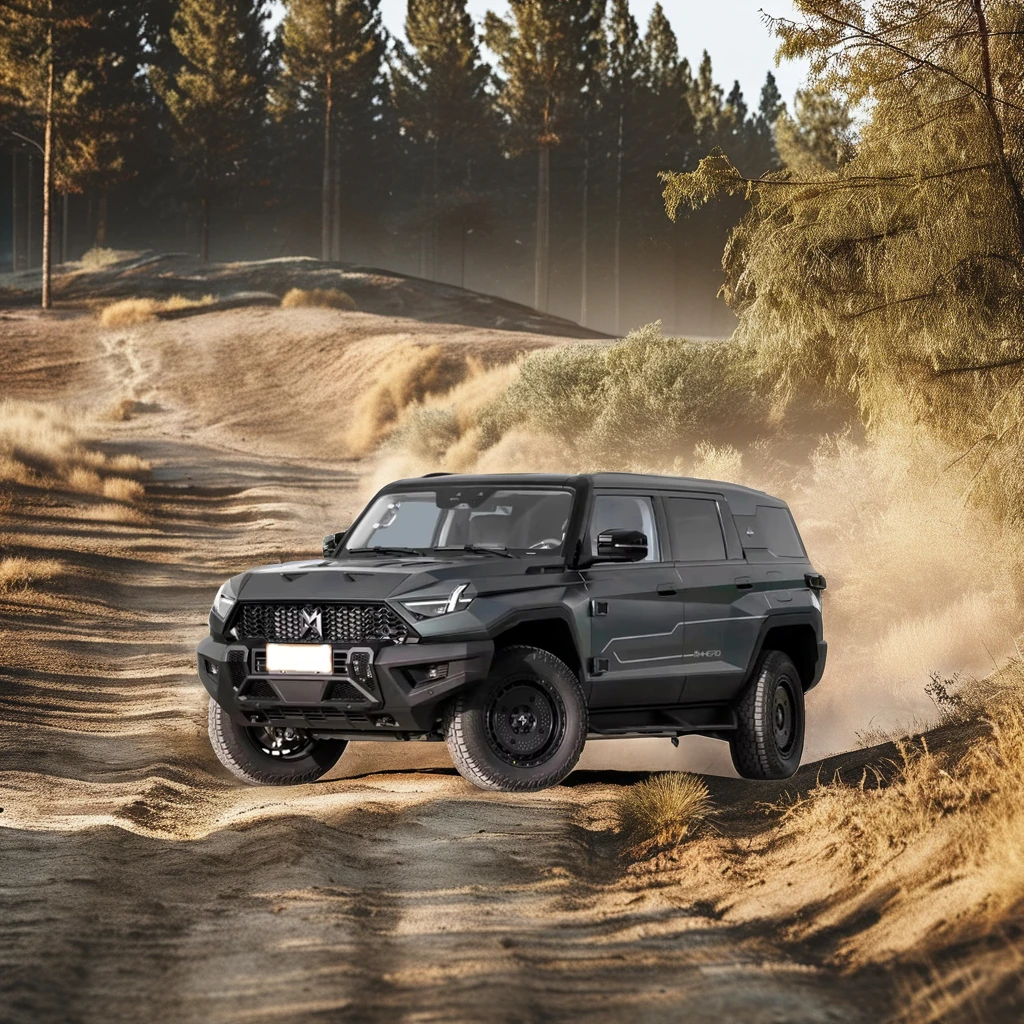
The Mengshi 917 Turbo Engine SUV brings together solid performance and reliable operation, backed up by strict quality checks throughout production. What makes this vehicle stand out? It comes equipped with a punchy turbo engine that delivers real power when needed, along with sophisticated electronic stability systems that keep things under control even in tricky conditions. The torque output is pretty impressive too, reaching levels that most drivers won't need but will appreciate knowing it's there. All these performance characteristics stay consistent because the manufacturer runs multiple inspection stages during assembly. For people who want something they can count on without breaking the bank, this SUV has become a popular choice among those looking for value without sacrificing quality.
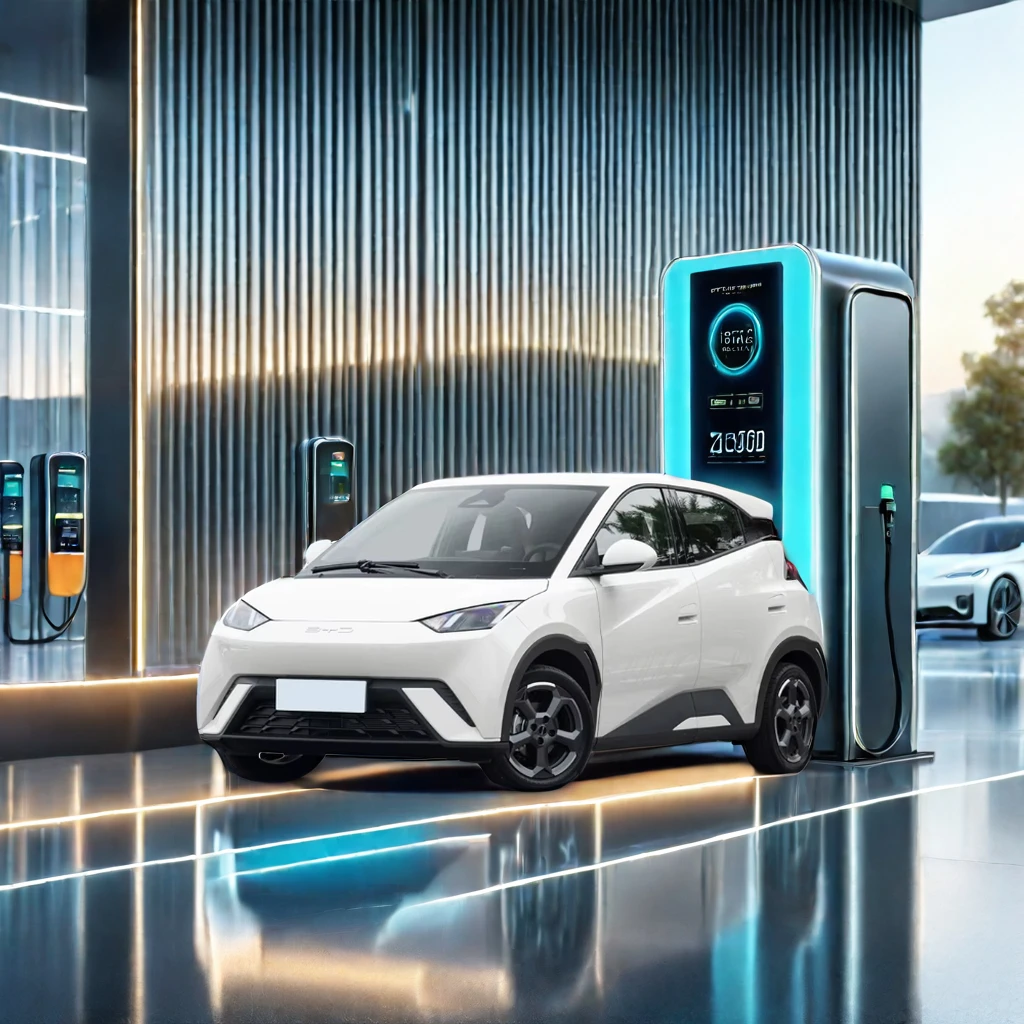
For younger drivers looking to go green, the 2024 Seagull 305KM New EV Car has become something of a favorite choice lately. Built with serious attention to quality, this electric vehicle meets all the latest safety requirements while staying within strict environmental guidelines. The manufacturer really put effort into getting those quality assurance checks right because nobody wants their EV breaking down or underperforming after purchase. As China's electric car market continues growing at lightning speed, these kinds of rigorous standards help explain why some models stand out from the competition when it comes to both how well they run and how efficiently they consume energy over time.
Finally, the 2024 Leapmotor C11 Mid-Size SUV is crafted to offer innovative specifications, backed by an uncompromising QA policy that signifies quality and reliability. This model is a testament to cutting-edge engineering, providing a hybrid experience with a high top speed, well-suited to buyers seeking assurance in their automotive investments.

 Hot News
2024-07-18
2024-07-08
2024-07-08

 EN
EN