Success in exporting used cars really depends on knowing where the demand hotspots are. Markets across Africa, Latin America, and certain Asian countries have seen a real boom in their appetite for secondhand vehicles lately. Why? Well, populations are growing fast there, cities are expanding, and people generally have more money to spend now than before. Looking at market research data from trade groups helps exporters spot what kinds of cars sell best in different places. Take Africa for example the continent needs cheaper transportation options, which makes it one of the biggest players in the global used car trade right now.
Exporting secondhand vehicles requires getting familiar with all sorts of international rules and regulations. First things first, check out what kind of export restrictions apply back home, from licenses needed to tariff rates that might affect profits. Then look into what the destination country expects regarding car imports, especially their safety standards for vehicles and any environmental regulations they enforce. Put together a solid list of required paperwork too – think bills of lading, proper invoices, those official export permits – so nothing gets missed during the shipping process. Taking time to sort through these details upfront helps prevent headaches later on when dealing with customs officials, plus makes sure operations stay on track without unnecessary delays or complications down the road.
Getting a good look at used cars through proper inspection helps determine their real worth and overall state. When checking out a car, make sure to examine key parts like how the engine runs, whether the transmission shifts smoothly, if the brakes work properly, and how stable the suspension feels. Many people find it wise to bring in a qualified mechanic or go with an established inspection service for those deeper checks. These detailed examinations do more than just spot problems they come with paper trails that sellers can show potential buyers. Having this kind of evidence creates confidence in transactions and backs up what sellers say about the car's actual condition.
Checking a car's mileage and accident background should be part of any serious used car inspection. Tools like Carfax reports and AutoCheck services give buyers access to comprehensive vehicle histories, showing everything from collision damage to verified odometer readings. The numbers on the dashboard need to make sense when compared to how old the car actually is and what shape it appears to be in. If there's a big gap between these factors, someone might be trying to hide something shady. Looking at service records and repair invoices also tells a lot about how well the previous owner maintained the vehicle over time. All these checks create a clearer picture for potential buyers, which means fewer surprises down the road after purchase.
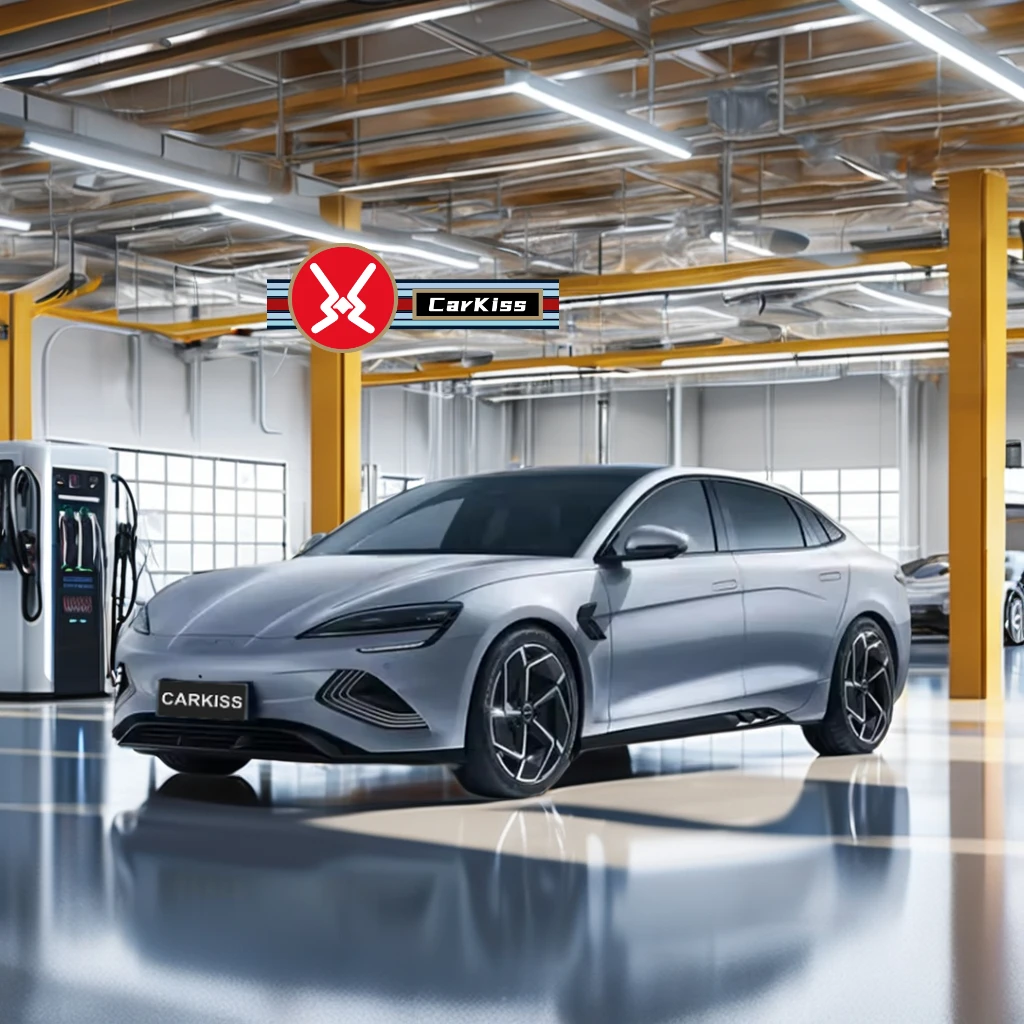
The BYD Seal has really caught attention in the electric vehicle world thanks to its remarkable range capabilities. With around 700 kilometers possible on one full charge, this car addresses a major concern for potential EV owners worried about running out of power during longer trips. What sets the Seal apart from so many others? Its cutting edge battery system that not only boosts how efficiently it uses electricity but also gives drivers peace of mind knowing they can go further between charges. Business travelers and weekend adventurers alike seem particularly drawn to these features. Looking at what people are saying online, most folks point out that while there are plenty of long range electric cars out there now, few offer such good value for money at this price level.
The Zeekr 009 combines lots of space with practical flexibility that works great for both family trips and business needs. Inside, there's plenty of room thanks to seats that can be rearranged in several ways depending on how many people need to ride or what cargo needs carrying. The cabin comes loaded with tech stuff too - think smartphone integration, advanced driver assistance features, and other goodies that make driving around town actually enjoyable. Looking at prices across different countries, this Chinese made MPV often costs less than similar vehicles from Europe or America while still packing specs that rival much pricier competitors. That makes sense why so many companies are starting to look seriously at the Zeekr 009 when they need reliable transportation solutions.
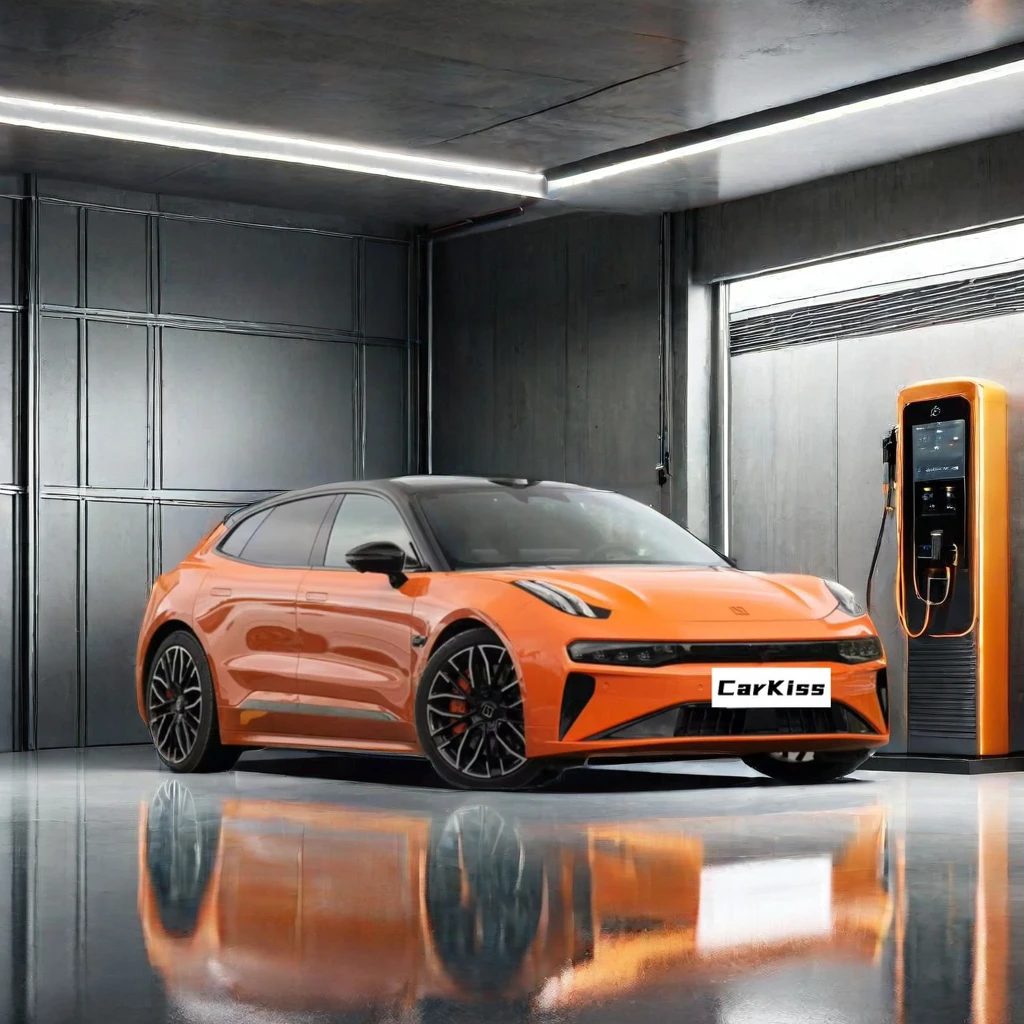
The Geely Zeekr 001 brings together luxury and performance in one package, offering an electric hatchback that looks good and packs some serious tech inside. What catches the eye isn't just how it looks on the outside but also the comfortable cabin space and all those smart features that make driving this vehicle quite special. When it comes to going fast, the Zeekr really shines too. It accelerates quickly and delivers power numbers that can hold their own against cars from big name European manufacturers. Car magazines and online reviewers keep talking about how nice it looks and works, which has made this Chinese EV a real contender for anyone who wants something fancy but still wants speed. Some analysts even think it could become a hit overseas market soon enough.
Choosing the correct shipping method matters a lot when sending cars overseas if we want them delivered on time without breaking the bank. Three main options exist: shipping by sea, flying them via air cargo, or driving them across borders. Sea shipping tends to save money for longer trips between continents, whereas air transport gets things there fast when timing is critical. For shorter distances within regions, road transport might work best. Before making a decision, look into companies that specialize in moving vehicles and check what others say about their track record with punctuality and quality service. Don't forget about insurance either. Getting proper coverage protects against unexpected problems like accidents or theft during transit, which helps protect what was invested in those vehicles from start to finish.
Getting customs documents right makes exporting much easier overall. A good idea is to create a solid checklist covering everything needed including invoices, bills of lading, and those important customs declarations. Many businesses find it really helpful to work with a customs broker who knows what regulators expect, so there's less chance of getting stuck at the border. Also worth considering is setting up some kind of tracking system for all these papers. When everything stays organized and within reach, customs agents can process shipments faster without unnecessary holdups. Taking time upfront to get documentation sorted out pays off big time later when goods move smoothly through checkpoints without problems or extra costs.
 Hot News
2024-07-18
2024-07-08
2024-07-08

 EN
EN