Global demand for cheaper transportation options keeps growing because people are paying more for basic living expenses and economies are changing all over the world. A recent study from the International Energy Agency found that around 7 out of 10 consumers globally are hunting for cars they can actually afford. We see this most clearly in developing countries like India and Brazil, where secondhand vehicles are often the only way many families get around. Cities are also driving this trend as urban workers need dependable but not expensive transportation just to get to work each day. Used cars remain popular simply because they cost less and are easier to find than new models, which helps explain why the market for exporting pre-owned vehicles continues to expand across borders.
Electric vehicle sales are really taking off in emerging markets, particularly for models made by Chinese companies. The prices on these EVs tend to be much better than traditional gas cars, plus they come packed with features that consumers want at this price point. According to BloombergNEF numbers, we're looking at over 2 million electric vehicles sold globally soon, and a big chunk of that will likely come from Chinese brands. This is starting to reshape how used cars get exported around the world too. Governments across these regions have been pushing green policies and offering cash rebates for people who buy electric vehicles. Combine that with rising awareness about climate change, and it's no surprise that more folks are trading in their old gas guzzlers for something cleaner and cheaper to run in the long term.
New car prices have gone through the roof lately, mostly because of all those supply chain issues and rising manufacturing expenses. This has pushed many shoppers toward secondhand options instead. After all, who wants to pay top dollar for something fresh off the lot when they can get similar models at a fraction of the cost? According to some recent numbers from the Bureau of Economic Analysis, used car sales jumped around 15% last year alone. That's pretty telling about what's happening economically right now. Currency fluctuations shouldn't be overlooked either. These changes impact how used cars are priced across borders and really mess with international trade patterns too.
Around the world, many governments are pushing hard for greener transportation by creating strict environmental rules that encourage people to buy electric cars, both new and secondhand, in order to cut down on carbon pollution. Most of these government programs include financial perks like tax breaks, cash rebates, and sometimes even direct grants when someone purchases a pre-owned electric vehicle. The market for used EVs has been growing steadily lately. A recent report from the World Resources Institute shows that areas with strong green policies have seen a big jump in exporting older electric vehicles, helping create a more environmentally friendly car industry overall. With these regulations becoming more widespread, we're likely going to see more folks shopping for electric cars at used car lots instead of dealerships, which will probably change how consumers think about buying cars in general.
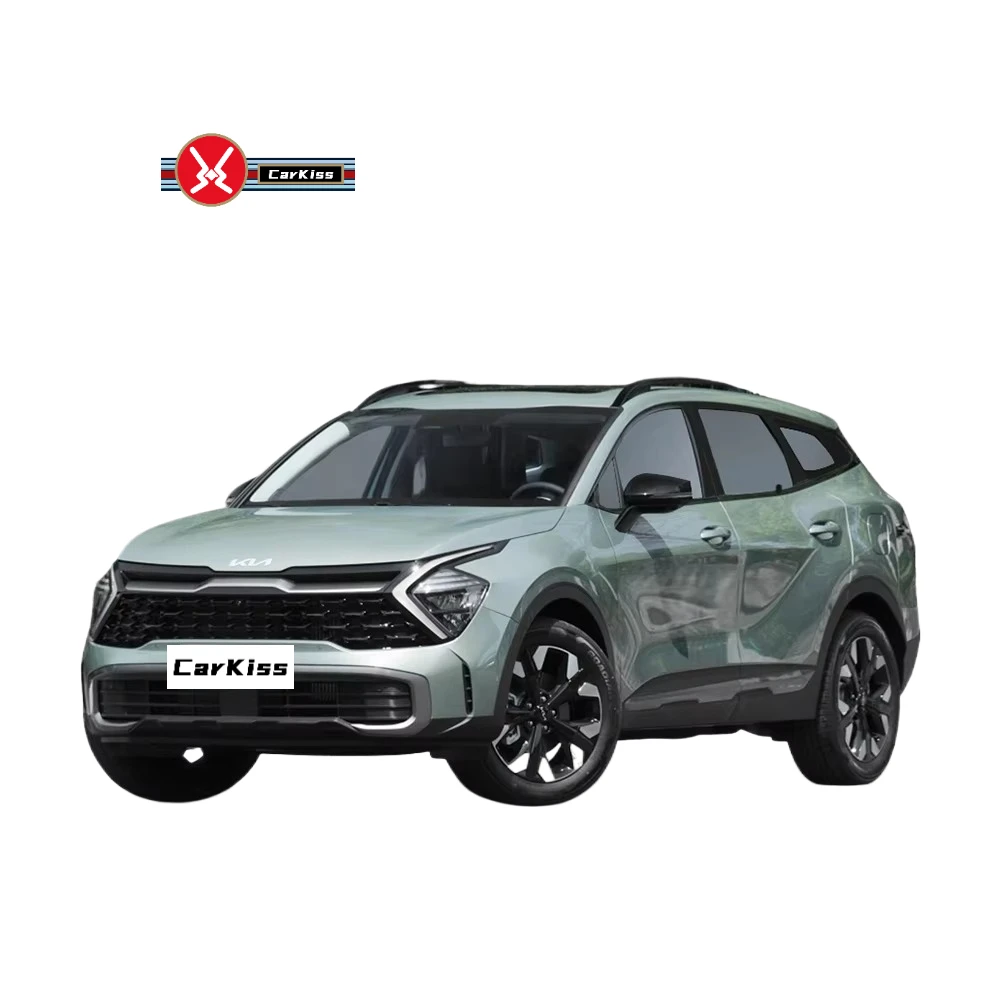
When it comes to exporting used cars, certain models just keep popping up on everyone's radar. The Kia Sportage, Toyota Corolla Cross, and Ford Explorer are three that consistently show up in demand across different countries around the globe. People love these vehicles because they tend to last longer than most, don't cost too much to maintain, and generally get good feedback from owners who've driven them for years. Auto sales reports indicate something interesting about the Kia Sportage lately - international sales shot up by about 20% compared to last year, which means this crossover is becoming pretty popular outside its home market. Why? Well, folks seem to appreciate how comfortable it feels inside while still delivering decent power under the hood, all at a price that doesn't break the bank. Over in places where money goes further, the Toyota Corolla Cross remains a hit thanks to its ability to burn through less gas than many competitors and offer plenty of space both inside and in the trunk area. Families especially gravitate toward this model since there's room enough for everyone and everything they need to carry around. And let's not forget about the Ford Explorer either. This big SUV has built quite a following simply because it feels solid and dependable when driving down rough roads or hauling heavy cargo. Many buyers looking for something rugged but not overly expensive end up choosing this one over others in its class.
Honda used cars keep drawing attention across the world's export markets because people know they last long and hold their value pretty well. The Civic and Accord models stand out especially in places like Asia and Africa, where folks want something that won't break down every other week and gets good gas mileage. A quick look at sales numbers shows these cars really hit what customers are looking for when it comes to lasting power under the hood. Why do Hondas stay so popular? Well, most owners seem happy with how their cars perform over time, which builds that brand loyalty thing. Surveys from companies such as J.D. Power back this up too. All these reasons explain why Honda continues to sit near the top of buyer lists worldwide for anyone needing reliable transport without breaking the bank. People just tend to trust Honda vehicles more than many others when shopping around for secondhand options that deliver both quality and affordability.
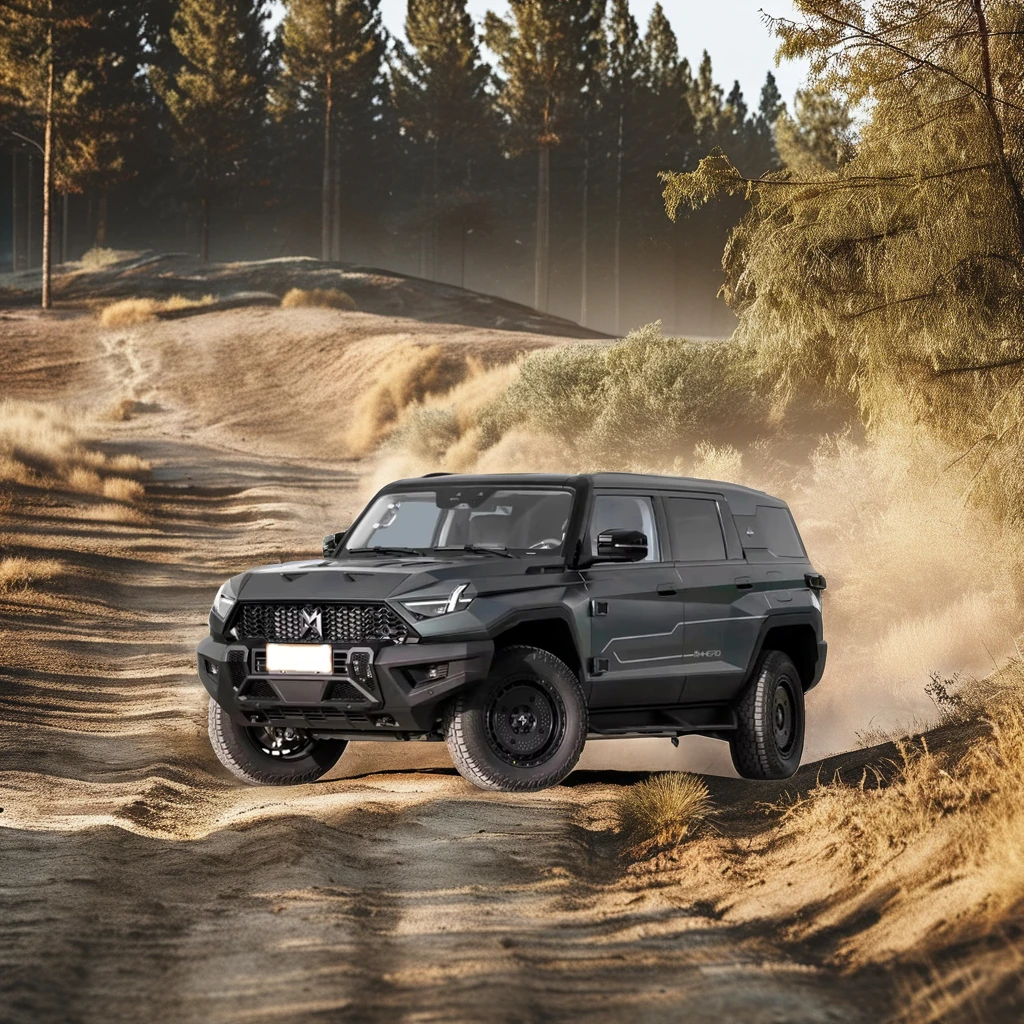
What really sets the Mengshi 917 apart is its turbo engine design that somehow manages to deliver both raw power and decent fuel efficiency, which has caught the attention of car dealers around the world. When we look at the technical specifications, they actually stack up pretty well against models from long standing automotive manufacturers, making this model a serious contender for Chinese cars trying to break into overseas markets. Safety wise, it scores highly on crash tests too, something that matters a lot to families looking for protection without sacrificing performance. The build quality feels solid throughout, with reinforced frames and multiple airbags standard across all trims.
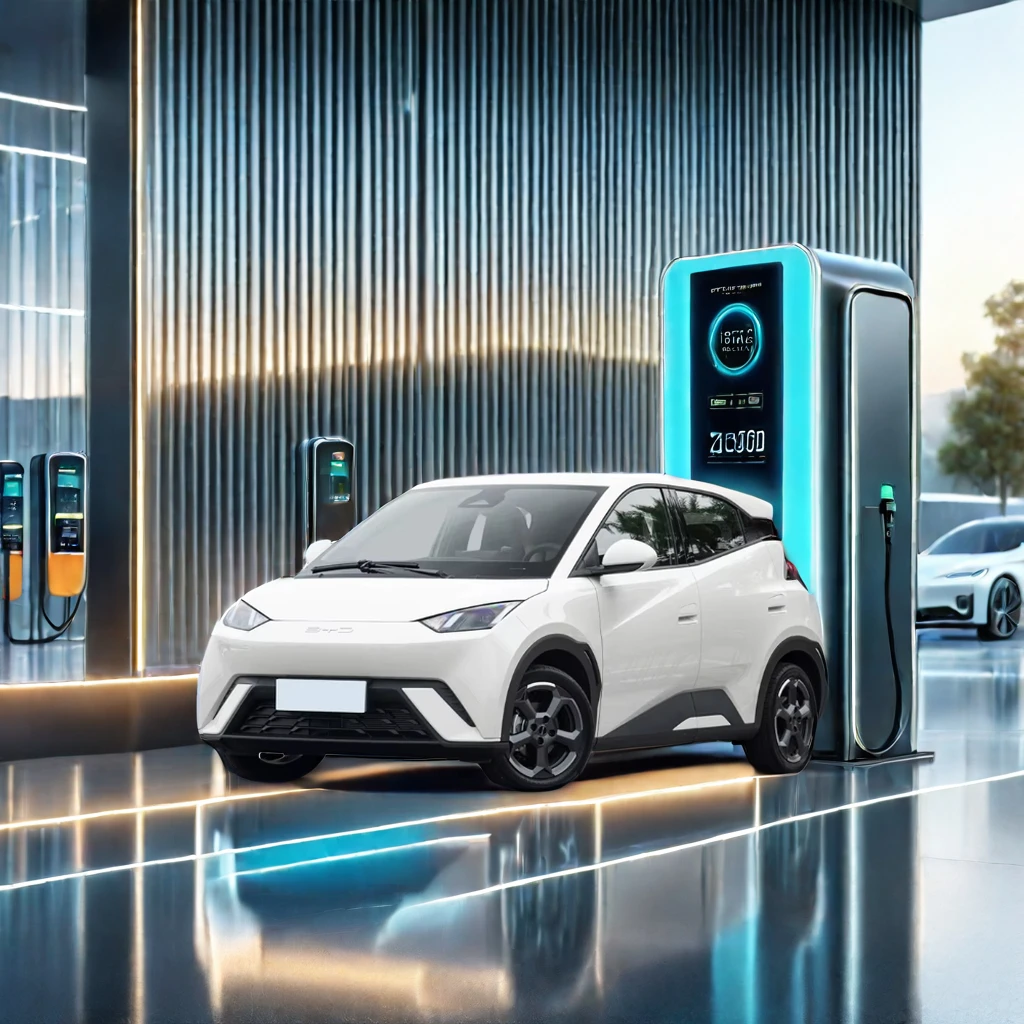
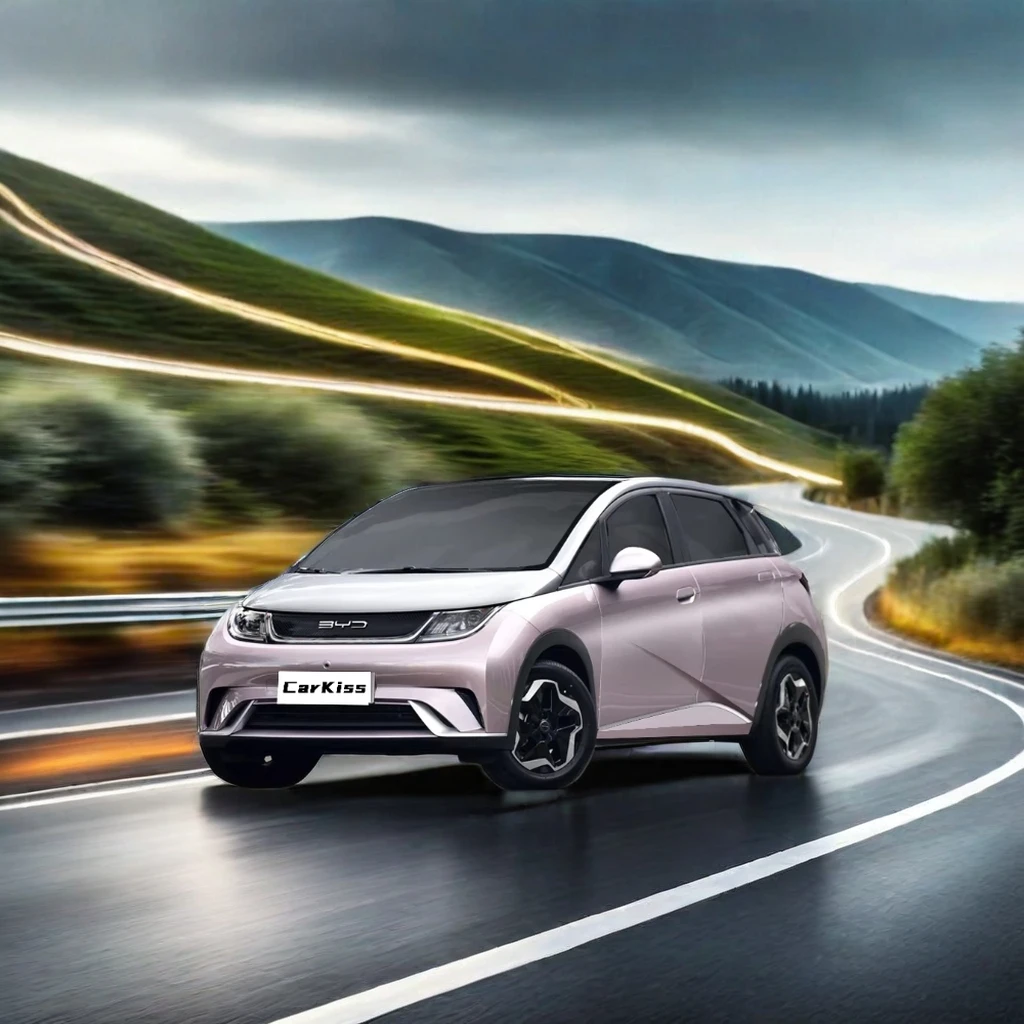
City dwellers looking for something different might want to check out the new 2024 Seagull. With its clever compact body and solid 305 km range on a single charge, this little electric car stands out from the crowd. What really makes sense here is how it balances price tag with green credentials something not all EVs manage so well. According to recent surveys, folks under 35 seem especially drawn to vehicles like these since they care deeply about reducing their carbon footprint without breaking the bank. The Seagull hits that sweet spot where practicality meets environmental responsibility.
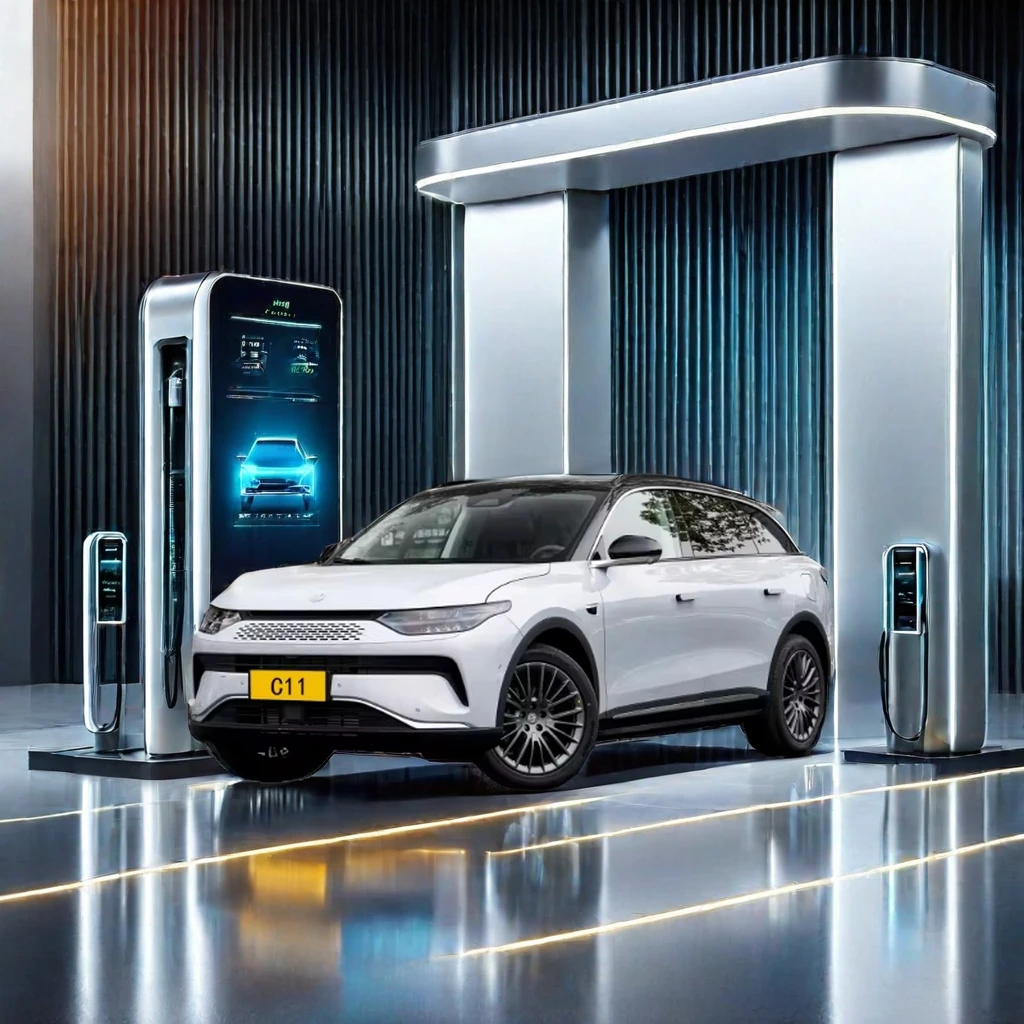
The 2024 Leapmotor C11 has become quite popular among those looking for a hybrid SUV that doesn't sacrifice power while cutting down on emissions. This vehicle fits right into what's happening worldwide with energy consumption patterns changing rapidly. More folks these days seem to be thinking about how their car choices affect the environment, which explains why many potential buyers find the C11 appealing when they're shopping for something fuel efficient. We've seen data showing that interest in hybrids similar to the C11 continues to rise steadily. The automotive market is clearly moving towards greener options, and manufacturers are responding by producing cars that meet this demand for environmentally conscious transportation without compromising on performance features.
Exporting pre-owned vehicles internationally means dealing with a maze of trade laws and vehicle standards that vary from country to country. The whole process gets complicated fast when regulations differ so much between markets like Europe versus Southeast Asia, causing headaches for exporters trying to get paperwork sorted out before shipping. Experts recommend that anyone serious about exporting needs to spend time learning exactly what each target market requires regarding emissions testing, safety certifications, and import taxes. Getting ahead of these requirements upfront saves money in the long run by avoiding costly mistakes at customs checkpoints. Many businesses are now turning to digital platforms to handle compliance tasks. Software solutions automate document preparation and track regulatory changes in real time, cutting down on manual work and errors. For instance, some companies use blockchain technology to maintain tamper-proof records of compliance data throughout the supply chain. These tech investments free up management teams to think bigger picture rather than getting bogged down in daily compliance issues.
OEM and ODM services give businesses real flexibility when adapting vehicles for different markets. Companies working with these manufacturers can tweak designs according to what local customers want while still meeting all the regulatory requirements in each country. This makes them stand out from competitors who might be selling one-size-fits-all models. Take Toyota for instance they completely redesigned their pickup trucks for South American markets where road conditions and consumer tastes differ significantly from North America. When products match what people actually need, getting established in new regions becomes much easier. Market research shows that brands using OEM and ODM approaches tend to see better sales numbers and happier customers over time. From our experience watching automotive trends, we've noticed that companies willing to customize through these partnerships often end up dominating niche segments that others overlook.
 Hot News
2024-07-18
2024-07-08
2024-07-08

 EN
EN