
Effective logistical planning remains a cornerstone of successful auto export partnerships. Yet nearly half (47%) of supply chain professionals rely on outdated freight visibility tools (TAPA 2023). This often triggers cascading disruptions, especially when moving high-value automotive components through volatile trade corridors.
Three systemic gaps frequently precede export failures:
The most severe cases involve partners unable to provide real-time humidity/temperature data for sensitive electronics — a necessity for modern EV battery exports. Such oversights correlate with 22% higher cargo damage rates in automotive supply chains (FreightWaves 2024).
A North American OEM lost 42% of a 450-container aluminum body panel shipment's value during the 2023 West Coast port crisis. Key failures:
Post-analysis showed multi-port distribution could have saved $780k in demurrage fees alone.
Leading exporters now deploy:
These measures reduced transit time variability by 31% in 2024 Asian corridor tests (Aberdeen Group), critical for just-in-sequence deliveries where 72-hour delays can idle entire plants.
USMCA presents easier origin documentation for 67% of automotive exporters but hard and fast emissions testing. EU customs lean on VAT harmonization and safety controls — Italy's 14-point brake tests require an extra 2-3 days compared to Germany's unsupervised ISO-part approvals. This patchwork leads to bottlenecks: 19% of shipments get manually stuck as they travel between mismatched jurisdictions (World Customs Organization 2023).
While USMCA allows 15% duty reductions, proving 75% regional value content requires tracking 8,000+ components — consuming 220-300 staff hours monthly. Conversely, EU importers accepting 23% higher tariffs reduce delay risks by 41% (Global Trade Review 2024). The math is stark: every $1 saved in tariffs adds $0.83 in compliance costs, with 62% of exporters netting losses after delays.
Key Insight: European borders reject 12% of North American parts for labeling issues, while U.S. ports refuse 9% of EU components over certifications.
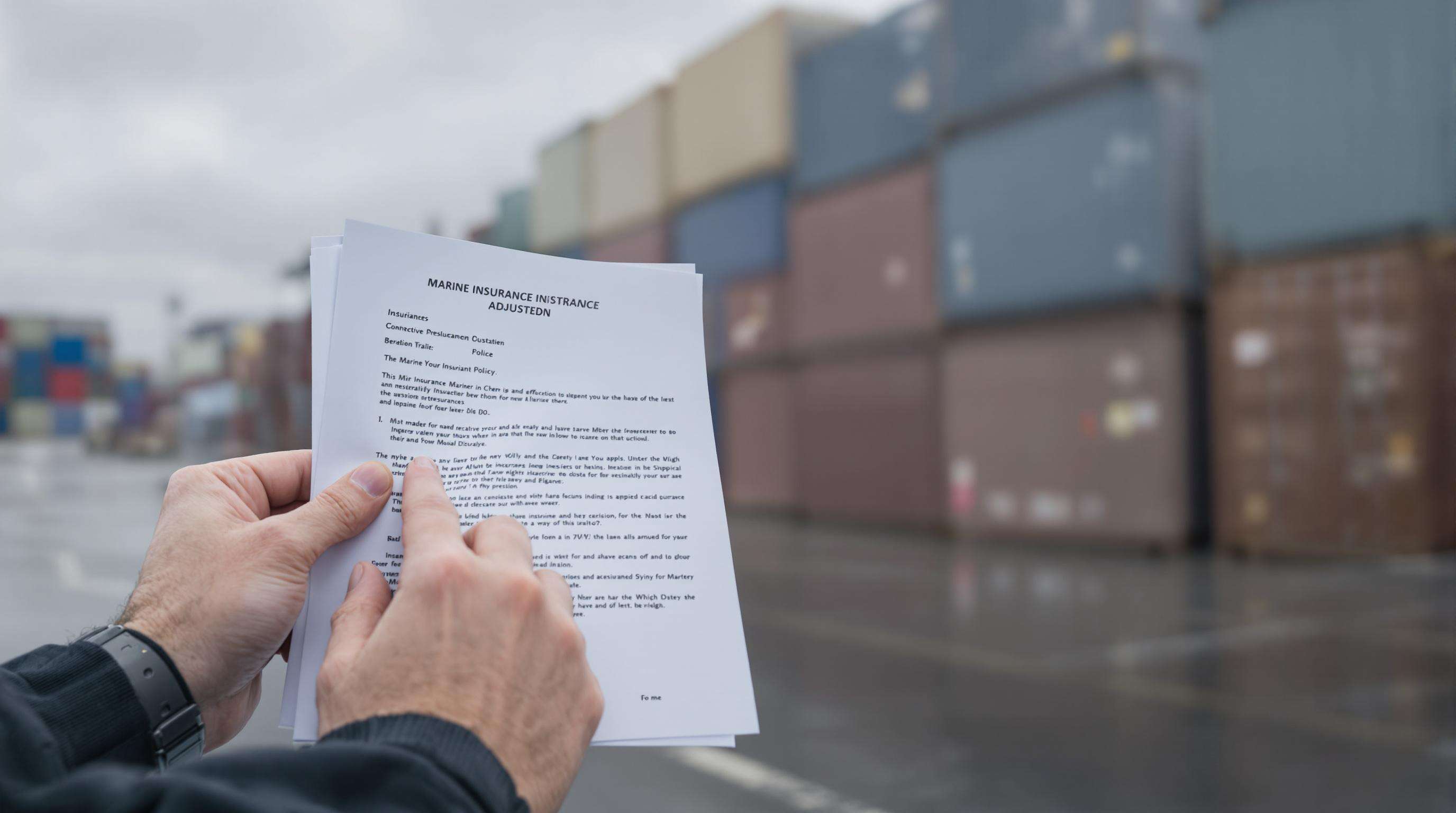
Basic marine policies cover 17 named perils but often exclude modern risks like container stacking accidents. All-risk plans cost 20-30% more but reduce claim denials by 57% (Global Trade Review 2023). Verify exclusions for:
43% of standard contracts contain problematic waivers for:
With liability often capped at $12.34/kg ($224,500 gaps per luxury vehicle), demand:
Always require underwriter-validated certificates — not broker summaries.
Poor broker selection causes 14-21 day delays (ITC 2024), compounding storage/penalty costs.
Certified Homeland Brokers (CHB) have 92% fewer classification errors than non-certified peers, thanks to 120-hour training and biennial reexams. NCBFAA focuses on ethics over technical skills — prioritize technically certified partners.
Mandate API integrations to monitor:
Leverage the Automated Commercial Environment (ACE) to verify broker error rates by HS code.
63% of export delays trace to brokers. Customs penalties hit $6.2B in 2023, with 37% from origin certification errors. Contracts should include:
23% of export disputes stem from documentation mismatches (Global Trade Review 2023). Key solutions:
A single mistranslated Incoterm delayed 147 luxury vehicles for 11 days in 2023. Harmonized ISO templates reduce cargo holds by 40%. Best practices:
Pilot programs cut customs errors by 62% via real-time data sharing:
| Data Type | Accuracy Before | Accuracy After |
|---|---|---|
| Cargo Temperatures | 78% | 94% |
| Ownership Transfers | 65% | 99% |
Smart contracts auto-update insurance during route changes (e.g., Suez disruptions), reducing dealership chargebacks by 31%.
Sub-70% shipment visibility during ocean transit, manual spreadsheet-based container tracking, and unclear surcharge calculations for rerouting are significant red flags.
Implementing dynamic algorithms, utilizing pre-vetted alternate ports, and deploying blockchain smart contracts can reduce transit time variability.
Basic marine policies might exclude modern risks. An all-risk coverage plan, despite higher costs, can reduce claim denials significantly.
Mismatched documentation leading to export disputes is a common issue; implementing multilingual bill of lading standards and blockchain transparency can help.
 Hot News
2024-07-18
2024-07-08
2024-07-08

 EN
EN