Global rental fleet market is estimated to grow at a CAGR of over 6.8% during 2021-2030, growth in tourism and urbanization are expected to further boost the growth of the market. That will suit emerging markets, which account for 42% of new car sales and have robust consumer demand, particularly in cities with populations of five million or more: ripe spots for ride-hailing and corporate travel services. According to industry analysis the U.S. market is likely to reach $56.27 billion in 2030, registering a relatively higher 7.5% CAGR.
Compact cars (especially hatchbacks) are a key part of the fleet-based strategies that have emerged in developing countries, as they demand 23% less in maintenance costs and 18% less in fuel than the average mid-sized sedan. For models dedicated to ride-sharing specifications in various markets such as ASEAN and Africa, 35% of production capacity has now been set aside. This is consistent with urban rental needs, but with low operating costs, the direct opposite is the case.
The post-Covid tourism recovery in Southeast Asia pushed up short-term rental demand by 127% since 2022. For coastal routes, the fleet should keep 40% SUVs (family travelers) and digital platforms (with 81% of reservations) allows dynamic pricing to increase off-peak by 29%. Government-supported EV infrastructure investments are also accelerating, with the number of charging stations near tourists hot spots increasing 140% from 2023.
The Gulf Cooperation Council (GCC) features some of the world’s fastest vehicle turnover rates due to expatriate mobility and luxury-driven consumer behavior. This creates procurement advantages for buyers seeking low-mileage, well-maintained inventory with strong resale value.
Dubai’s transient workforce leads to an average 18-month ownership period for entry-level sedans and crossovers. Fleet operators capitalize on March and September inventory surges, acquiring late-model vehicles (2021–2023) with under 40,000 km. These cycles coincide with insurance renewals and warranty expirations, ensuring reliable supply.
Africa’s average 12% passenger vehicle duties require strategic tariff mitigation. Buyers can reduce landed costs by 18–22% through trade agreements like ECOWAS (5% in Morocco) or COMESA (7.5% in Djibouti). Strict pre-shipment HS code compliance is crucial—Kenya rejected 23% of 2023 automotive imports over classification errors.
Jeddah Islamic Port’s role as a MENA auto hub with 72-hour customs clearance is key as Saudi Arabia’s National Industrial Development and Logistics Programme brings increased value to the Kingdom’s auto market. In 2024 a pilot project reduced the shipping cost to Sudan by 34% by switching from Oman’s RO-RO to containerized transshipment, according to a report. The project will help in achieving Vision 2030’s target of processing 1.2m re-export vehicles per year.
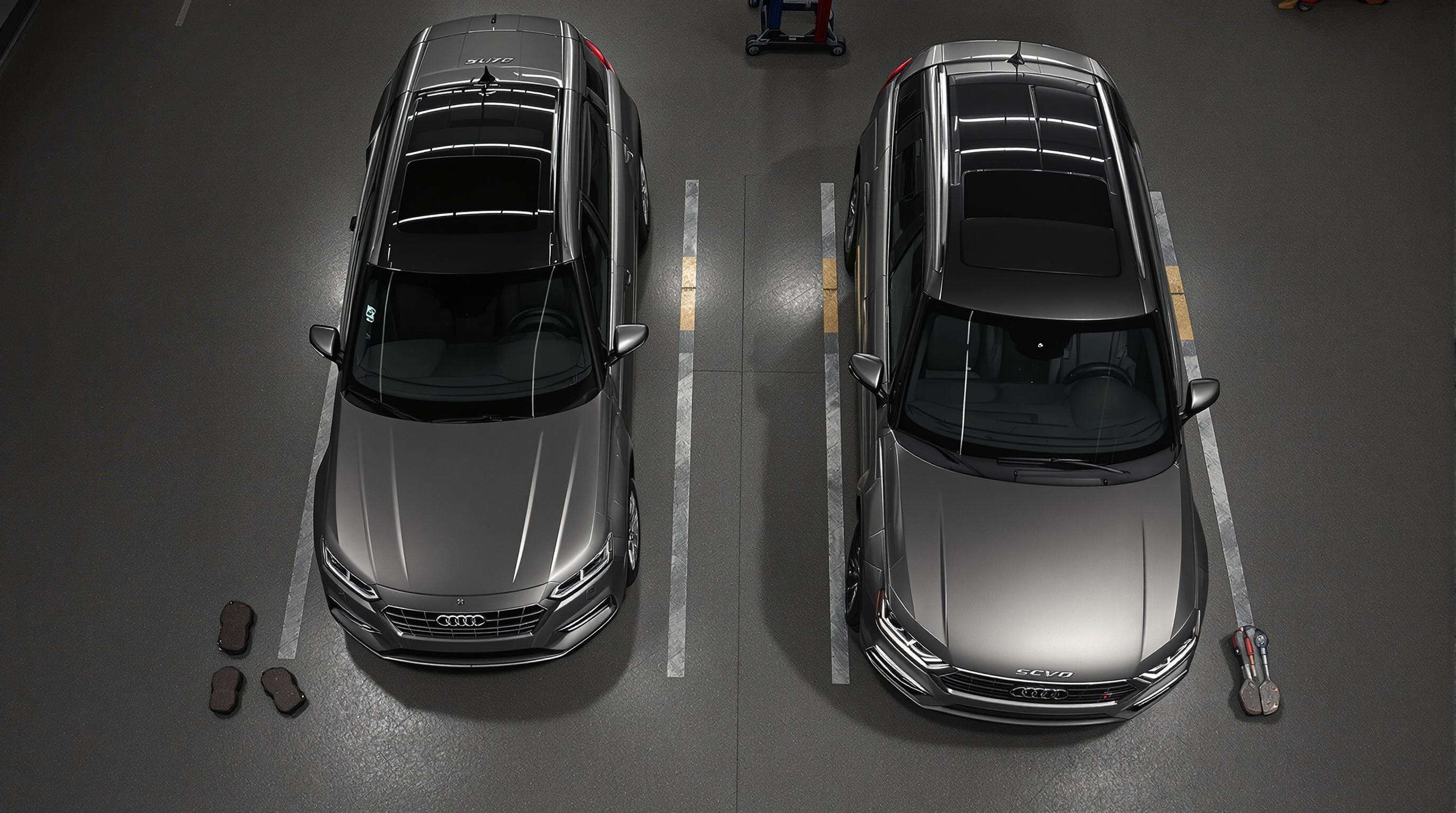
Over 36 months, maintenance costs remain 28 per cent lower on sedans than on SUVs, especially including a longer lifespan for brake systems (mean replacement intervals of 62,000 km vs. 48,000 km) and in tire wear. In urban rental conditions, SUVs show 19% higher service cost for suspension system and larger discrepancy of fuel consumption in stop-and-go traffic (14.2 km/L for 1.6L sedans vs. 9.8 km/L for 2.0L crossovers).
The Hyundai Accent offers 15% lower scheduled maintenance costs over 100,000 km, while the Toyota Vios retains an 8% resale advantage at three years. Key differences include:
Fleet vehicles retired at 80,000 km command 23% higher resale premiums than those at 120,000 km. This threshold aligns with powertrain warranties in emerging markets, leasing-friendly financing, and OEM certified pre-owned eligibility. Beyond 100,000 km, values drop sharply (9.7% per additional 10,000 km) due to looming major service requirements.
Nigeria’s ride-hailing sector expanded by 214% between 2020 and 2023, fueled by urbanization and mobile payment adoption. Lagos and Abuja alone drive an 18% annual rise in commuter demand, creating a $290M secondary market for lightly used sedans under five years old.
Kenyan operators prioritize models achieving 4.5L/100km, critical for the high-mileage Nairobi-Mombasa corridor (480km roundtrip). Hybrids like the Suzuki Swift Hybrid now account for 63% of new fleet acquisitions, cutting operational costs by 22% versus petrol-only vehicles.
Despite 12% annual growth, Africa’s ride-sharing drivers face financial constraints—78% earn under $400/month. Informal leasing with 18–24% interest rates forces operators into extended 72-month vehicle cycles, three times longer than European standards. This mismatch between demand and affordability remains a critical bottleneck.
Roll-on/Roll-off (RO-RO) remains the most cost-effective bulk transport method, averaging $800–$1,200 per vehicle. Rates fluctuate seasonally by 12–18%, making 60-day pre-booking essential. Maritime insurance typically adds 1.2–1.8% to shipment value.
A 40-foot high-cube container fits two sedans or one SUV using specialized racks. Key considerations include:
In-country logistics partners streamline clearance by:
The growth is driven by increasing tourism, urbanization, and robust consumer demand, particularly in emerging markets.
Compact cars, especially hatchbacks, demand lower maintenance and fuel costs, making them cost-effective options in fleet strategies.
Post-Covid tourism recovery has increased demand, with digital platforms allowing dynamic pricing, and government investments in EV infrastructure further boosting market growth.
This cycle, driven by Dubai's transient workforce, allows fleet operators to capitalize on inventory surges to acquire vehicles with reliable supply coinciding with insurance and warranty cycles.
Operators use strategic tariff mitigation, including trade agreements like ECOWAS and COMESA, and ensure strict pre-shipment HS code compliance.
 Hot News
2024-07-18
2024-07-08
2024-07-08

 EN
EN