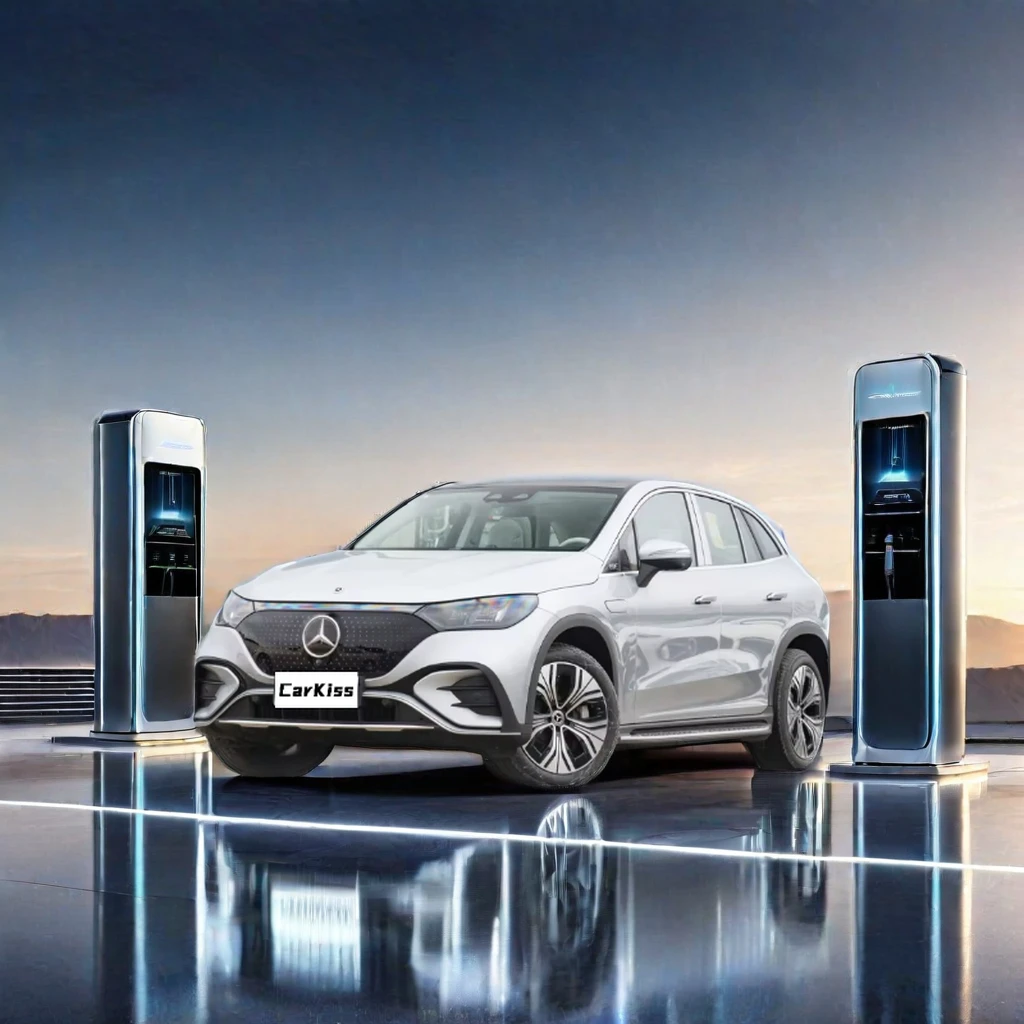
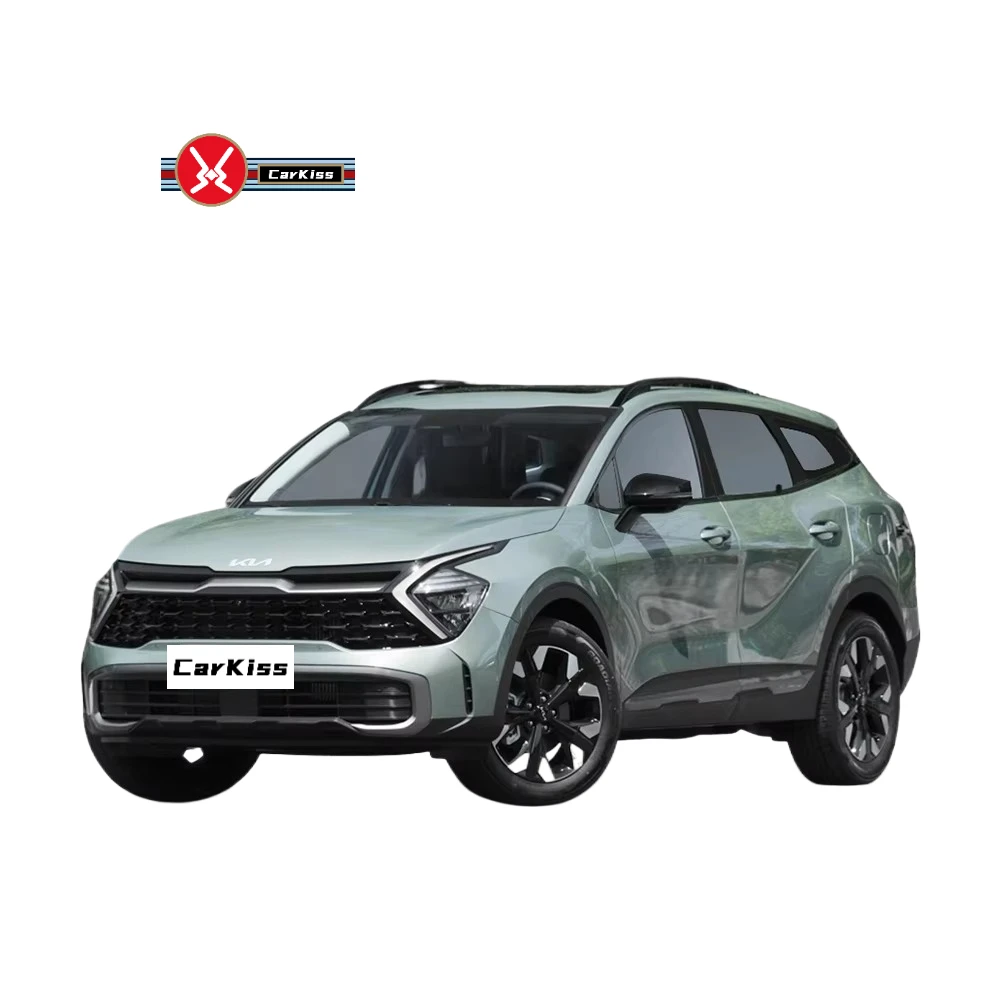
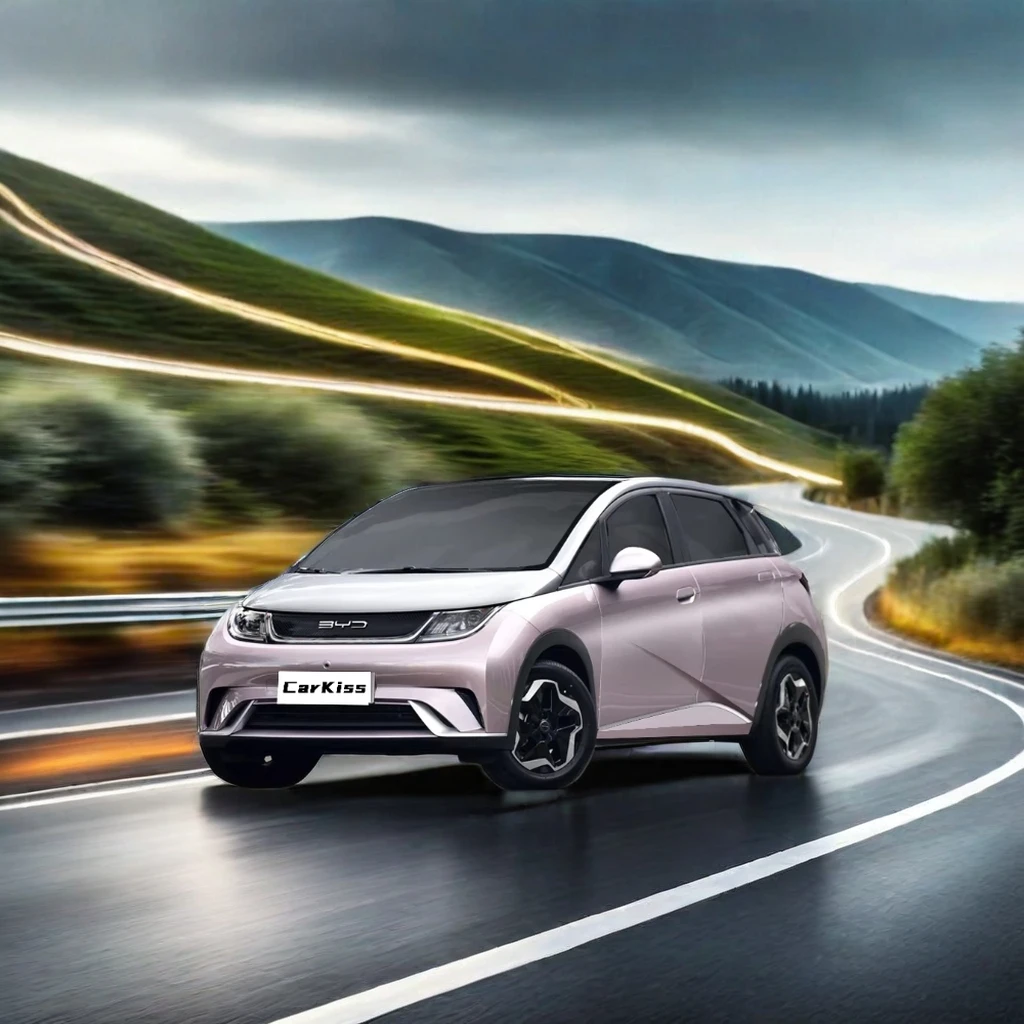
Meeting emission rules matters a lot for car makers who want to sell their products overseas. The Euro VI standard applies across Europe while the EPA sets requirements in America. Euro VI puts strict caps on things like nitrogen oxides (NOx) and particles from exhausts, plus it tests cars under actual driving conditions. Meanwhile, the American EPA looks mainly at carbon emissions and how efficient vehicles are with fuel consumption. Getting compliant isn't optional because companies face serious consequences otherwise. If they don't follow Euro VI guidelines, they could be hit with fines reaching 30k euros per vehicle. Non compliance with US regulations means even bigger trouble, potentially costing over 37 thousand dollars per car that fails inspection. These financial risks highlight why following environmental standards makes business sense. When manufacturers do comply though, they gain entry into valuable international markets which helps them compete better against rivals worldwide despite all the extra work involved.
Getting proper safety certifications matters a lot for big car makers like Toyota and Ford if they want to get into markets and keep customers coming back. The whole process is overseen by groups such as NHTSA here in America and Euro NCAP across Europe, making sure cars actually pass those tough safety tests before hitting showrooms. When companies skip out on following these rules, things go south fast. Take Toyota for instance who had to deal with massive recalls back in 2020 that ended up costing them about $1.2 billion because of safety problems. Ford wasn't far behind either, shelling out well over a billion dollars in fines after running afoul of similar regulations. Sticking to all these strict safety requirements helps manufacturers dodge huge costs while building up a solid reputation as reliable brands that care about people's safety. That kind of track record really makes a difference when it comes to staying competitive in today's market and keeping consumers confident in their purchases.
Clear vehicle titles matter a lot when exporting cars overseas. When there are no liens on the title, it proves that the seller actually owns what they're trying to sell, something that matters big time in international sales. Skip this part and things get stuck fast. Around one third of all car exports hit roadblocks because of problems with titles according to industry reports from last year. Smart sellers know to collect everything upfront: actual title papers, those lien release forms from banks or finance companies, plus whatever documentation shows who really owns the vehicle. Having these papers ready makes everyone happy - customs officials check them off their list faster, buyers feel confident about their purchase, and nobody wastes time chasing down missing paperwork later on.
Getting customs paperwork right, especially when using the Automated Export System (AES) along with that Internal Transaction Number (ITN), matters a lot for anyone involved in exporting goods. The system basically makes sure companies follow all those complicated export rules while also helping track what's happening in international trade. When folks mess up their customs filings, they often end up paying fines or facing holdups at ports. Industry insiders say around one out of five export shipments runs into problems because of poor documentation. Completing an AES filing requires entering lots of specific details about each shipment including things like the Export Control Classification Number (ECCN) codes and Schedule B numbers, plus providing copies of commercial invoices and packing lists. While this might seem tedious, going through the motions properly actually reduces legal headaches down the road and ensures everything stays on the right side of government regulations.
Getting vehicles properly classified as new or used makes a big difference when it comes to export duties and taxes. When someone gets this wrong, they often end up paying a lot more money, sometimes facing hefty fines or unexpected tax bills. Take a look at what happens in practice – mistakes here can actually cost around 30% of what the car is worth because of different duty rates. There are plenty of ways manufacturers can avoid these problems though. Checking vehicle history reports works pretty well, and talking to experienced importers who know the ropes helps too. Most importantly, knowing whether something counts as brand new or second hand isn't always so simple, but getting it right saves everyone headaches down the road.
Getting VIN numbers right matters a lot when shipping vehicles overseas. When VIN docs go wrong, it doesn't just cause headaches it costs money too. Some businesses actually got hit with fines running into the thousands because their VIN records were off track. Take one case where a company lost big bucks after delivering cars with mismatched identification numbers. To avoid this kind of trouble, smart exporters follow certain steps. They check and recheck paperwork before sending anything out. Many also invest in special software that scans VINs automatically. Plus, everyone from warehouse staff to customs brokers needs to understand why correct VIN info really counts. These precautions help keep things running smoothly and stay on the right side of regulations during international shipments.
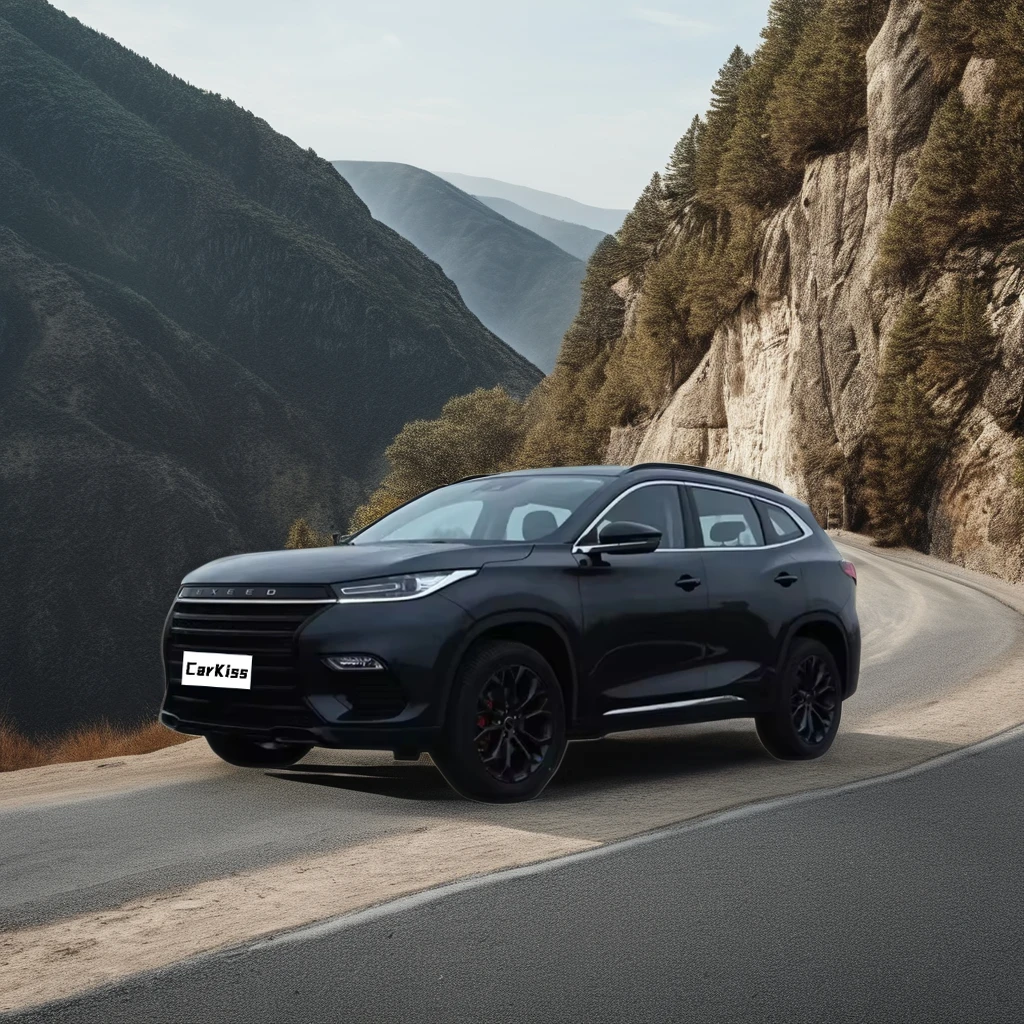
What makes the Cherry Car Exeed TX really catch eyes on dealership lots is its clean Euro VI certification along with that punchy turbo power under the hood. These Euro VI rules? They're basically the toughest pollution controls around for cars these days. So when drivers see this badge on the Exeed TX, they know it spits out way less harmful stuff than most rivals. And let's talk about that engine for a second. The turbo setup gives the car serious get up and go without guzzling gas like some others in its class. That's why we're seeing more of these models popping up across different countries lately. Plus there's all those nice touches inside too. The adaptive cruise control system works pretty smoothly during long drives, and who doesn't love staring through that big glass roof while listening to their favorite tunes?
When it comes to how well it performs on the road, the Exeed TX has quite the punch under the hood. Its engine can crank out anywhere from 150 to maybe even 200 horsepower, along with torque figures ranging around 200 to 300 Newton meters. That kind of power really gives drivers something exciting when they hit the open road. The car has gone through all sorts of tests and gotten approval from different regulatory groups, which means it's ready to roll into foreign markets. These official stamps of approval do more than just check boxes on paperwork they actually matter because they show that the Exeed TX meets those tough international requirements. For people shopping in other countries, this adds real value and trust factor, making the car much more attractive for sale outside its home market.
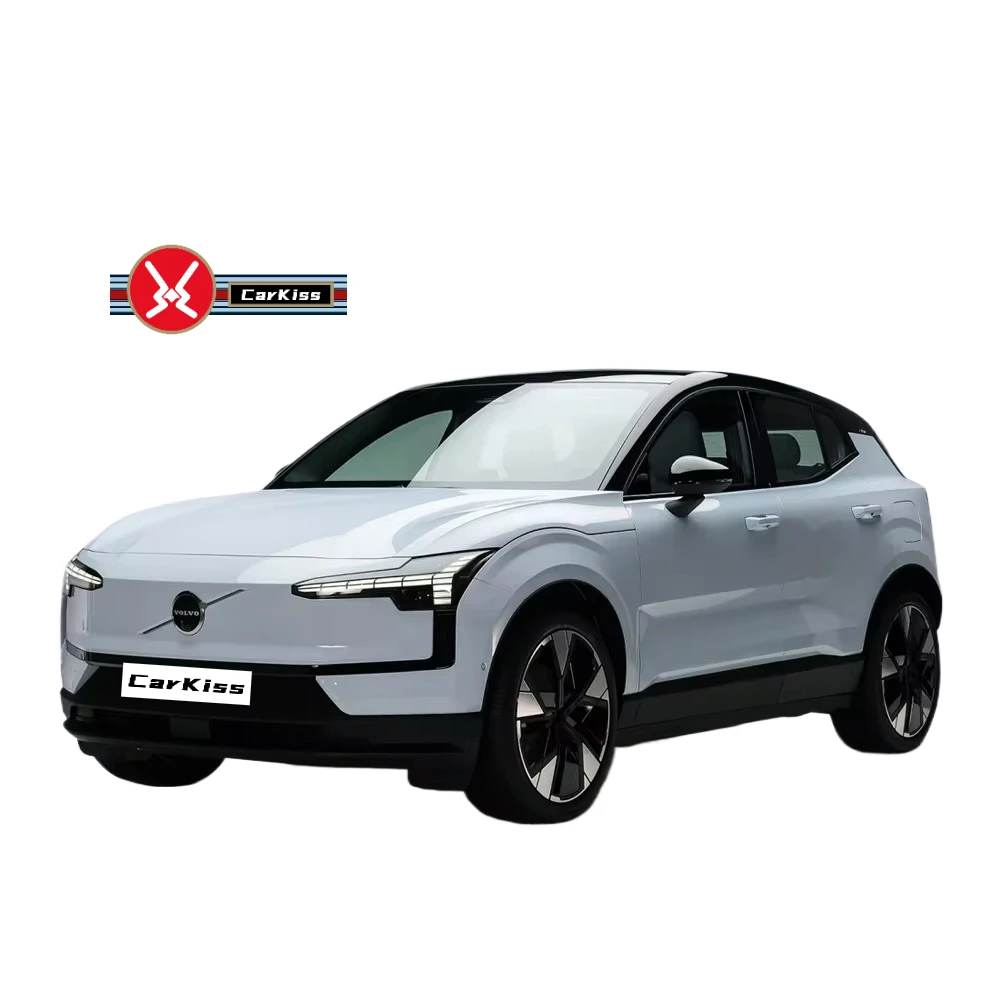
Volvo's new EX30 electric SUV really stands out in today's market because it was built with global customers in mind from the start. What makes this car so appealing worldwide? Take a look at its specs - the battery lasts way longer than most competitors, giving drivers plenty of miles between charges. That kind of range matters when people want to drive electric but still need reliability. The EX30 meets all sorts of electric vehicle requirements throughout different countries too. For folks who care about going green without sacrificing quality, this model checks all the boxes. Many environmentally conscious buyers are gravitating toward vehicles like the EX30 simply because they know it works well everywhere while reducing their carbon footprint significantly.
Volvo keeps proving itself when it comes to safety and making customers happy, which shows in their sales numbers around the world. Electric car fans know they can trust the brand for good reason. Take the new EX30 model for instance it meets all those tough safety requirements and cuts emissions way down, right in line with how the whole world is moving toward greener transportation options these days. What makes this car ready for international markets? Well, Volvo has decades of experience building cars that last and perform well no matter where they end up. Their factories have perfected the process over time, so when the EX30 rolls off the assembly line, it's built to handle whatever conditions lie ahead from icy Scandinavian roads to hot desert climates.
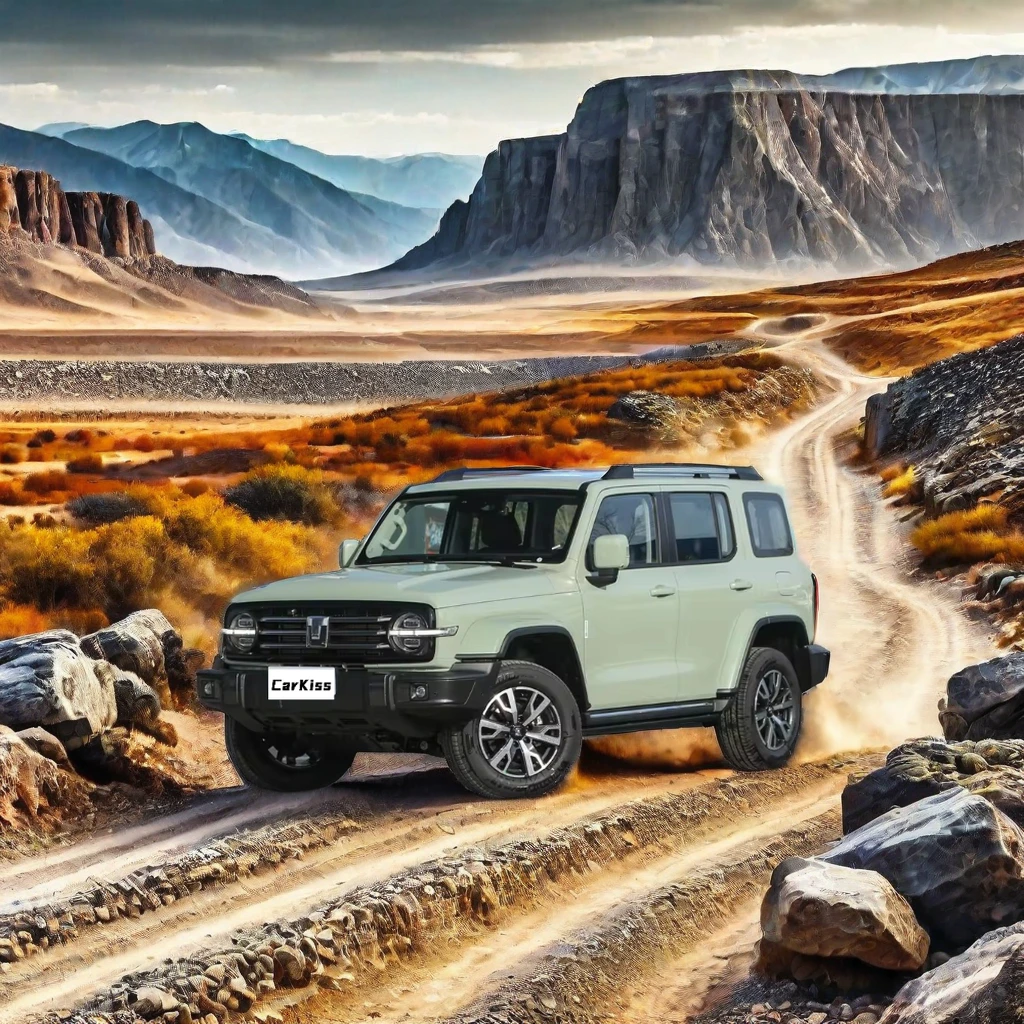
The Great Wall Tank 300 stands out as a capable gas-powered SUV that works well for people who love hitting trails but still need something practical for daily driving around town. What really makes this vehicle tick is its 2.0T turbocharged engine, packing enough punch to handle most terrain while keeping up with regular road conditions too. Car shoppers looking at SUV options should definitely consider this model since it holds its own against competitors. Inside, there's a decent array of comforts including a sunroof and multifunction steering wheel that adds to overall driving pleasure without feeling overly fancy or complicated.
The SUV ticks off quite a few international certification boxes, covering everything from safety ratings to emission controls, which definitely boosts its chances in foreign markets. When manufacturers get these green lights from global authorities, potential customers overseas tend to feel better about what they're buying, knowing the vehicle stacks up against serious industry standards. Most people who've tested drive this model seem pretty happy with how it holds up over time and performs under different conditions. Auto journalists have written some solid reviews too, pointing out features that make sense for drivers across borders. All things considered, this looks like a smart pick for companies wanting to expand their reach beyond domestic shores.
Getting around the North American dealer network isn't just important but absolutely vital for exporters wanting to make their mark in the market. These networks tend to have multiple layers, with dealerships organized in hierarchies that serve various customer groups. To really connect with them, companies need to figure out who sits where in these complex systems and find those influential individuals at each level. Startups especially struggle with establishing trust from scratch while also showing why they're better than existing options. Some numbers back this up too – dealers perform about 20 percent better overall when business relationships get properly maintained over time. Looking at successful stories, many companies create strong bonds through strategic partnerships and take the time to engage people personally rather than using generic approaches. For anyone entering this space, adapting strategies to local conditions builds credibility much faster than trying to force standard solutions everywhere. Working closely with established players like Toyota dealerships can provide valuable lessons and open doors that would otherwise remain closed.
Getting familiar with how Europe tests emissions matters a lot for companies wanting to sell their products there. The rules vary quite a bit between different regions, so being able to adjust what they do is really important for getting things right. When businesses don't follow these regulations properly, it often causes problems later on. Some studies show that not meeting the standards can cause delays of around 30% or more during product approval processes. Each country has its own set of rules too. Take the United Kingdom where regulations are pretty tough compared to Germany which sets certain benchmarks that many others follow. To handle all this complexity, smart exporters invest money into good testing equipment upfront rather than trying to fix issues after the fact. Talking directly with experts who know local requirements also helps avoid costly mistakes down the road. Looking at real world examples such as what happens at Volkswagen dealerships across various European countries gives valuable insight into exactly what kind of documentation and procedures need to be in place before shipping goods overseas.
 Hot News
2024-07-18
2024-07-08
2024-07-08

 EN
EN