Electric vehicles are set for massive growth across the globe, with experts predicting the market will hit over $800 billion by 2030. That number isn't just impressive on paper either it would mean EVs account for around a quarter of all new cars sold worldwide. Why such a dramatic rise? Governments around the world have been pushing hard for cleaner transportation options through tax incentives and emissions regulations, while consumers themselves are increasingly looking for greener alternatives. According to reports from the IEA, we might see as many as 145 million electric cars rolling off dealer lots each year by the end of the decade. This represents nothing short of a revolution in how people get around. Car companies big names like Tesla, Toyota, and even traditional automakers are investing heavily in expanding their EV manufacturing capabilities. As they scale up production, these firms are creating fresh opportunities to export their products to markets hungry for sustainable transportation solutions.
The surge in demand for electric cars has pushed major car companies to broaden their range of EV models significantly. As transportation rules change across different regions, how automakers ship their vehicles internationally is changing too. Getting export right matters a lot now if companies want to stay competitive in fast-growing markets while making the most out of all this industry movement. Many governments worldwide are tightening environmental laws, so car makers need to tweak what they offer based on where they sell. For instance, some European markets require certain battery standards that differ from Asian requirements. Meeting these diverse demands means producing EVs that satisfy both official regulations and what actual customers want when looking for greener options.
Improvements in battery tech play a big role in cutting down costs while boosting both energy density and how fast we can charge our cars, factors that really matter when it comes to getting more electric vehicles out there around the world. Take Tesla for instance, along with Chinese manufacturer CATL, who are working hard on creating solid state batteries. These new batteries could give EVs much longer driving range between charges, something that makes them look better to buyers everywhere from Europe to Asia. The progress being made means automakers now have access to solutions that work better and cost less money too. This helps car companies sell more vehicles across different countries without worrying so much about what happens when someone tries to drive an EV halfway around the globe before needing another charge.
Battery recycling efficiency is becoming increasingly important for the global movement of electric vehicle (EV) batteries across borders. Better recycling practices help cut down on environmental damage and fit right into the sustainability targets set by numerous nations around the world. When manufacturers follow strict environmental rules and implement new ways to recycle materials, they open up new markets overseas. Many companies are seeing real business opportunities here as demand grows for vehicles that leave a smaller carbon footprint. The result? More EVs being shipped internationally without sacrificing our planet's health in the process.
The automotive industry is seeing big changes in how exports get documented thanks to blockchain tech. What makes this so valuable? Well, it brings much needed transparency while keeping everything secure from tampering. Fraud becomes far less likely when every step gets recorded permanently somewhere nobody can alter later. Big names such as IBM have been developing special blockchain systems for car manufacturers wanting better visibility across their entire vehicle supply chains. Being able to see where each part goes at all times creates real accountability throughout the whole export journey. And let's not forget about those clever smart contracts either. These little digital agreements handle tons of complicated paperwork automatically during international trades, which cuts down both time spent waiting around and money wasted on manual processing fees.
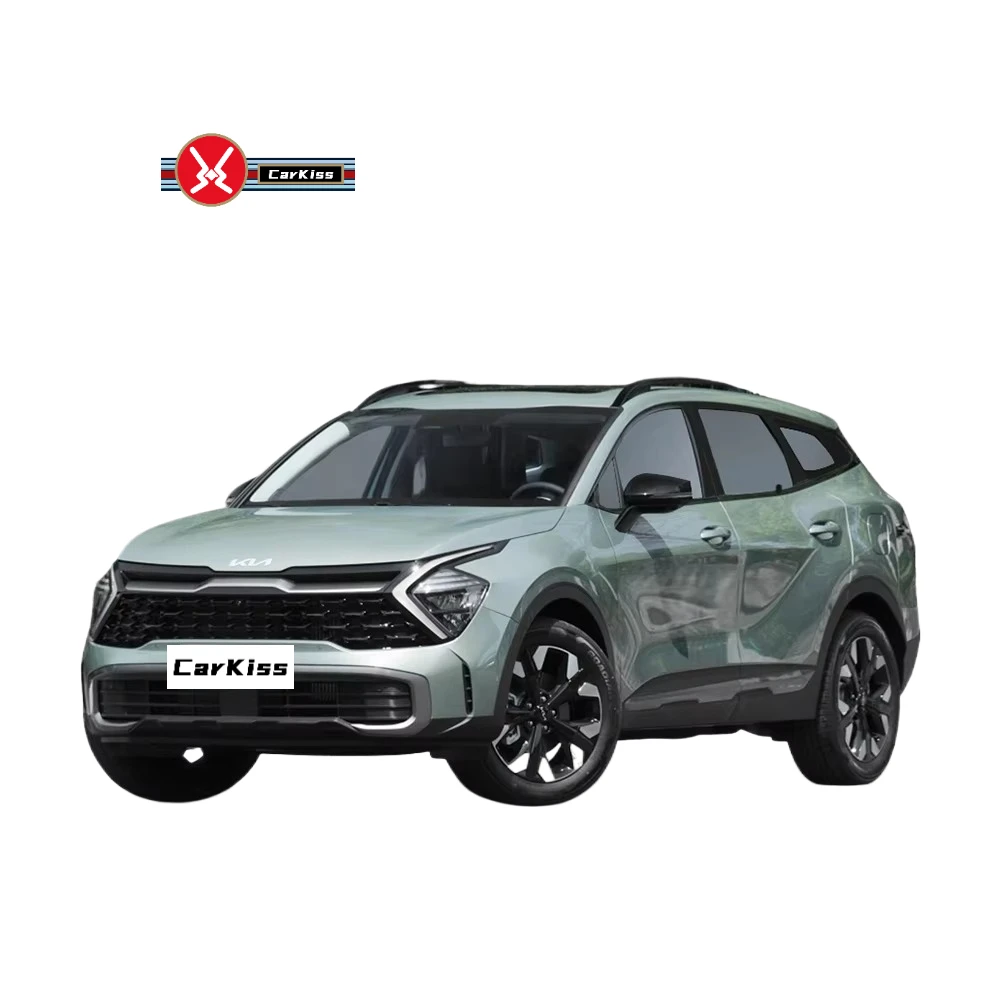
Artificial intelligence is changing how logistics work across the board, especially when it comes to predicting what customers will want next and figuring out the best routes for shipping cars around the world. Companies are starting to rely on these prediction tools so they know exactly how many cars to build based on what people actually need right now. This means fewer empty trucks sitting around waiting for cargo and faster deliveries getting to ports on time. We're seeing AI help set prices that change depending on current market conditions too. For instance, exporters can adjust costs instantly if fuel prices spike or demand drops suddenly somewhere else in Asia. These smart adjustments make sure vehicle shipments stay profitable even when global markets swing unpredictably back and forth. Look at how popular pre-owned Hondas have become in Southeast Asia recently alongside those secondhand Kias showing up in European auctions all the time.
China stands out as a major player in making electric cars around the world, producing about half again as much as all other countries combined. Beyond just supplying lots of vehicles, China is starting to shape what counts as standard practice globally. The government has poured money into improving how these cars get shipped overseas, working on things like better ports and faster customs processing. These improvements make it easier and cheaper to send EVs across borders, which gives Chinese manufacturers a real advantage over competitors elsewhere. As demand grows worldwide, this logistical head start could help maintain China's lead in the EV market for years to come.
Chinese car makers such as NIO and Xpeng are gaining ground in Europe and North America, changing how the global auto market looks. They're using smart tech and fresh marketing tactics to grab attention beyond their home country. Take NIO for example their battery swapping system has become something pretty special for people who care about the environment and government officials too. These kinds of innovations make Chinese companies harder to ignore while putting pressure on long standing competitors in the industry.
The Japanese auto industry is really leaning into its strength with hybrid tech to get a foothold in new global markets. With people all over the world wanting cars that save money at the pump and do less harm to the planet, old favorites like the Toyota Prius and Honda Insight still stand out as leaders in what's possible. Fuel economy remains king for many shoppers, while reliability keeps these vehicles on roads longer than most competitors. This matters a lot in places like Southeast Asia and parts of Africa where car ownership is growing fast but budgets stay tight. The combination of proven performance and lower running costs makes these hybrids particularly appealing to first-time buyers looking for value without sacrificing quality.
In several countries around the world, governments are starting to show preference for cars that run on hybrids or other green technologies, so Japanese automakers have had to rethink how they sell their cars abroad. Take places where there are strict rules about vehicle emissions for instance these areas generally give a warm reception to hybrid models since they fit better within local environmental laws. As a result, many Japanese car companies are adjusting what they offer in different markets, leaning heavily on their established hybrid tech to break into new territories. At the same time, this approach helps them cut down on overall carbon emissions across their operations globally.
The way China and Japan are moving in the car export business really shows what's happening with big players changing up world trade patterns. Both countries have been pushing hard into electric cars and hybrid models lately, which is putting them at the front of some pretty important industry changes. Take Toyota for example, they've long dominated hybrids while Chinese manufacturers are making serious waves with affordable EVs. With ports getting smarter about handling vehicle shipments and customers wanting different kinds of cars than before, it seems like we'll keep seeing more green tech and high tech features becoming standard across the board in coming years.
Car manufacturers are getting serious about greening their shipping operations as they try to cut down on environmental damage and meet worldwide sustainability targets. Big names in shipping are pouring money into eco-friendly tech solutions right now. We're seeing things like sails attached to cargo ships to harness wind power alongside biodiesel alternatives that slash carbon emissions during transport. These changes mark real progress toward cleaner shipping methods while showing car companies care about protecting our planet rather than just chasing profits in markets where consumers demand greener options. Rules from groups such as the International Maritime Organization have become essential guides for making sure auto shipments follow international environmental standards, helping keep everyone on track with global climate goals.
Many nations around the world have started putting rules in place regarding exports of remanufactured car components as part of broader green efforts. These rules make sure that all exported parts meet strict environmental requirements, helping build what we call a circular economy where resources get used again and again rather than being wasted. When old materials get recycled into new products, it pushes manufacturers toward greener practices without sacrificing quality standards that customers expect from their vehicles. For automotive firms looking to grow their presence abroad, understanding how these regulations work becomes absolutely essential. Following these guidelines isn't just about checking boxes for compliance anymore either. Companies that do follow them show they care about planet protection alongside profit margins, which actually makes sense business-wise since consumers increasingly prefer brands that take environmental issues seriously when making purchase decisions.
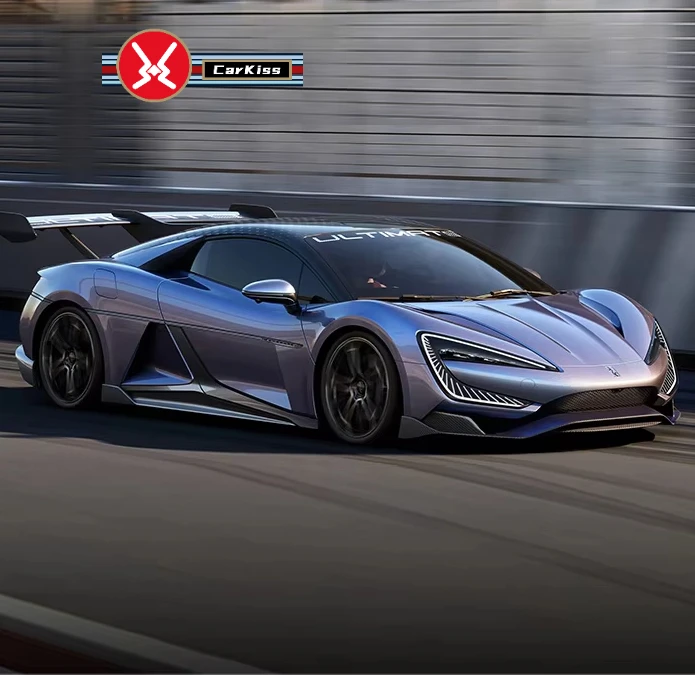
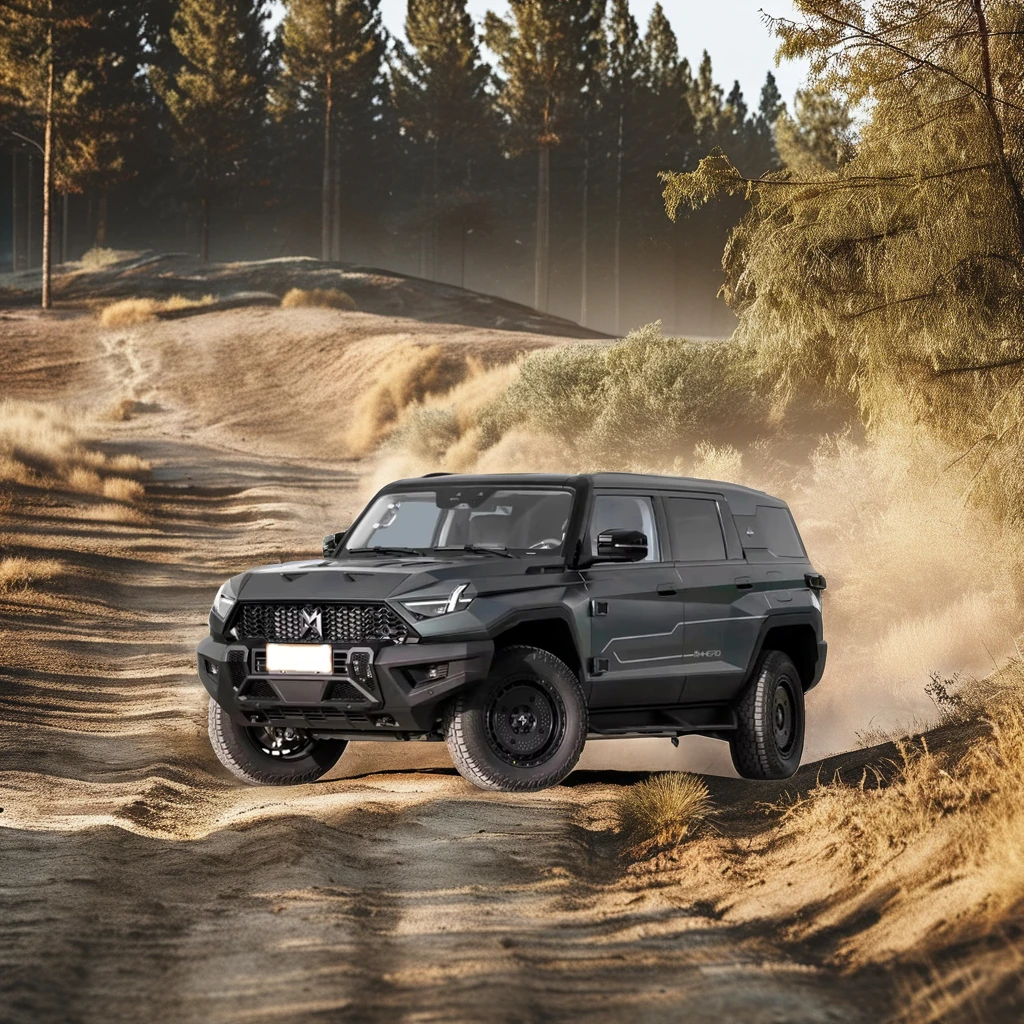
The Mengshi 917 Turbo is making waves in the world of electric supercars thanks to its impressive 816 horsepower engine that can give even the most expensive European models a run for their money. Designed with both speed enthusiasts and environmentally aware buyers in mind, this vehicle combines cutting edge aerodynamic features with super light weight components, which together create something truly special in the realm of green luxury cars. What makes this particularly interesting is that as the Mengshi starts shipping units overseas, it shows just how serious Chinese automakers have become about pushing boundaries when it comes to what electric performance vehicles can actually do. We're seeing Chinese made EVs take bigger chunks of international markets these days, proving that they don't just offer good value but also pack real punch while staying kinder to the planet.
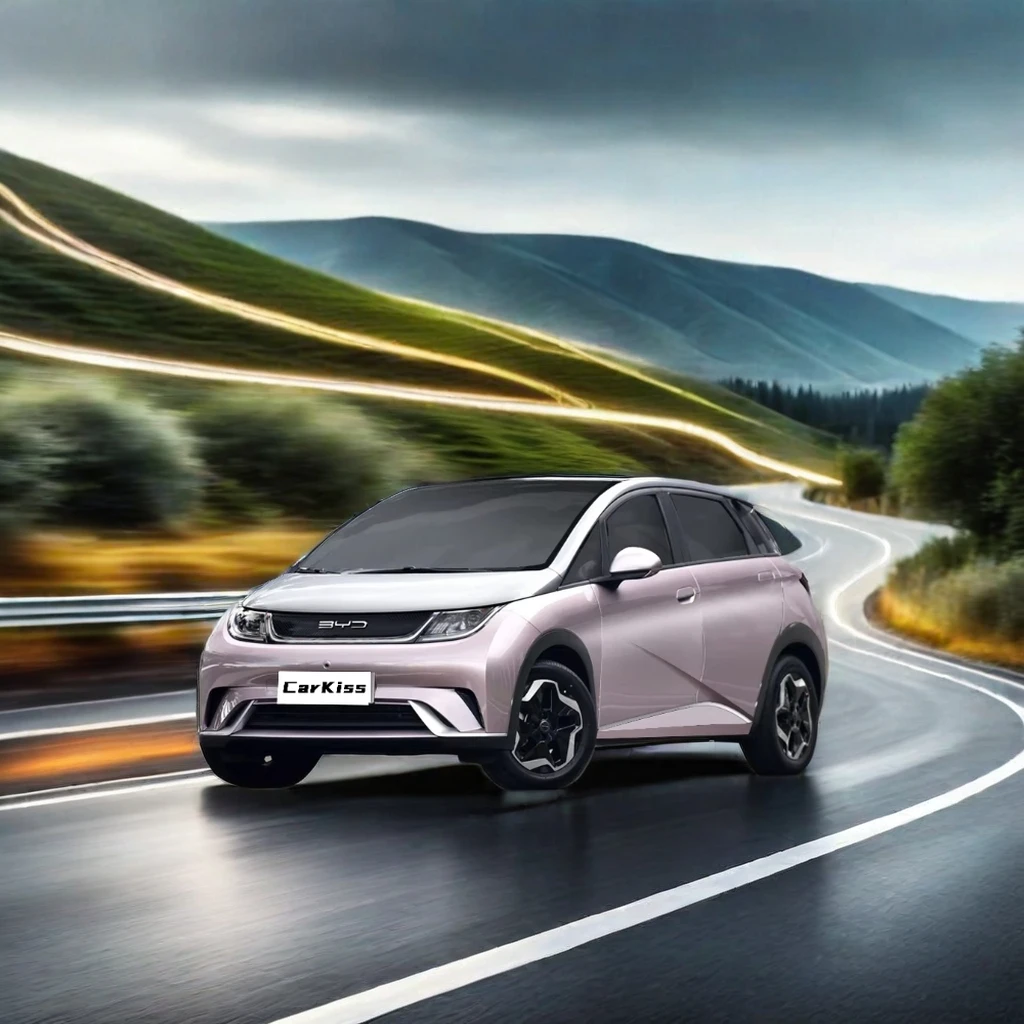
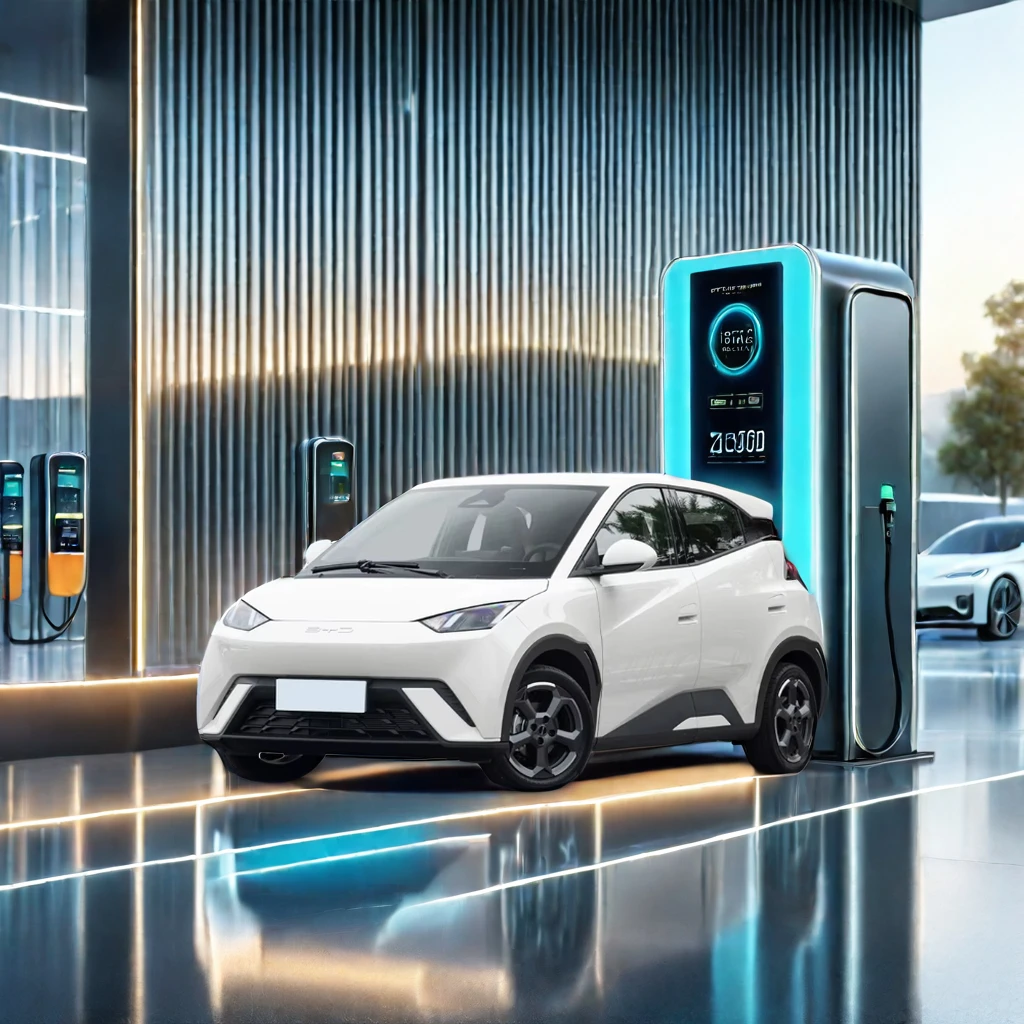
The 2024 Seagull from BYD marks the company's push into small electric cars designed for city living. Priced to compete with gas powered alternatives, this little EV promises decent range for daily commutes without breaking the bank. Cities around the world could see these popping up everywhere soon since they fit perfectly in tight parking spaces and handle traffic jams better than most larger vehicles. The marketing team at BYD clearly has its sights set on people who spend most of their time navigating crowded streets rather than highways. Looking at what other Chinese automakers are doing lately, it seems clear that manufacturers there are getting pretty good at making cars that solve real problems for everyday drivers while still keeping emissions down.
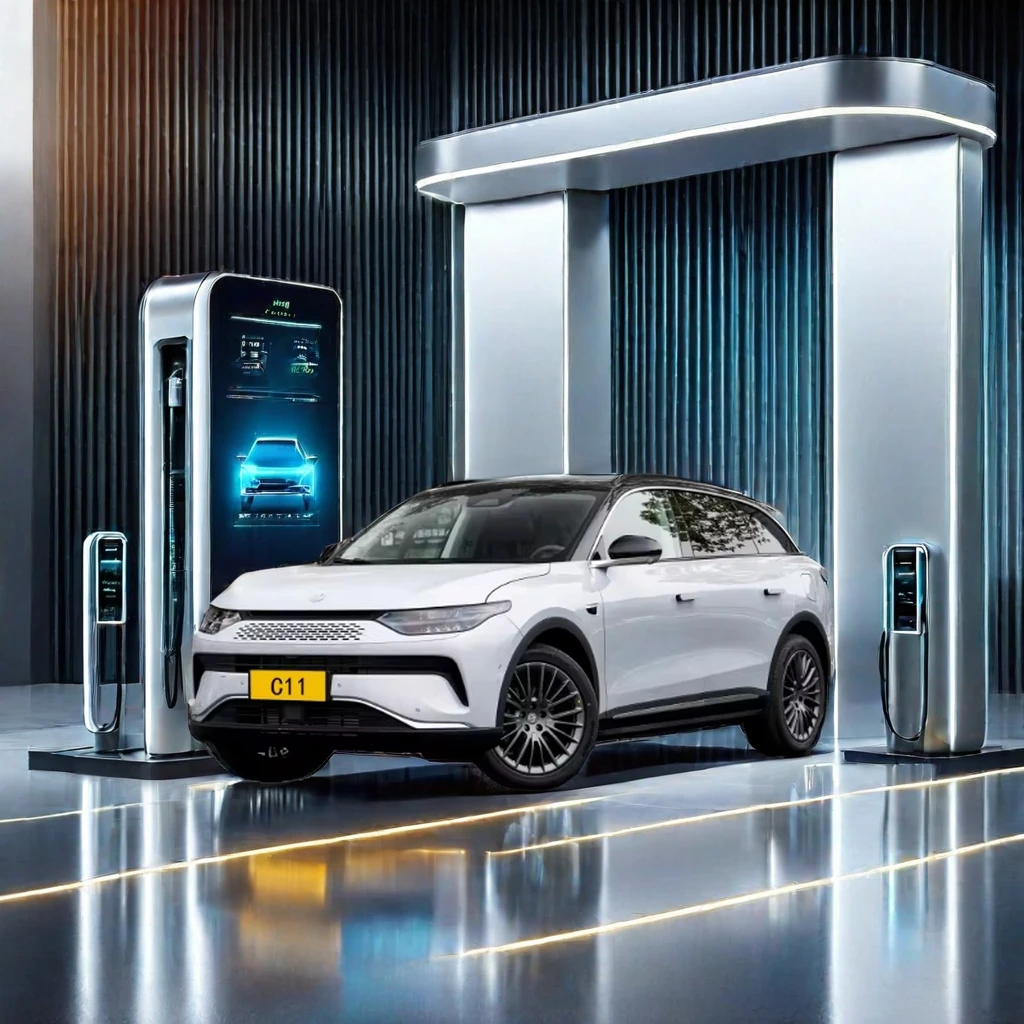
People are starting to take notice of the Leapmotor C11 Hybrid because it combines both electric and hybrid tech in one package, which appeals to drivers who want something flexible for different situations. This model sits right where the market is heading these days in the SUV segment. What makes it stand out? Longer driving range compared to pure EVs plus some pretty neat tech built in. Market reports from China and other countries show folks wanting this kind of vehicle more than ever before. That growing interest could really help Leapmotor grow their presence outside of China. If they keep making cars that actually solve real problems for everyday drivers, there's no doubt exports will go up substantially over time.
 Hot News
2024-07-18
2024-07-08
2024-07-08

 EN
EN