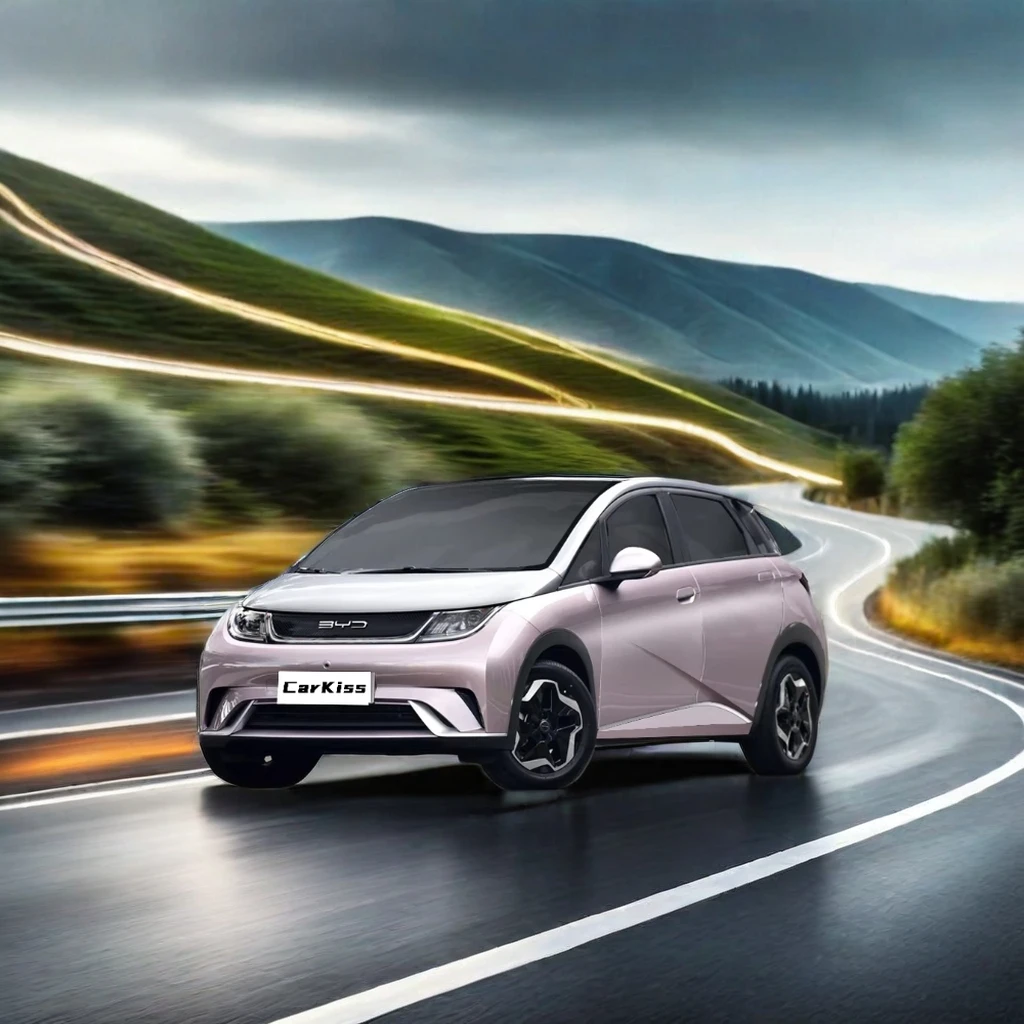
Used car demand is going up fast in emerging markets across Asia and Africa right now. People there have more money to spend lately, so they're looking at secondhand options instead of brand new models. According to the folks at OICA, we should expect used car sales to jump quite a bit in coming years. Part of this trend comes from governments offering sweeteners for buyers and changing rules that make getting a car easier on the wallet. The market keeps growing older, and lots of folks just can't afford shiny new wheels. So many turn to pre-owned cars as something that works well enough without breaking the bank.
When countries bring in secondhand cars, it actually helps their economies quite a bit because people don't have to spend as much as they would on brand new vehicles. Buyers save cash obviously, but there's another side effect too - more money comes into government coffers through taxes on those car sales. The World Bank has noticed something interesting here: nations where pre-owned cars are popular tend to weather economic storms better than others. Used car imports make getting around easier for folks who might otherwise struggle with transport costs. Local businesses benefit too since cheaper mobility options mean people can access more services and shops. Plus, this creates opportunities across different sectors of the economy beyond just selling cars themselves.
Used cars from Japan still sell really well around the world because they tend to last longer and are generally kept in good shape, which helps keep Japan's export business booming. At the same time, China is getting bigger in the used car export game thanks to all those new factories rolling out vehicles. According to numbers released by JAMA, Japanese used car exports went up 25% last year alone, and Chinese buyers were snapping them up at record rates. What this means for manufacturers is simple: if they want to keep selling overseas, quality control needs to stay top notch since people in other countries expect certain standards when buying secondhand Japanese models.
Cars getting older on roads around the world are really bad news for our planet because they just can't keep up with today's emission rules. These older models spew out way more harmful stuff into the air than newer ones do, which means cities where lots of old cars still run end up with terrible smog problems. Research has actually shown that cars sitting in garages across several developing nations are getting older each year, so the total amount of pollution keeps going up. Green organizations have been pushing governments hard to put tighter restrictions on how long old cars can stay on the road in these places. Fixing this problem matters a lot if we want to cut down on the damage caused by all those secondhand cars being shipped overseas from wealthier countries.
Cars that don't meet safety requirements pose serious dangers not just to their drivers but everyone else on the road too. According to data from the National Highway Traffic Safety Administration, there's been a noticeable increase lately in crashes linked to secondhand imports that simply weren't built to our safety specs. Safety experts have started pushing back against this trend, demanding better inspection processes at every stage before these cars ever leave foreign ports. What we really need is stronger enforcement of existing regulations so that when old vehicles cross international borders, they actually pass basic crash tests and brake checks first. Getting this right isn't just about paperwork either—it means saving lives across multiple countries where these cars end up driving our streets.
The used car export business faces major hurdles from currency swings and economic sanctions that just keep coming. When money values go up or down, it really messes with how much cars cost to sell abroad, so exporters struggle to set prices that work long term. Plus there are all sorts of trade restrictions getting in the way, which makes it tough to get vehicles into certain markets and throws off regular trade flows worldwide. According to numbers from the International Monetary Fund, these currency shifts actually change where and how much gets traded around the globe. That's why smart exporters need to stay on their toes when dealing with this complicated landscape. Fixing some of these roadblocks would definitely make things run better across borders and help grow the industry internationally over time.
The whole mess of emission standards around the world gives used car exporters quite a headache. Every nation has its own rules about what counts as clean enough, making exports tricky business. Take Japan for example cars that pass muster there often fall short when trying to get into European markets. Staying on top of these regulations isn't just about avoiding penalties either. Vehicles need to actually qualify for sale abroad otherwise they sit in ports collecting dust. Most exporters spend weeks digging through paperwork for each destination country. Getting this right matters a lot because it determines which cars make sense to send where,直接影响着出口成败 (directly affecting export success).
The popularity of hybrid and electric cars keeps growing, yet there are some pretty specific customs rules attached to them. Exporters really need to get familiar with these regulations if they want to break into the green car market that's expanding fast. Getting through customs with these vehicles means checking out what the authorities have to say about it all. Most countries have their own guidelines that businesses must follow when shipping across borders. Following these rules properly helps make sure shipments go smoothly without getting stuck at ports or facing costly fines down the road. Smart companies invest time upfront understanding local requirements rather than dealing with headaches later on.
Mexico plays a major role in the secondhand vehicle import sector, and recent changes to its import regulations have altered how pre-owned cars get handled across borders. What's happening there serves as an interesting example of how government policies can reshape entire industries overnight. Exporters face real headaches from these policy shifts, yet they also open doors to new business possibilities. Companies shipping vehicles into Mexico must constantly adjust their strategies if they want to stay competitive in this tricky market. Getting a handle on these policy developments helps businesses operate successfully in Mexico while also giving them clues about wider patterns shaping the international used car trade landscape.
Jeep's Wrangler 4XE has really caught attention lately because of how green it is while still handling rough terrain like no other. As a plug in hybrid, it meets what lots of people want these days - something that doesn't harm the planet but still packs serious power under the hood. Looking at numbers from last year, we see sales jumping up quite a bit in different parts of the world. This suggests folks who care about their carbon footprint are gravitating toward this particular model despite all the options out there on dealership lots.

People who care about their budget but still want something that looks good often pick the Changan CS35 Plus. As a small SUV, it fits right into what lots of folks are looking for these days – something practical yet affordable. The car has that modern look that works well in city traffic. We can see how popular it's becoming just by looking at import numbers around the world. More and more people in big cities seem to be choosing this model over others on the market.

The Haval H6 Sport brings together luxury features with solid performance, making it pretty popular across different countries these days. Its turbocharged engine works alongside an all wheel drive setup that appeals to drivers who want something powerful yet dependable on the road. Looking at recent sales numbers, there seems to be growing interest in cars with turbo engines worldwide, which fits right what the H6 Sport offers. This combination probably explains why dealerships continue to stock them despite competition from other brands trying to capture similar customer segments.

Electric vehicles are becoming increasingly popular across many developing countries, changing how people move around and making room for cleaner tech solutions. More folks want greener options these days, and experts think this trend will keep growing fast thanks to tax breaks and other policy support from governments. What's happening here goes beyond just cutting down emissions it's actually creating whole new industries in places where oil and gas used to be king. Industry watchers expect massive cash injections into charging stations and related infrastructure within ten years time frame, which marks something pretty big for car manufacturing worldwide. For countries trying to catch up with international standards while also cleaning up their act environmentally speaking, switching to EVs makes both business sense and ecological sense at the same time.
The United Nations Environment Programme, or UNEP as it's commonly known, has been working on several programs to keep quality standards up for secondhand cars being exported around the world. These efforts help make sure that businesses follow sustainable methods when dealing with old vehicles. When companies stick to UNEP's rules, their reputation gets better because they know environmental and safety requirements are actually being met. This leads to cleaner car fleets in places where these used vehicles end up. Research shows that following these standards makes a big difference in how well exporters do in the marketplace. Their products become more accepted and competitive against others. UNEP works alongside other organizations to create basic quality standards that everyone can agree on. This approach helps tackle problems caused by trading older cars, which supports more sustainable growth across different parts of the globe.
The latest tech developments in logistics are changing how used cars get shipped around the world, making transport safer and more efficient than ever before. Many companies now rely on automated systems to keep tabs on where vehicles are at all times, figure out the best routes for delivery trucks, and make sure everything follows government rules. What makes these new logistics tools so valuable is their ability to cut down on accidents and damaged goods while keeping vehicles secure during long journeys across borders. According to recent market reports, losses from damaged or missing cars during shipping have dropped by nearly 30% over the past five years thanks to better tracking systems and smarter warehouse management. Beyond just saving money, these improvements show serious dedication to running operations responsibly and getting the most out of complex global networks that move millions of pre-owned vehicles every year.
 Hot News
2024-07-18
2024-07-08
2024-07-08

 EN
EN