A lot of factors shape what happens in the global car business right now. Take China and India for example their growing middle class means people there want cars more than ever before, which naturally changes how manufacturers set up their supply lines across the world. Then there's all those trade deals and tariff battles between big players like America and China that basically determine who gets to sell what where at what price. What we're seeing on the consumer side too is pretty interesting lots of folks are ditching traditional gas guzzlers for electric vehicles these days. Environmental worries definitely play a part here, but so does the fact that newer cars just come packed with cool tech nobody wants to miss out on anymore. And let's not forget about self driving capabilities and all sorts of smart connected features that are becoming standard equipment these days. These technological upgrades aren't just nice to have they're actually changing how cars get traded around the globe as manufacturers race to stay ahead of the curve.
China has become a powerhouse in electric vehicles, both making and selling them around the world. The numbers tell the story pretty clearly too. Government support through subsidies and other measures has really pushed this industry forward over recent years. Companies like BYD and NIO aren't just big names domestically anymore either. These firms are exporting cars across continents now, with their battery tech and charging solutions getting attention everywhere from Europe to South America. What they do affects how the whole EV landscape develops globally. Still there are problems ahead though. International automakers are stepping up their game, while navigating different regulations in various markets remains tricky business. But even with all that, the Chinese EV market still looks poised to grow substantially in coming years as demand continues rising worldwide.
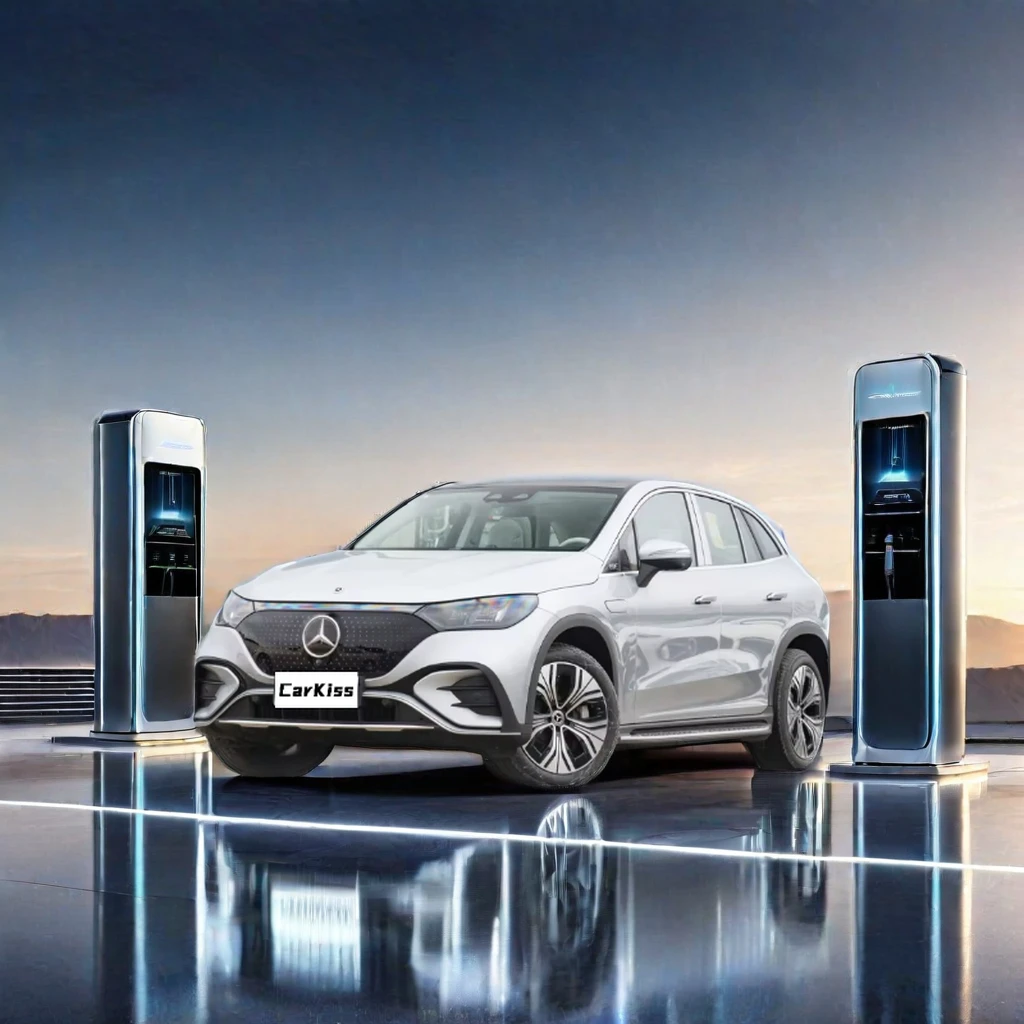
The new 2024 Mercedes-Benz EQE 500 SUV stands out as a top-tier electric luxury option with around 600 kilometers of range and some pretty impressive four-wheel drive technology. What really sets this model apart though is how it showcases Mercedes' ongoing push toward electric innovation while still delivering the kind of opulence that environmentally aware buyers want. When developing our approach to promote the EQE 500, we focused heavily on those cutting edge features that resonate particularly well across different regions. Sales numbers are telling us something interesting too. Look at Europe and North America specifically, where folks seem increasingly drawn to these kinds of premium electric vehicles. Market data from last quarter shows a noticeable uptick in people wanting to get their hands on one, with plenty of early reservations coming in even before official launch dates.
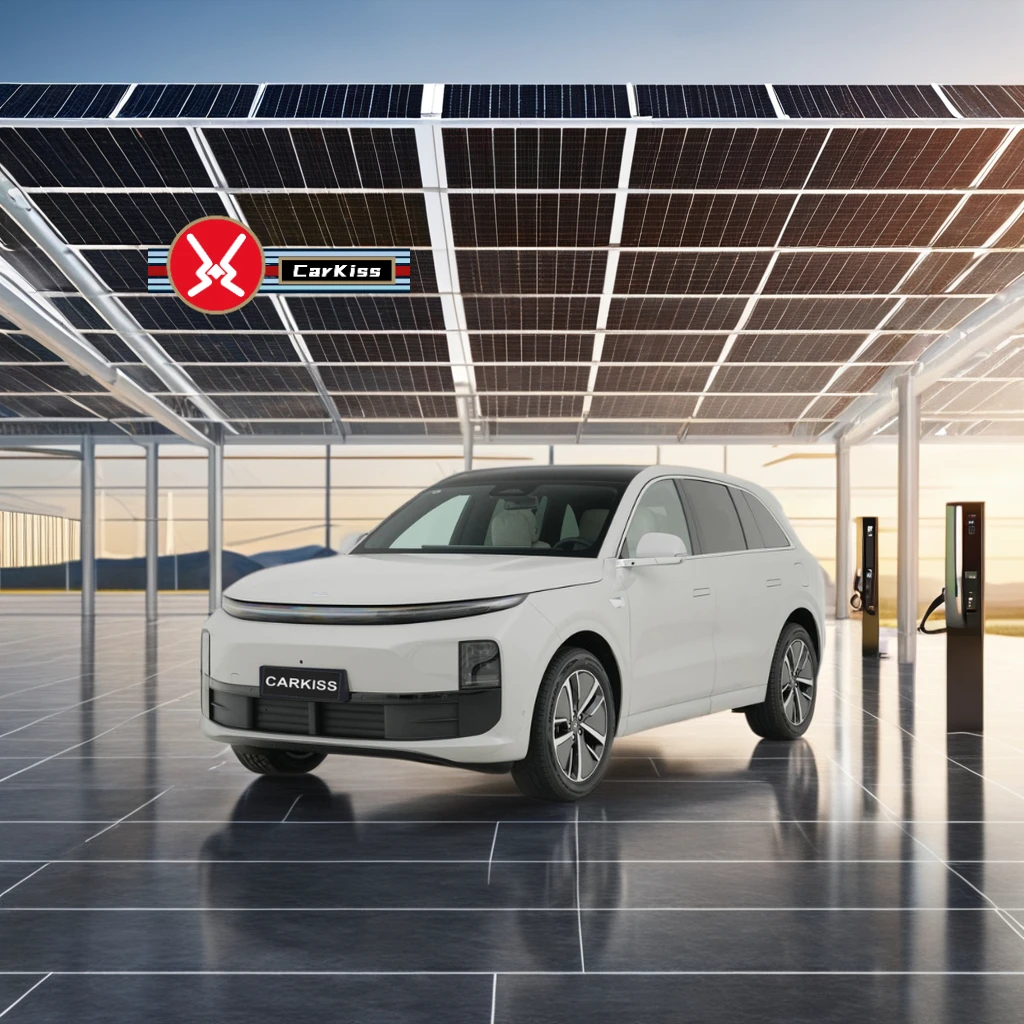
The Lixiang Li L6 brings something new to range extender tech, packing both versatility and practical features into its five seat layout. Families who need room for kids, gear, and weekend trips will find this model hits all the right notes. Looking at current car buying habits across Asia, there's clearly growing interest in family sized SUVs that can handle daily commutes while still being road trip ready. The L6 stands out particularly well in countries like Thailand and Vietnam where urban sprawl meets rural travel needs. Recent sales figures point to rising popularity among middle income households and young professionals starting families, making it no surprise that automotive analysts see real promise for exports from China to these emerging markets.
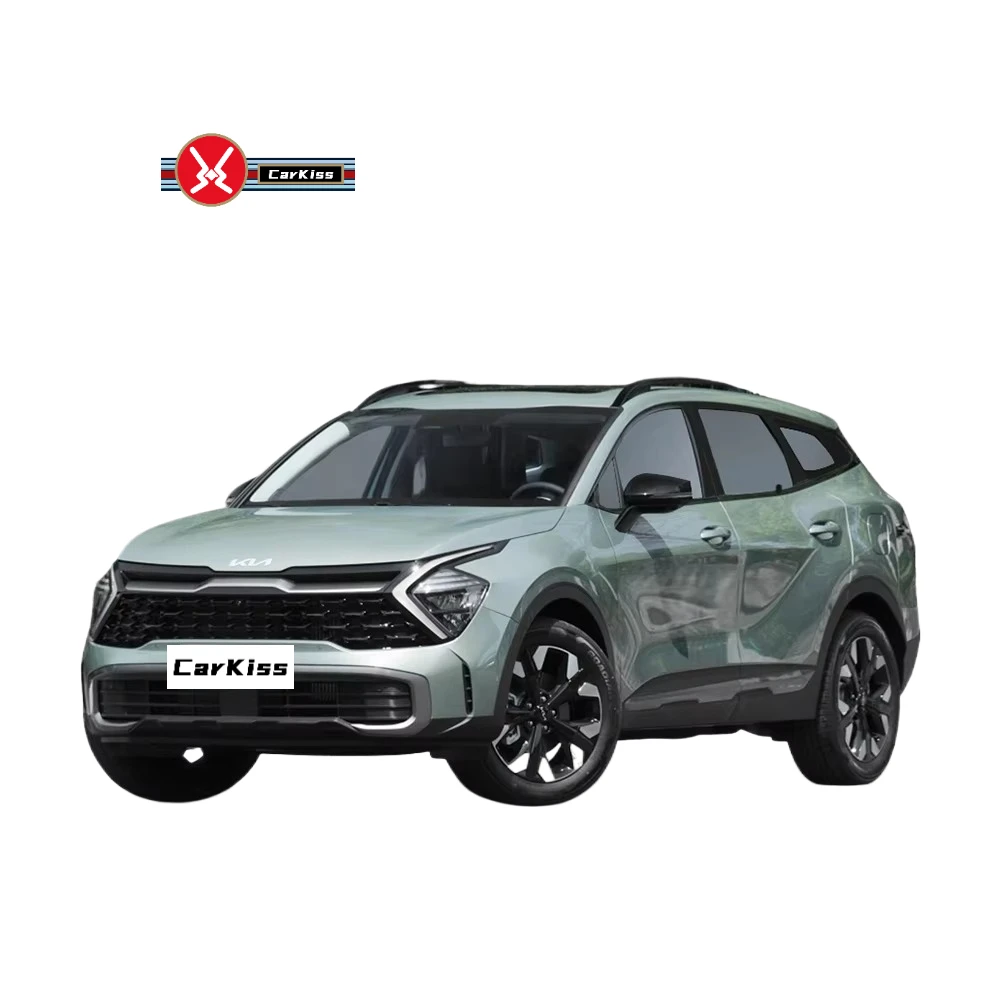
The Volkswagen 2024 ID.4 CROZZ stands out as a wallet-friendly choice among all those electric SUVs hitting the roads these days. It manages around 442 kilometers on a single charge, which puts it right where budget minded folks looking for greener transport options want to see it. What really makes this model pop is not just its price tag but also how VW has been pushing it hard through their advertising campaigns across different regions where money matters most. Market reports show plenty of buzz surrounding this vehicle, with many people showing real interest and expecting solid numbers at the dealership counters because more drivers are starting to prioritize getting good value when they go electric.
Keeping quality control tight is absolutely essential if car makers want to maintain their brand image and earn customer trust. Most manufacturers have strict quality checks built into their production lines to make sure cars live up to expectations. Take Mercedes-Benz for example they run every single part through rigorous tests at their state-of-the-art facilities, checking how components hold up in all sorts of weather conditions and driving scenarios. Ford does something similar, though their approach tends to focus more on real-world performance metrics. These kinds of thorough checks cut down on recalls and keep customers from complaining about reliability issues. Standards organizations like ISO set guidelines that auto companies follow when building their quality systems. We've actually seen some pretty impressive results lately luxury car brands have had fewer recalls in the last ten years because they ramped up their quality control measures significantly during that period.
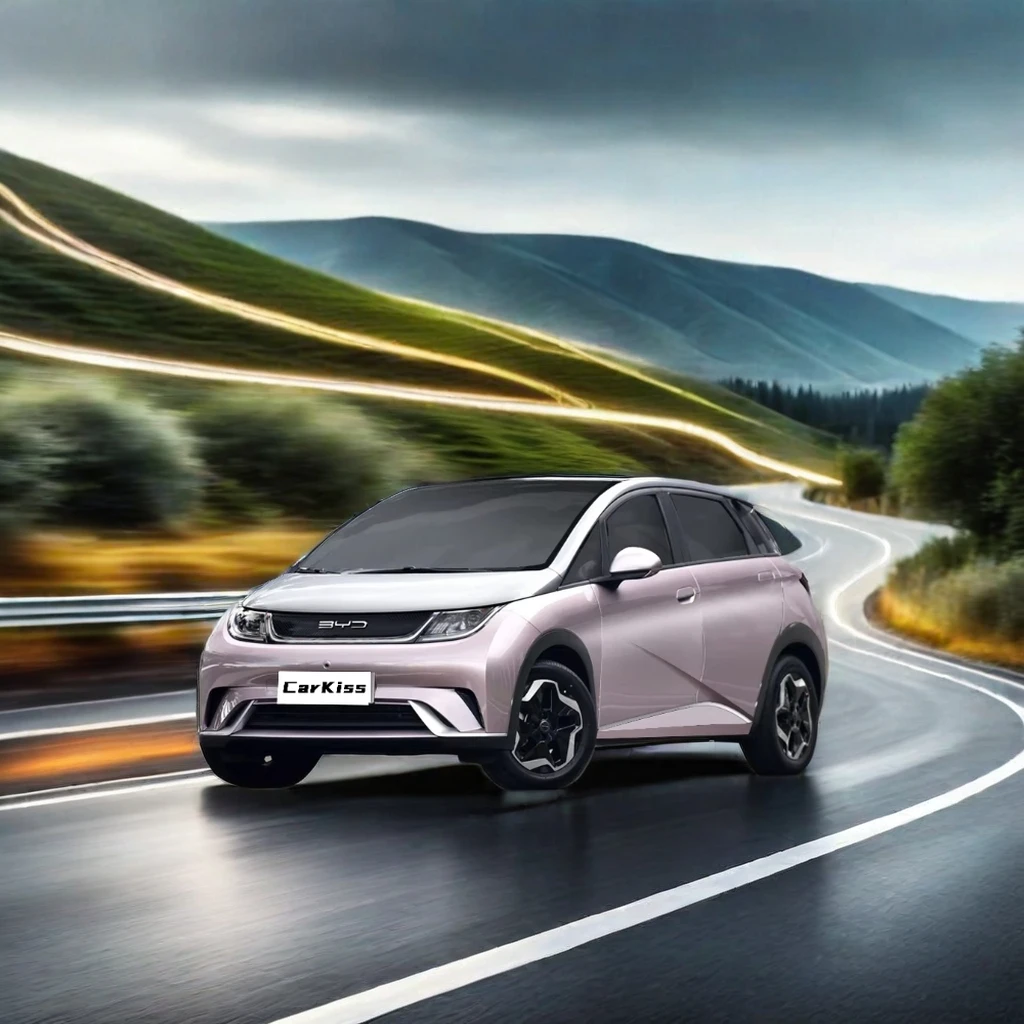
BYD stands out as a major player in battery tech, which really shows in their electric vehicles. Their advances in battery design mean these cars can go farther and perform better than many competitors on the road today. What makes BYD even stronger is how they work with other companies to improve battery life and pack more power into smaller spaces. Working closely with tech partners has helped push things forward faster than most people expected. The numbers back this up too - recent data shows BYD batteries are getting better all the time, while sales keep climbing across Asia, Europe and North America. This combination of smart engineering and real world results explains why so many consumers are turning to BYD when looking for an electric car that actually works well.
Working together with existing logistics networks makes a big difference when it comes to improving efficiency in exporting cars. When automotive companies form good relationships with logistics firms, they tend to run smoother operations while cutting down on transport expenses and getting products to customers on time. Most reliable logistics partners provide essential services including storage facilities, shipping coordination, and handling customs paperwork which keeps everything running without hiccups. Take General Motors' partnership with DHL Supply Chain as proof of what happens when businesses team up strategically – these kinds of alliances often result in grabbing bigger chunks of the market. Companies that work with logistics experts who know all about moving vehicles around can find better paths for deliveries and shorten travel times across borders. This not only saves money but also means happier customers at the end of the day.
Adjusting what cars get made for different areas where people live matters a lot when selling vehicles overseas. When car makers offer customization options, they can tweak things about the car so it fits better with what folks want locally, which makes them stand out from competitors. Take Ford for instance they've been pretty good at changing their models based on where they're sold, making sure their cars work well no matter if someone lives in cold climates or hot ones. But there's always some downsides too. Making customized cars often means spending more money on production and dealing with complicated shipping arrangements between factories and dealerships. Companies need to really know their markets inside out before jumping into customization and set up smart ways to move parts around efficiently. The numbers don't lie either customers tend to be happier with cars that fit their lifestyle, and businesses see bigger profits as a result. That's why many exporters keep investing in understanding local tastes despite all the extra work involved.
The promise of getting a vehicle within just 15 days makes all the difference when it comes to keeping customers happy and building brand loyalty across the automotive sector. People simply feel better about sticking with a company they know will deliver on time. Making this happen requires some serious behind-the-scenes work though. Car manufacturers need solid systems in place to handle such quick turnarounds. They have to fine tune everything from parts sourcing to warehouse management while also investing in tech that lets them track shipments as they move through the system. Looking at current industry movements, there's definitely a growing preference for brands that stand behind their products long term, especially ones that can get cars into customers' hands fast. Take BYD for example. Their 15 day delivery window isn't just marketing fluff either it actually translated into bigger sales numbers and repeat buyers who keep coming back because they trust the timeline.
Good customer service matters a lot when it comes to keeping customers happy and coming back for more. Big names in the auto business are getting smart about how they handle customer support these days. They're mixing old school methods with new digital options so people can get help where they want it. Most dealerships now offer support through regular phone calls, email exchanges, instant messaging chats, and even social media platforms. Younger buyers tend to prefer texting or chatting online while older customers might still reach out by phone. A recent report from Forrester showed that businesses which set up proper multi-channel support systems saw their customer satisfaction scores jump nearly half. That kind of boost makes all the difference in markets where competition runs fierce, just look at what Ford has been doing lately to stay ahead of the pack.
 Hot News
2024-07-18
2024-07-08
2024-07-08

 EN
EN