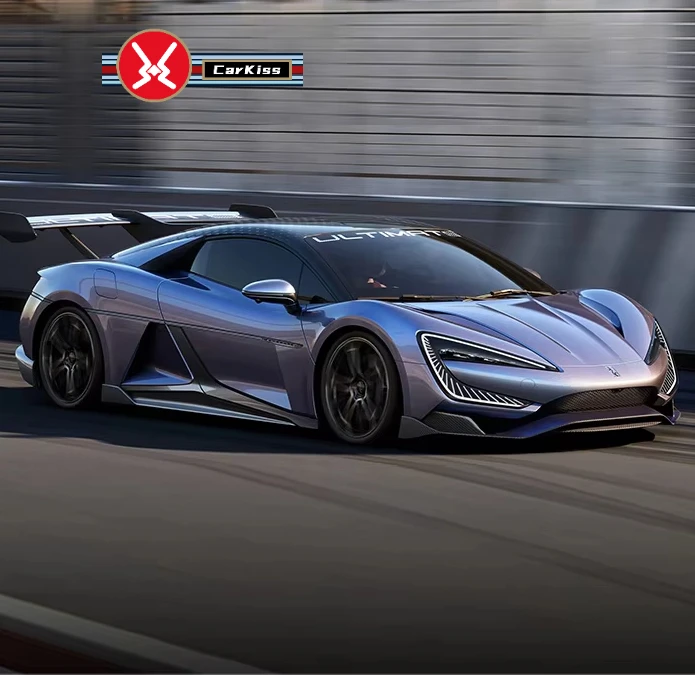
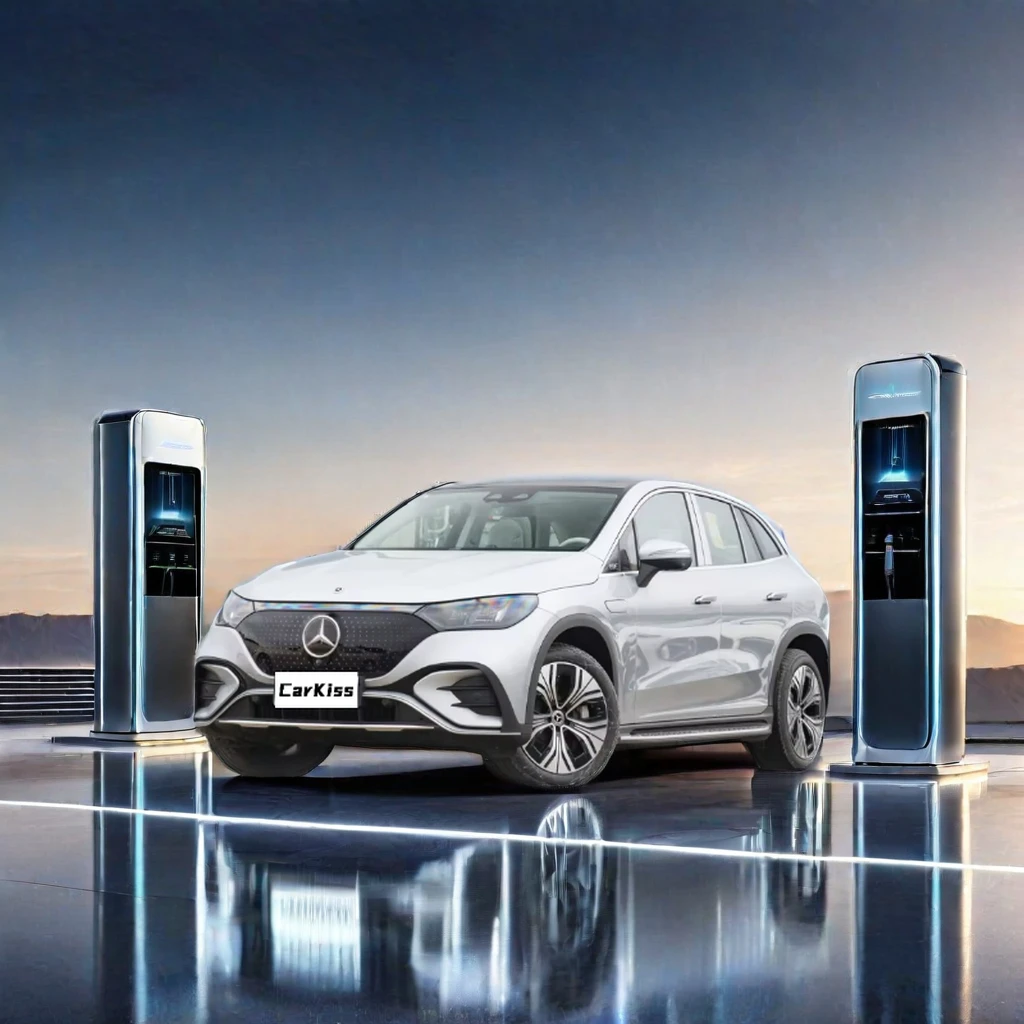
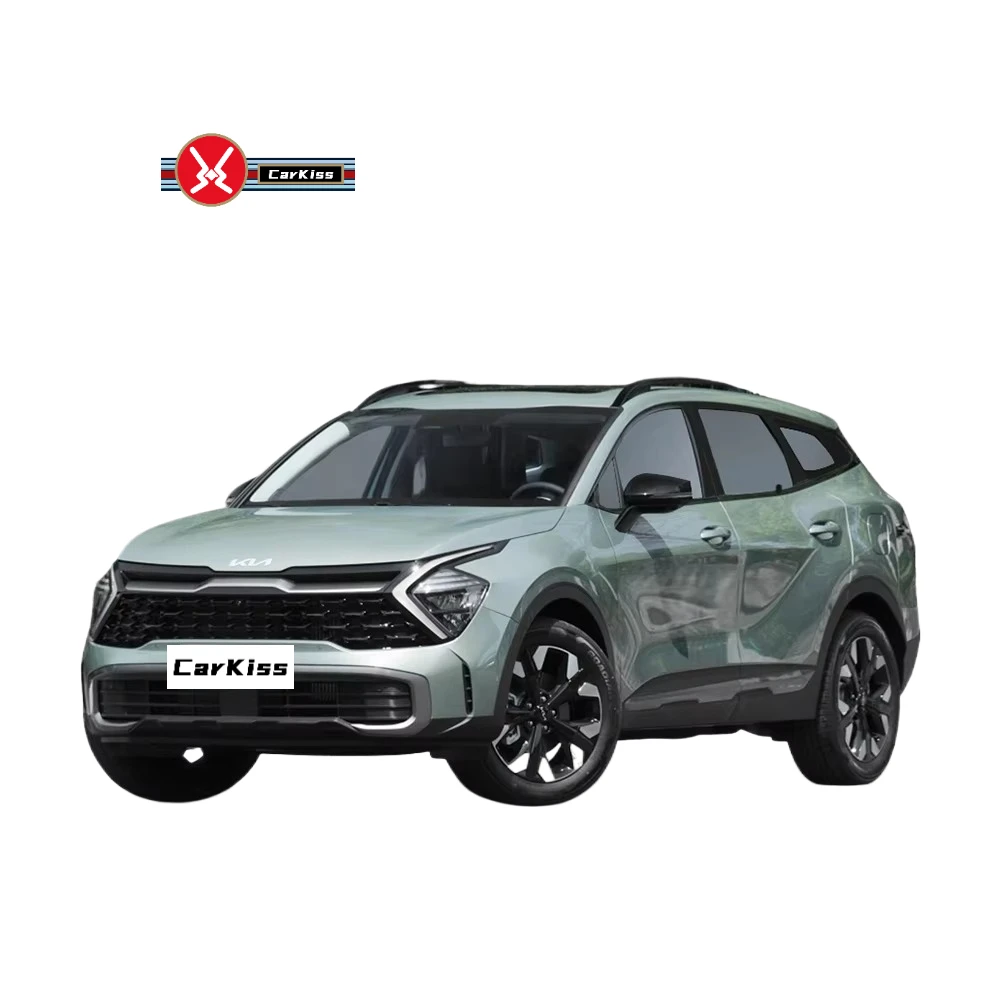
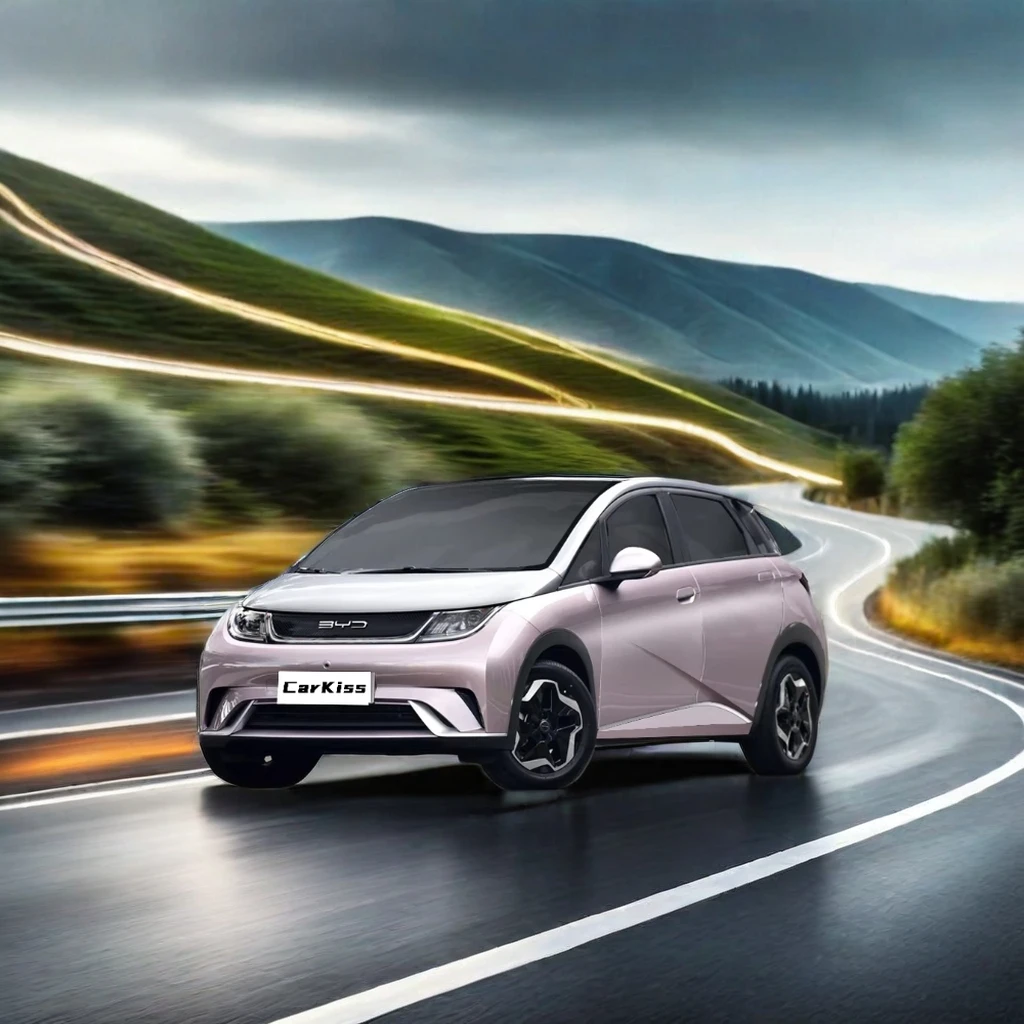
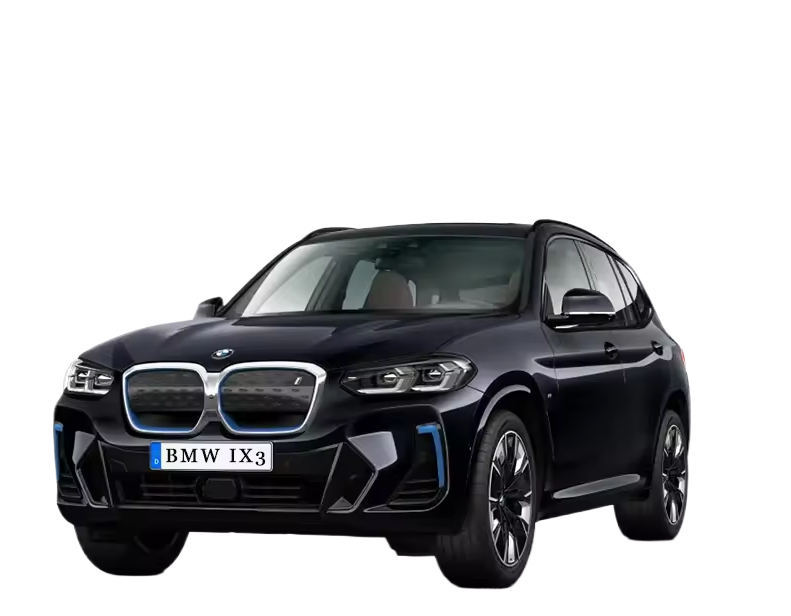
Around the world, we're seeing a big push toward sustainable transportation, which has put electric vehicles right at the center of international trade discussions. Many nations are working hard to fight climate change, so they're pushing for cleaner ways to get around. Electric cars stand out because they don't emit any pollutants during operation, making them key players in this green revolution. The auto industry is changing fast too, with top manufacturers betting big on EVs as the future of driving. Production numbers tell the story best – factories are cranking out more electric vehicles than ever before, and exports are climbing steadily month after month across multiple continents.
The International Energy Agency reported that electric vehicle sales hit around 6.6 million worldwide last year, showing just how much interest there is growing in these cars. We're seeing EVs becoming more common on roads everywhere as people start to see them as regular transportation rather than something special. More folks want to buy green vehicles these days because battery tech has improved so much lately, plus prices have dropped enough that many can actually afford one now without breaking the bank.
A bunch of factors are pushing electric vehicle markets forward right now. Oil prices keep going up and down, governments are putting more rules in place, and people just want greener options for their transportation needs. When gas gets expensive, folks start thinking twice about buying those old school gas guzzlers. At the same time, laws and regulations around the world are making it easier for companies to develop cleaner cars and get them out there on the roads. All these things combined mean we're seeing significant growth in EV sales across different countries and regions.
At the same time, developing nations are seeing their growing cities and better funded roads helping people get access to electric cars. Many emerging markets have started pouring money into charging stations and battery tech because they see how green energy fits with long term planning for their communities. The EV boom isn't just happening where it already exists - places that were once overlooked are now getting serious about building their own piece of this market. China remains way ahead in sales numbers, but neighboring countries are starting to follow suit when they realize how important electric transportation really is for keeping their economies healthy without harming the environment so much.
The electric vehicle market around the world is growing fast, thanks largely to government policies that create good conditions for exporting EVs. Financial support through subsidies and tax breaks really helps boost both manufacturing and get people interested in buying electric cars. Take the European Union for example they want at least 30 million electric vehicles on roadways by 2030, which means big business chances for car makers looking to grow their markets. These kinds of market developments definitely speed up how quickly we move away from gas powered cars toward electric transportation options.
The money flowing into this industry tells us there's real potential ahead. Last year alone, companies around the world poured roughly 300 billion dollars into making electric cars, something that's definitely pushing forward new tech developments. With all that cash coming in, we're seeing better batteries get developed, more charging stations pop up everywhere, and car designs improving across the board. These improvements matter because they help manufacturers meet what people actually want when buying vehicles today while also staying compliant with those ever-changing government regulations on emissions and safety requirements.
When car companies team up with tech firms, it becomes really important for staying ahead in this changing industry. Working together helps improve what electric cars can do while also getting them into new markets, particularly in places where people are just starting to buy EVs. These kinds of partnerships actually help tackle problems we face right now like poor charging stations and customers who worry about range anxiety. That means better chances to stand out against competitors worldwide. Manufacturers who seize these partnership chances tend to grow faster in the electric vehicle space than those who don't take advantage of what technology partners bring to the table.
When looking at where electric vehicles are being shipped around the world, certain areas stand out as major players. The US, several European nations, and especially China dominate the export scene. Take China's EV market for instance it's huge because they've really ramped up local production while also pushing hard to get their cars into other markets. As more people start buying electric cars across these regions, we're seeing something pretty big happen globally a move toward greener transportation options. But getting into this market isn't easy for newcomers. Production costs remain sky high, and navigating all those different regulations from country to country is no small task. That's why smaller firms often struggle against industry heavyweights like Tesla and BYD who have already built up substantial advantages through scale and experience.
Industry giants maintain their position at the top of the electric vehicle market thanks to strong customer loyalty and innovative products that keep consumers coming back. The market keeps changing though, and we're seeing smaller players try to find their spot, especially in places where the economy is still growing. Take Southeast Asia for example it's turning into a hotspot for electric car manufacturers looking to expand. There's definitely money to be made there with all the new buyers entering the market, but getting established isn't easy. Newcomers run into roadblocks like different rules from country to country and customers who have their own ideas about what they want in a vehicle. Companies that want success in this space need to get under the skin of these markets, understand local tastes, and figure out how to work within varying regulations if they hope to stand out among the competition.
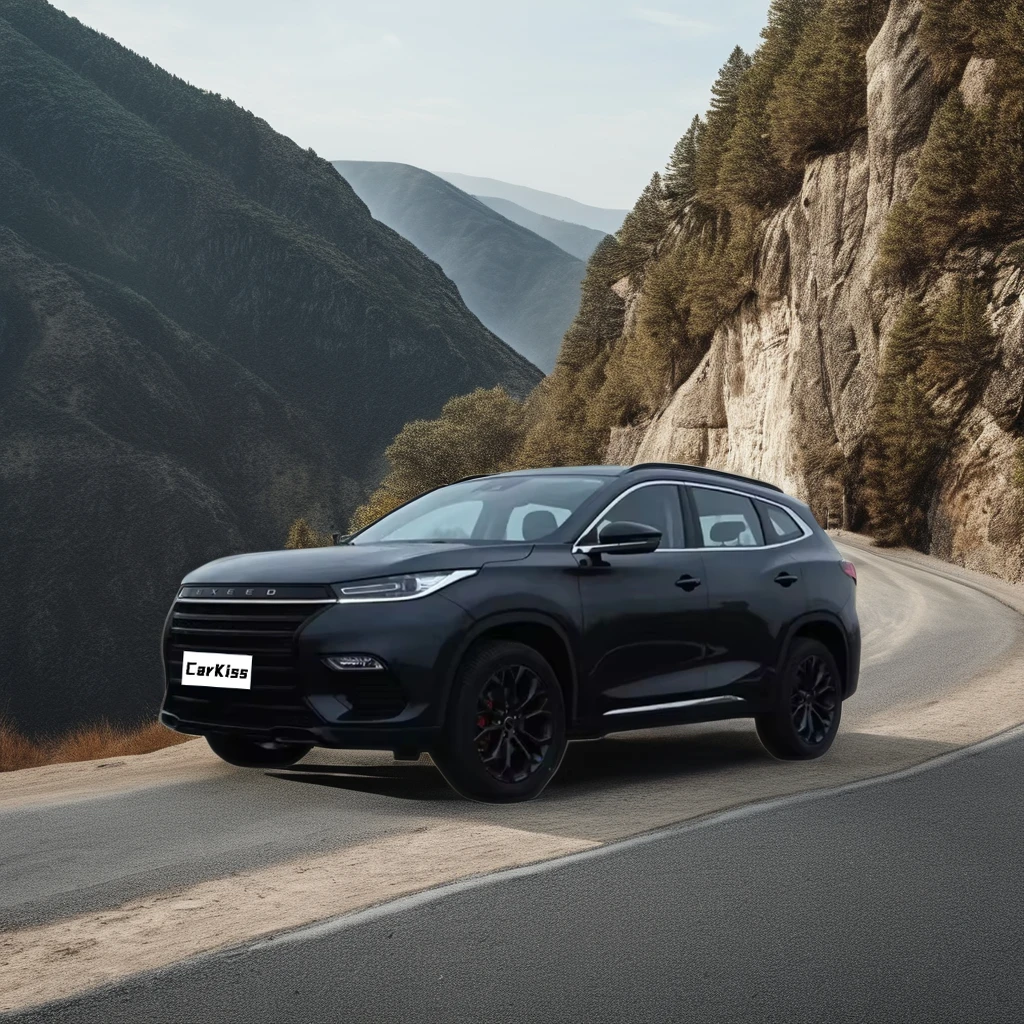
Electric cars are really taking off in international car sales these days, with some models standing out from the crowd. Take the Cherry Car Exeed TX for example. This vehicle manages to hit that sweet spot between what people can afford and what they actually want in a modern car. Priced reasonably but packed with tech that rivals much pricier models, it's catching eyes across developing economies where cost matters but drivers still expect something decent. Many folks in places where money stretches thin are finding this model particularly appealing because they get good value without having to settle for basic equipment.
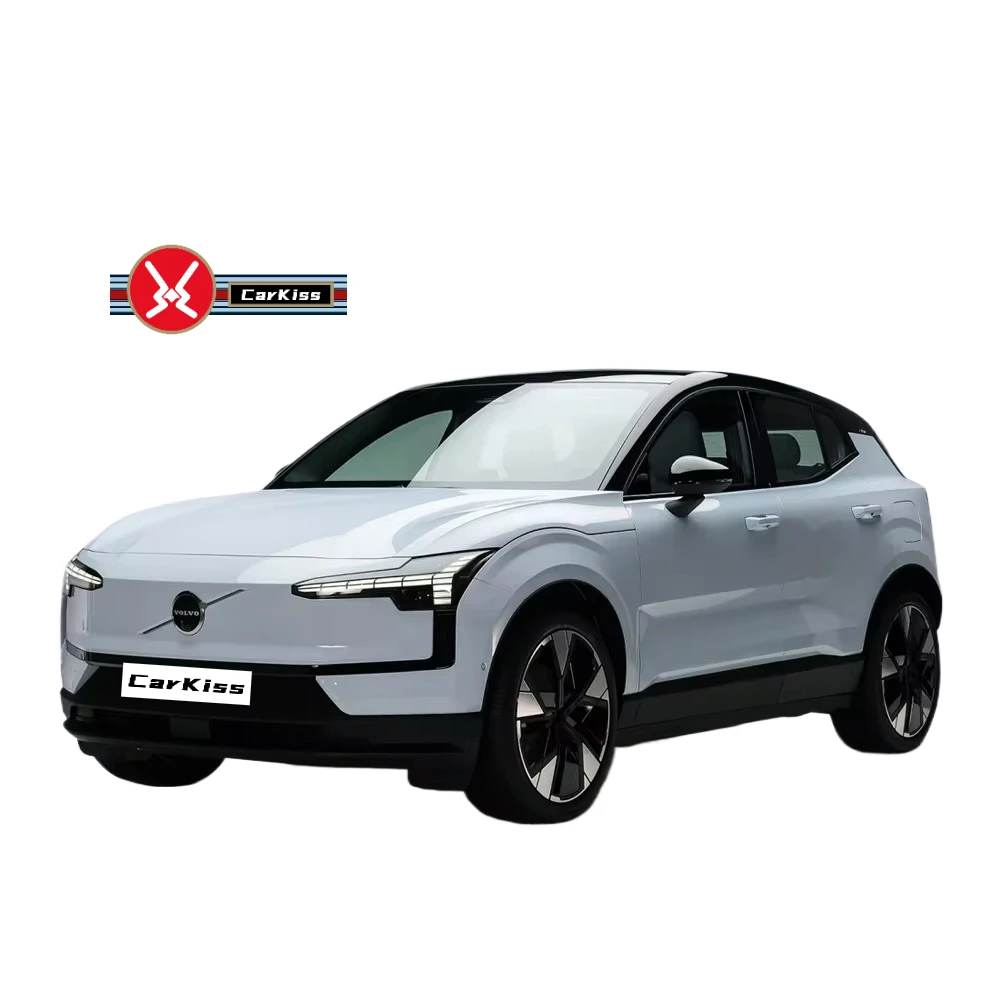
The VOLVO EX30 really shines when it comes to safety tech and all sorts of advanced features that most cars just don't have. Car enthusiasts who want something special in the electric vehicle space tend to gravitate toward this model, especially across North America where people generally care a lot about both looking good and staying safe on the road. Built solid as a rock with some pretty impressive speed under the hood too, many drivers end up choosing the EX30 because they want something dependable yet forward thinking in terms of design.
Furthermore, the Great Wall Tank 300 SUV is engineered for off-road enthusiasts, focusing on strength and durability. Positioned as a robust electric vehicle, its off-road capabilities cater to a niche audience that values ruggedness and adaptability, making it a popular choice for adventurous buyers seeking exploration beyond standard roadways.
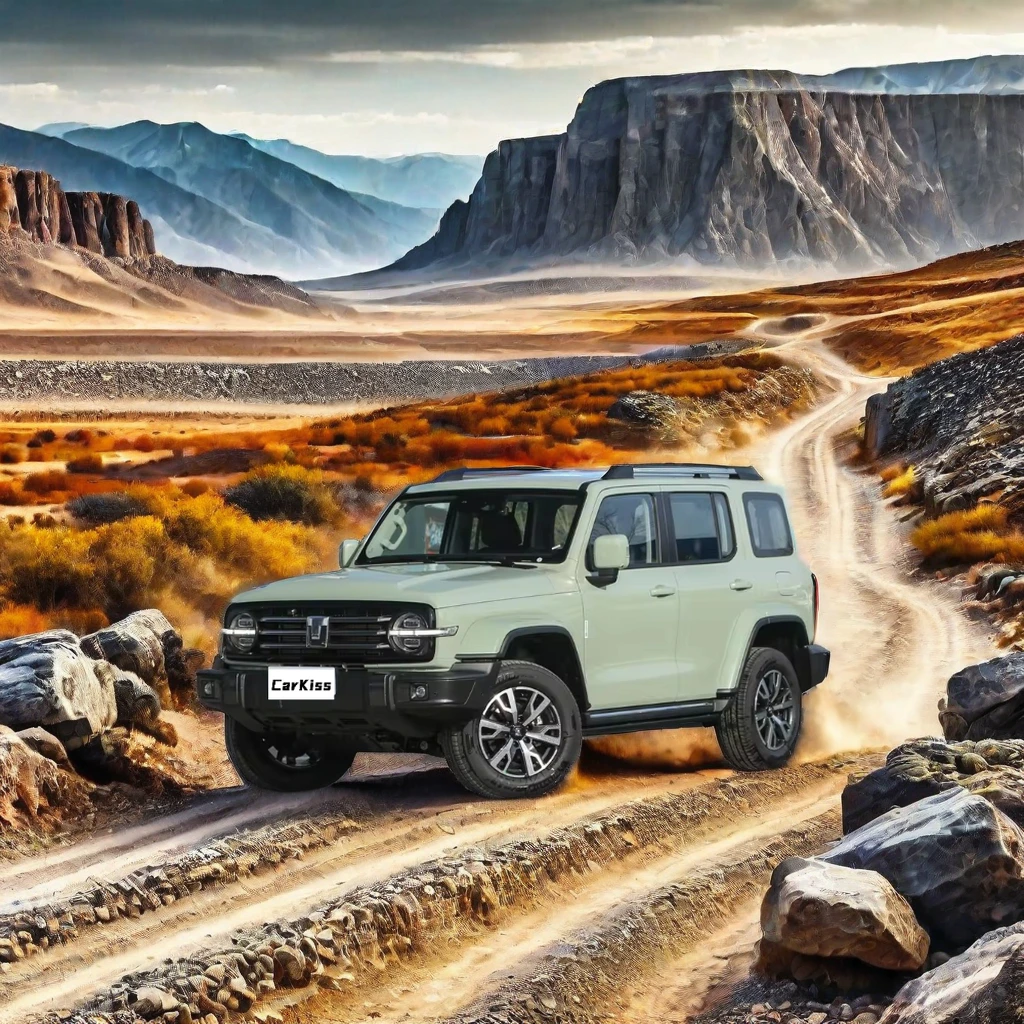
Statistical data indicates rising demand for these models, driven by their respective strengths. Cherry Car Exeed TX is praised for affordability, Volvo EX30 for its safety innovations, and Great Wall Tank 300 for its off-road prowess. Together, they play a crucial role in the flourishing electric vehicle export sector.
Advances in battery tech will probably change how electric vehicles get exported around the world. New batteries mean cars can go farther between charges and recharge much quicker, which makes them more appealing to everyday drivers looking at buying an EV. Some studies indicate that the market for these car batteries is growing fast, maybe hitting around 140 billion dollars by the end of this decade according to certain projections. For companies exporting products internationally, especially ones trying to meet demand for better performing batteries, there's real money to be made here. The industry seems ready for this shift as consumers increasingly want vehicles that don't tie them down to constant charging stops.
The push for sustainability is changing how electric vehicles get exported around the world, especially since car makers want to meet those big carbon neutrality targets set globally. Automakers like Tesla, Volkswagen, and others have all pledged to reach net zero emissions by 2050 at the latest, and this is making consumers look more closely at which cars they buy. People today care about whether their purchases actually help reduce environmental impact. As more folks start wanting greener options, companies that really put effort into going green stand out in international markets. We're seeing this happen already with certain brands gaining popularity because they claim lower carbon footprints across their entire production chain. Looking ahead, these developments show clearly that going green isn't just good PR anymore it's becoming essential for any company serious about staying relevant in the fast growing EV sector.
 Hot News
2024-07-18
2024-07-08
2024-07-08

 EN
EN