When it comes to exporting vehicles, what happens after the sale matters just as much as the sale itself. After sales support basically means all those services companies offer once someone actually buys their product. Good support keeps customers happy, builds loyalty over time, and stops them from switching brands. What does this support typically involve? Think technical help when things go wrong, handling warranty claims properly, and staying in touch with buyers even after purchase. Some research from around 2020 found that nearly 96 out of 100 customers will walk away from a brand if they feel let down by post-sale service. That kind of statistic makes it clear why exporters need solid after sales systems in place not just for reputation management but also because repeat business depends on it.
The after-sales support landscape for vehicle exports has changed quite a bit over time. What started as simple maintenance checks back in the day has grown into full service packages that really affect how well cars sell abroad. Take Japan and America for example these countries have seen firsthand how good post-sale service can boost car sales overseas. Automakers who handle warranty claims fast, offer spare parts locally, and maintain service centers around the world tend to build stronger relationships with customers. And those satisfied customers translate into better brand reputation across international markets. Looking at current trends, manufacturers need to invest seriously in their after-sales networks if they want to stay competitive in today's global automotive marketplace where expectations are constantly rising.
Good after sales support really makes a difference when it comes to keeping customers happy in international business. Various studies back this up, showing clear connections between what happens after the sale and overall satisfaction levels. Businesses that go above and beyond with their post purchase services tend to get better reviews from clients. And these good experiences usually lead to people coming back for more business and developing real trust in the company name. Take a look at numbers from 2020: almost nine out of ten customers said they would definitely buy from someone again if they had solid support after making a purchase.
After sales support really matters when it comes to building brand loyalty, especially for car companies. Take Toyota for instance, they've built solid relationships with their customers through good after sale service. They offer things like free check ups and keep people informed about what needs doing, which has made lots of folks stick with them over time. When businesses get this right, customers start feeling reliable about the brand. And guess what? Those happy customers often become real champions for the brand, telling others about their positive experiences.
Good after sales service does more than keep customers happy it actually makes them come back for more, which means they spend more money over time. Look at the car export business for example. Companies that really put effort into their post sale support see around 30 percent more repeat business from satisfied customers. This kind of customer stickiness translates directly into better bottom line results down the road. What this shows is that after sales isn't merely about keeping existing clients it plays a huge role in making sure vehicle exporters stay competitive and profitable in the long run.
If businesses want good after sales support, they need to start listening to what customers actually say about their products. Getting this info happens in different ways these days - through those annoying but necessary surveys, talking directly with clients over the phone or email, and watching how people interact online. Once all this information comes in, companies run it through various analysis tools to spot patterns and figure out where things might be going wrong. When businesses truly get inside the heads of their customers and understand what they expect from post purchase service, they can tweak their approaches to match those expectations much better. This kind of adjustment doesn't just make customers happier, it builds long term relationships that keep people coming back time after time.
Tech has become really important for improving what happens after a sale. Companies use Customer Relationship Management or CRM systems to keep track of how they interact with customers. These tools let businesses offer tailored experiences because they remember past interactions and preferences from their databases. Chatbots are another game changer for customer service. They handle questions and problems instantly without needing someone to answer the phone or respond to emails. Some companies report response times dropping by over 50% when using these automated solutions. The bottom line is better communication across all touchpoints. Customers get help faster and more accurately, which means they stay loyal to brands longer term.
Getting staff properly trained makes all the difference when it comes to connecting with customers. Good employees need to know how to talk to people, figure out what they actually want, and come up with real solutions instead of just going through the motions. When workers are well trained, it shows in the service quality and how customers see the business overall. These positive interactions create lasting brand loyalty, which means customers keep coming back again and again. Companies that put money into regular training sessions stay ahead of the game, keeping their service standards high while also being able to adjust as customer wants change over time.
The world of vehicle exports throws up all sorts of headaches when it comes to after-sales support. Logistical nightmares and communication problems plague many exporters who ship cars overseas. Managing shipments across different countries is tough enough, but throw in language barriers, time zone differences, and cultural misunderstandings, and things get even trickier when trying to coordinate with customers and local service centers. That's why smart exporters spend extra time mapping out every detail before shipping. They know vehicles need to arrive in good shape, and they also understand that quick responses to warranty claims or maintenance requests matter just as much for keeping satisfied customers abroad.
Support after the sale matters a lot in specialized markets, especially in places like Japan where customers really expect great things from products they buy. People there have pretty tough standards when it comes to quality and want something that lasts long term, not just works at first glance. These expectations don't stop once someone takes ownership either; they follow through every step of how the product performs over time. Good post-purchase support helps meet those lofty demands while building trust in what companies deliver. For exporters trying to stand out among competitors, focusing on excellent service after sale can make all the difference in winning over Japanese buyers who value consistency and dependability above almost everything else.
When companies build solid connections with overseas customers through proper after sales care, they're setting themselves up for lasting success abroad. Good after sales service creates real trust between businesses and their international clients. When exporters consistently deliver reliable support, customers tend to come back again and recommend others too something that matters a lot when trying to grow internationally. After sales isn't just another line item on the service menu it plays a key role in how companies actually engage with foreign markets day to day, making all the difference in whether they survive or flourish globally.
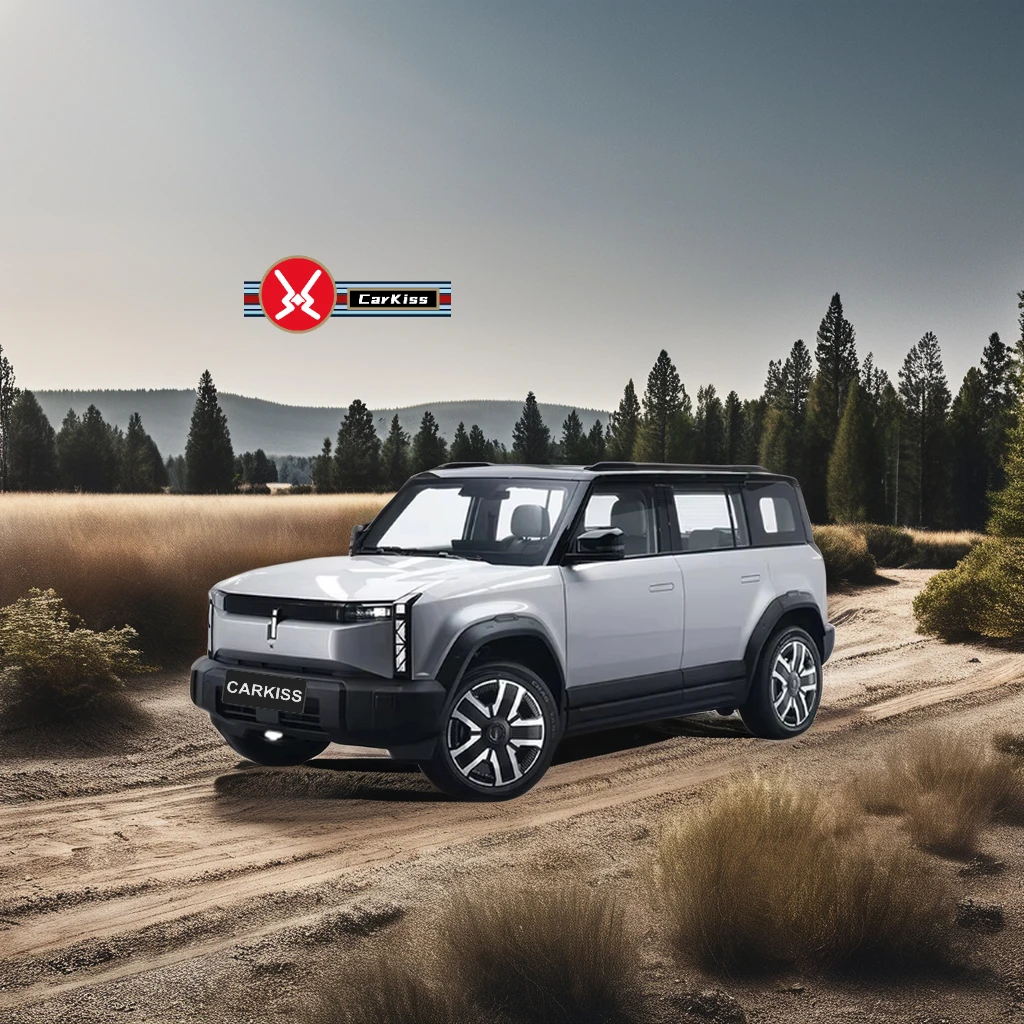
The Off Road Chery Icar 03 Deposit 2024 model has really caught attention in the EV world thanks to its solid after sales support that keeps customers happy. Built on smart engineering principles and packed with advanced electronics, this vehicle represents where automotive tech is heading. Sichuan Carkiss Automobile handles all post purchase needs through their service network. Response times are fast when problems arise, and they get back to owners quickly on any questions too. What sets them apart is how seriously they take each case individually. Rather than just fixing what's broken, technicians actually spend time understanding patterns so similar issues don't happen again. Many buyers report feeling valued beyond just being another sale, which builds trust over years instead of months.
The 2024 Lotus Emeya S+ R+ stands out as a remarkable entry in the electric supercar arena, combining top-tier performance with exceptional post-purchase care. As a premium model, Lotus has gone above and beyond with their after-sales package, which features customized options for those who demand nothing less than perfection. The company offers comprehensive training sessions for owners, plus round-the-clock maintenance assistance through dedicated specialists. These services go well beyond standard offerings, creating an ownership experience worthy of someone who drives something truly extraordinary. Owners get what they pay for when it comes to both vehicle quality and the ongoing support that keeps their investment performing at peak levels.

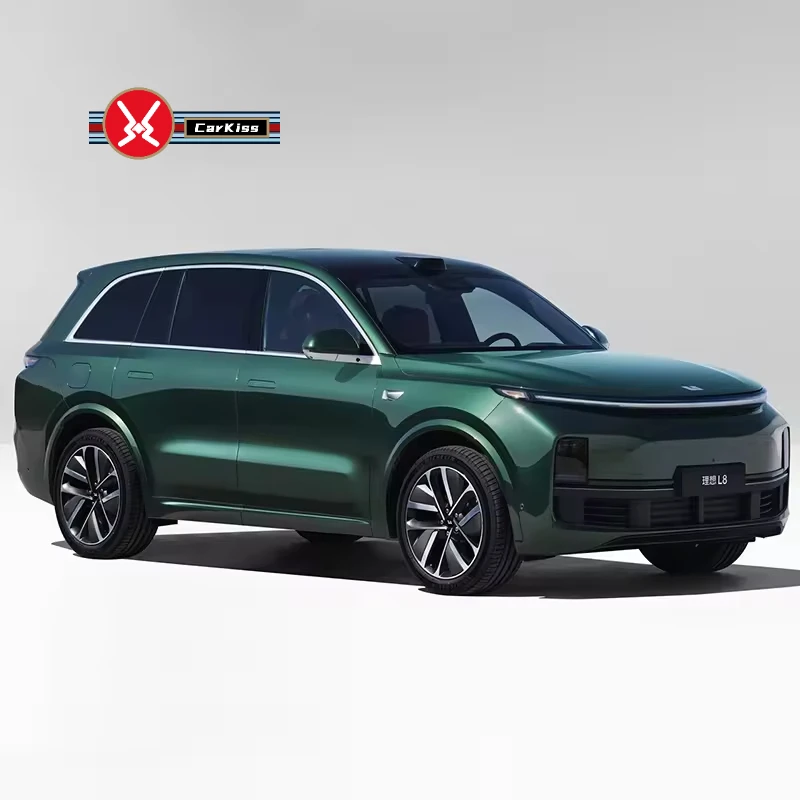
The Lixiang Li L8 SUV EV brings something fresh to the table when it comes to after sales support for electric vehicles. The company has created a pretty comprehensive support system that gets problems fixed quickly and makes sure customers aren't stuck waiting around for service. What makes this stand out is how they've thought about both the technical side of things and what actually matters to people who drive these cars day to day. The whole package seems aimed at keeping owners happy while making sure their EV remains useful and reliable over time. This approach shows the brand really cares about pushing boundaries in the electric vehicle market.
After-sales support for cars exported overseas will likely undergo major changes thanks to automation technology that boosts how fast services get done. When companies implement automated systems, they find customers interact differently, responses come back quicker, and problems tend to get fixed faster than before. Take chatbots running on AI as an example these days. They tackle common questions almost instantly so real people behind the scenes don't waste time on simple stuff anymore. Instead, technicians focus on tricky issues that require actual thinking rather than just answering FAQs all day long.
Personalizing experiences through data has become a big deal in vehicle exports lately, and it really does help keep customers happy and coming back for more. When exporters look at what their clients actually want post-sale, they can offer stuff that matters to each person specifically. Maybe someone wants regular maintenance reminders or special financing options for spare parts. The point is, when folks see that a company gets what they need, they tend to stick around longer. Customers appreciate feeling important rather than just another number on a spreadsheet. And honestly, businesses that get this right usually end up building those lasting connections that make all the difference in competitive markets.
Sustainability has started to play a bigger role in what happens after vehicles leave dealerships. More companies are switching to green approaches when it comes to spare parts packaging these days. Instead of cardboard boxes that end up in landfills, they're using materials that can actually be recycled. And many have stopped printing all those paper manuals and invoices, opting for digital versions instead. These changes cut down on waste throughout the entire after-sales chain. Plus, customers who care about their planet tend to notice and appreciate this effort. For automotive exporters, going green isn't just good for business anymore it's becoming something of an expectation as countries around the world push harder for sustainable practices across industries.
 Hot News
2024-07-18
2024-07-08
2024-07-08

 EN
EN