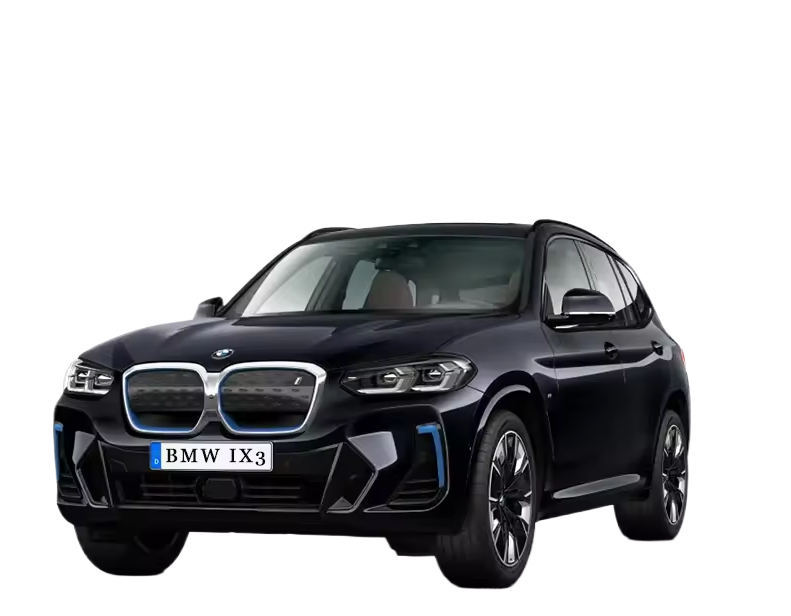
When car companies build up a good name in the industry, people tend to trust them more, which means more cars get sold and customers stick around longer. Research shows this connection pretty clearly too many folks just won't buy from brands they don't think are dependable. What people say about cars online really matters for how others see those brands. Websites like Edmunds or Kelley Blue Book have become go to spots for shoppers wanting to read what other drivers actually think before spending thousands on a vehicle. These sites matter because they show real world experiences instead of just marketing fluff. Good service after someone buys a car also plays a big part in maintaining that reputation. When dealerships respond quickly to problems and fix things right the first time, owners feel confident knowing their money wasn't wasted. This kind of support keeps customers coming back year after year.
Car companies leading the charge in tech innovation, especially for electric vehicles, tend to draw in those customers who love staying ahead of the curve. Sales numbers keep climbing for EVs, and folks are getting hooked on improvements in batteries, self-driving capabilities, and better connected systems. When automakers build smartphone apps into their cars or add smart features, it really boosts their attractiveness because drivers get things like easier access, safer options, and just a better overall ride. Working with tech firms also helps shape how people see these car brands as being on the cutting edge. Take Ford teaming up with Microsoft or GM hooking up with Google - these kinds of deals create buzz among buyers and build confidence that the cars come packed with the latest gadgets everyone wants right now.
More people these days care about how green their car choices are, which has pushed many toward automakers who actually walk the talk on CSR. Recent polls show that folks want to buy from companies making real sustainability moves, like using old plastics in dashboards or figuring out ways to cut down emissions across their operations. When companies market themselves as eco-conscious, they usually see better customer retention and get noticed by new buyers too. Automakers who manage to convince shoppers they're serious about protecting the planet often come out ahead in sales because customers align themselves with brands whose values match what matters to them personally. Beyond just meeting current demands for greener vehicles, this approach helps establish manufacturers as pioneers in environmental stewardship throughout the automotive sector.
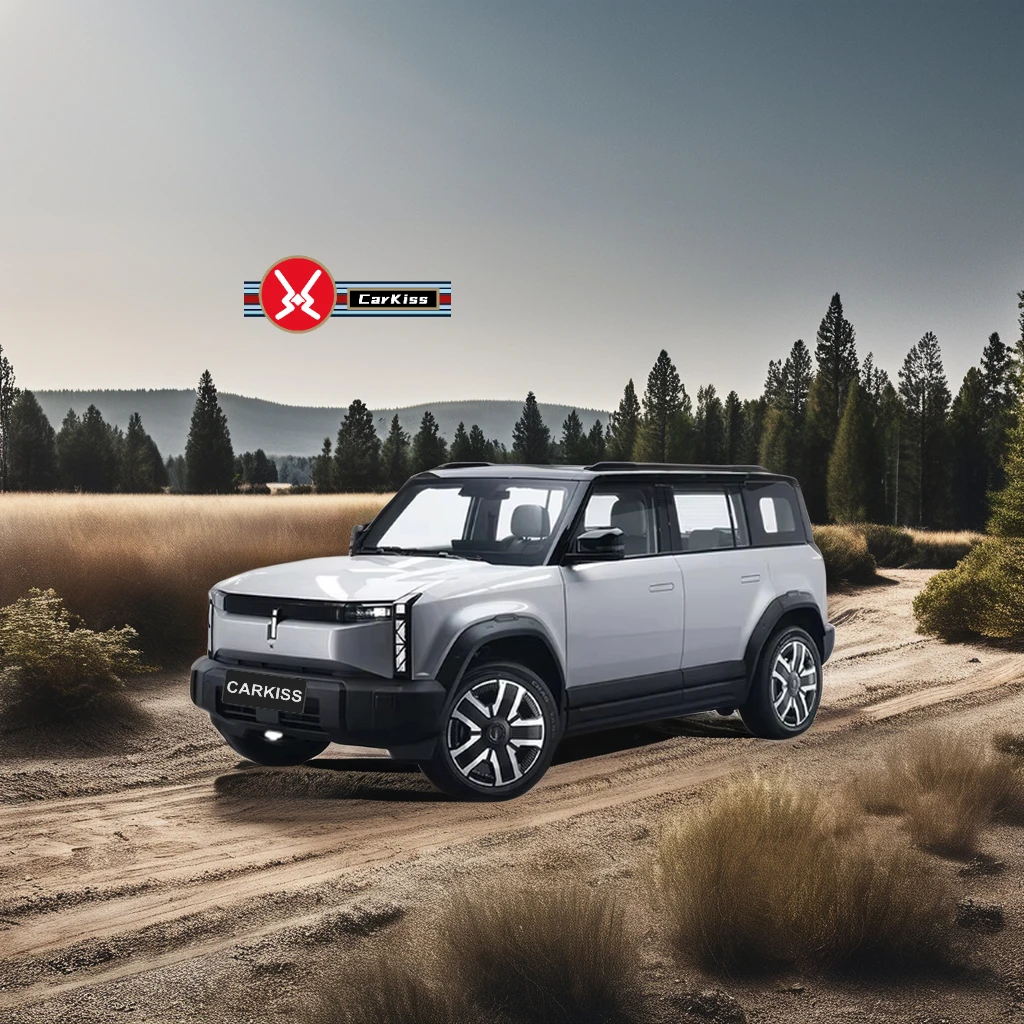
The Chery Icar 03 brings something exciting to the table for people who love getting their tires dirty. Built tough but runs on electricity, this vehicle manages to blend durability with green credentials. What really catches attention is how solidly constructed it feels while still being kind to the planet. For folks who want adventure without leaving a carbon footprint, this model has become quite popular. Chery knows exactly who they're talking to when they market this car. They've been hitting the right notes with environmentalists and outdoor lovers alike through clever ads and smart placement at events where these audiences gather. The numbers tell the story too sales are climbing steadily and customers keep coming back with praise about reliability and performance. Anyone serious about exploring rough terrain in an electric vehicle should definitely take a closer look at what the Icar 03 can offer.
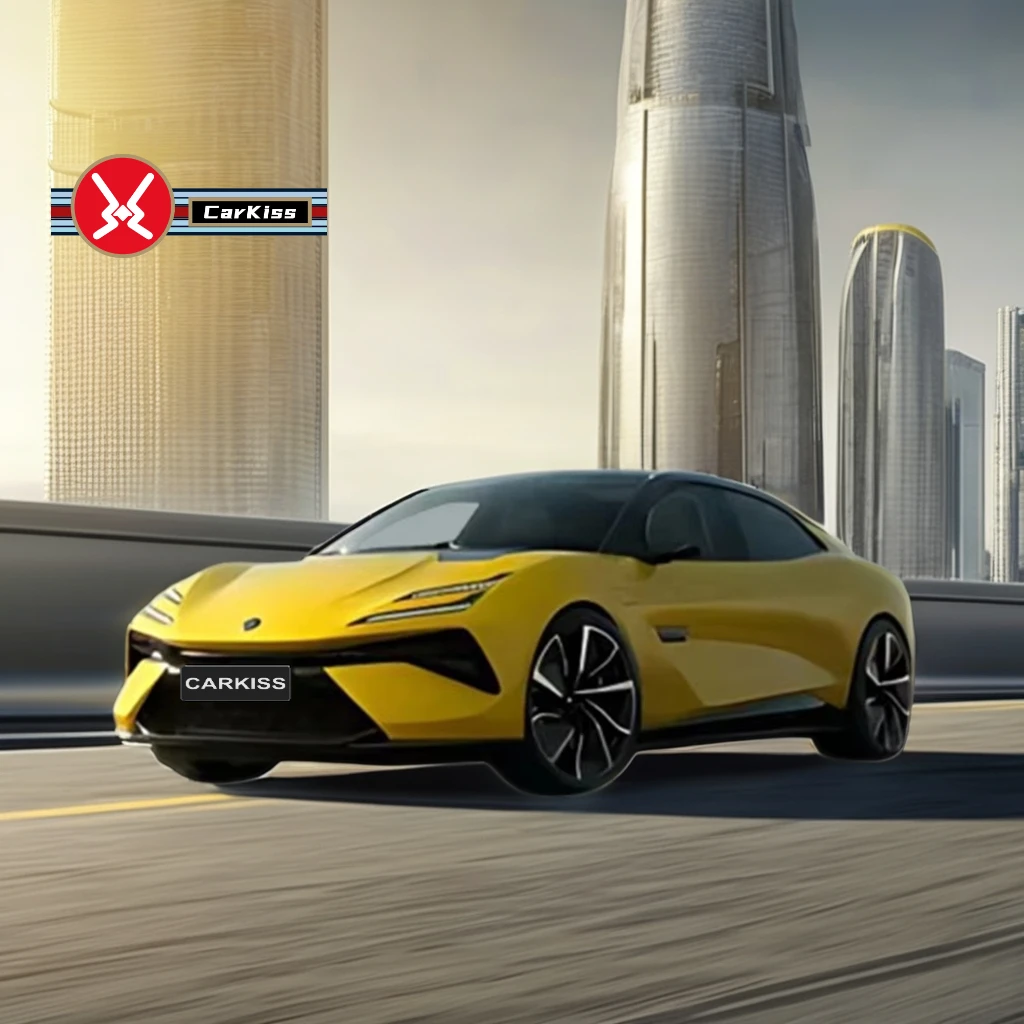
The Lotus Emeya S+ R+ brings together luxury elements with serious performance specs, targeting wealthy buyers who want their status shown through what they drive. People love this car for how it looks, the raw power under the hood, and the fact that not many people own one. Most folks who've driven it or read about it agree that it sits firmly in the premium segment, offering both eye-catching style and real muscle when needed. Lotus knows exactly who they're talking to with their ads, pitching the Emeya S+ R+ as something special among other fancy cars on the road today. They highlight all those features that make it stand out from competitors while keeping prices where only certain pockets can reach them.
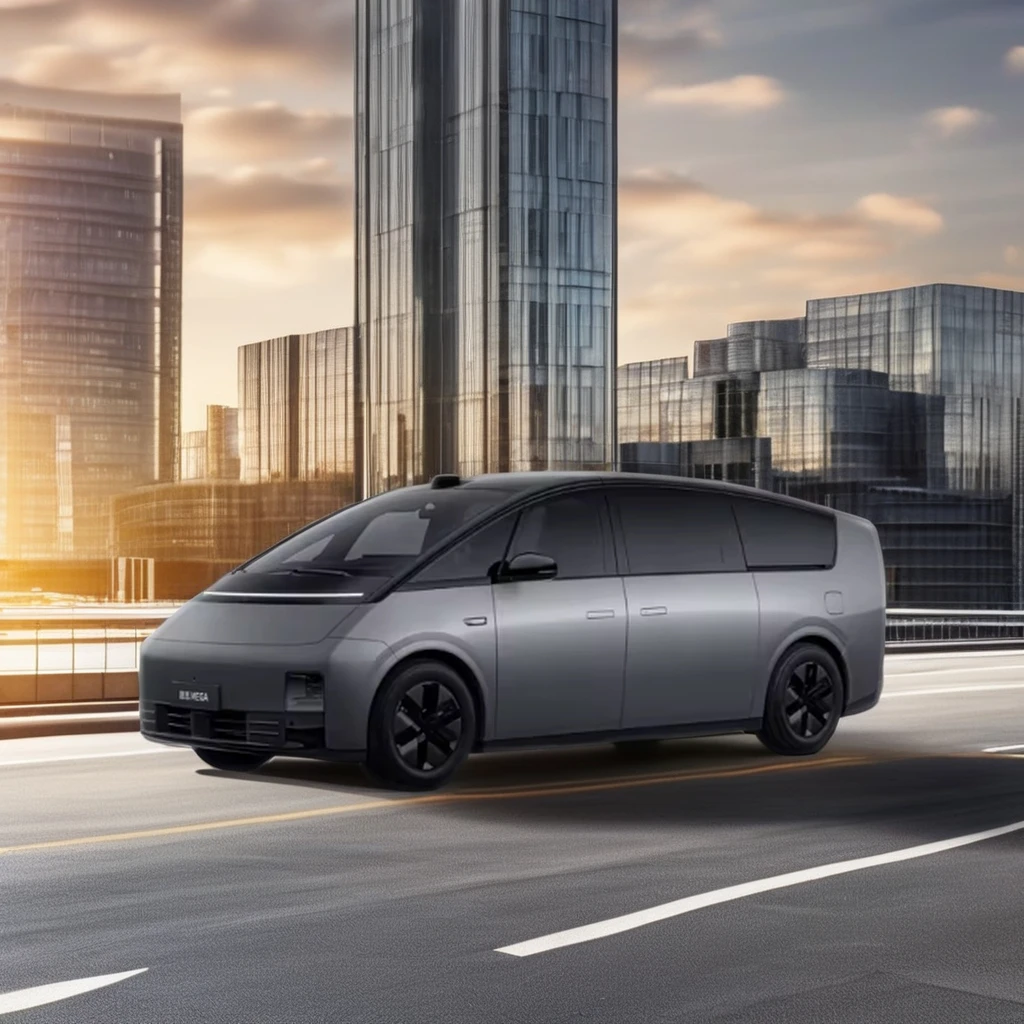
The Lixiang Li Mega luxury MPV is all about making family life easier while still looking fancy. Families love how roomy it is inside, with plenty of space for kids, luggage, and even those awkward holiday gifts. What really sets it apart are the little touches designed for real family trips - think third row seating that folds flat, built-in USB ports everywhere, and safety tech that parents actually want to know about. Car companies have noticed something interesting happening in recent years: more families are trading their old SUVs for these kinds of premium minivans. Recent surveys show that over 60% of luxury vehicle buyers now prioritize family needs when shopping, which explains why manufacturers keep adding new features to meet this demand. For many households, having both style and substance just makes sense anymore.
The Chinese government has thrown its weight behind electric vehicles through various policies that really helped domestic car makers grow. Tax breaks and cash incentives for buying EVs created a surge in demand and production, letting Chinese companies fight hard on price while still pushing innovation. What's more important though, massive investments in infrastructure like charging stations made a big difference for consumers who worried about running out of power. People stopped thinking "what if I get stuck?" because there were stations everywhere now. Looking at actual numbers from the industry shows something interesting too: whenever the government ramped up support, EV sales would jump significantly. This pattern clearly shows how effective those policies actually were in moving the market along.
To break into global markets, Chinese automakers have gone after partnerships and mergers with foreign companies. These deals give them access to better tech and established sales channels across different countries. Take Geely's acquisition of Volvo for example – this kind of move helps shake off old assumptions about Chinese-made cars being low quality. Many brands are now investing heavily in marketing campaigns that highlight genuine improvements in build quality and cutting edge features. As models like the BYD Tang start showing up regularly on European roads, consumers are beginning to see Chinese cars not just as budget options but as serious contenders worth considering alongside traditional luxury brands.
Artificial intelligence is changing the game for car companies when it comes to talking to customers and making them buy stuff. What makes AI really stand out is how it can customize what people see and experience. Take Toyota for example they've been using smart systems to track what buyers look at online, what features they ask about, and even how long they spend on different parts of their website. This helps the company send ads that actually match what someone might want rather than just blasting everyone with the same message. Looking ahead, things are getting pretty interesting. Some dealerships already have digital showrooms where customers can walk through cars without ever stepping foot inside a physical store. Customer service chatbots are getting smarter too, though they still sometimes get confused when people ask weird questions. While there's no doubt AI will make shopping for cars smoother overall, many in the industry worry about losing that personal touch that made buying a car exciting in the first place.
The used car scene is changing fast right now, and more folks are going for dependable secondhand rides like the Toyota Camry. People just love how these older models keep running strong without breaking the bank compared to all those flashy new cars coming out every year. Websites like CarMax and eBay Motors have totally changed how we buy pre-owned vehicles. Now anyone can browse thousands of options from across the country without ever stepping foot in a dealership. Traditional auto lots are struggling to catch up, trying different tactics like extended warranties and financing deals to stay relevant. Even with all these shifts happening, numbers still show the used car market keeps growing year after year. Toyota remains a top pick for many buyers because they know what they're getting when they drive off the lot.
 Hot News
2024-07-18
2024-07-08
2024-07-08

 EN
EN