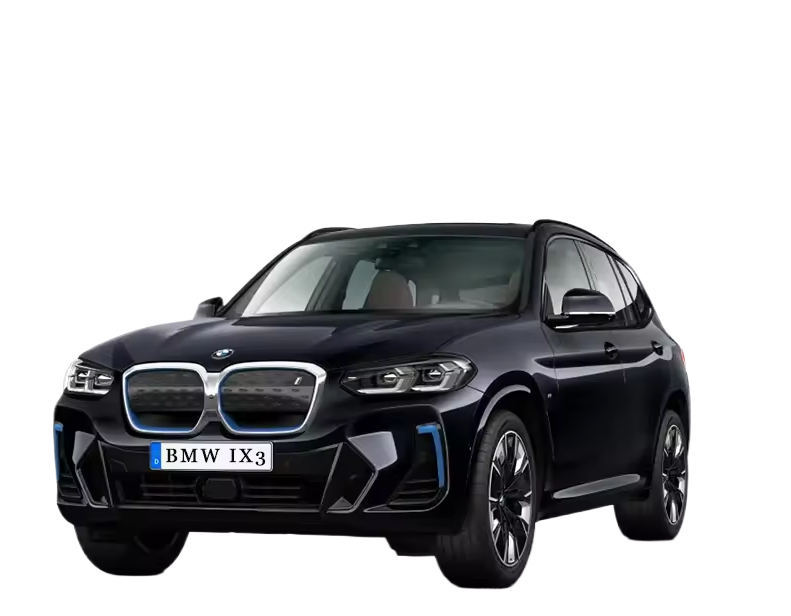
The export of used cars is making a real difference for people who need affordable transportation but can't afford new vehicles, particularly across many developing nations. As richer countries send out more secondhand cars to places in Africa, Asia, and Latin America, we're seeing these regions close some of their mobility gaps. The numbers tell the story too: around 2.4 million used cars left ports in 2015, jumping to nearly 3.1 million just seven years later. For countless families, models like the reliable old Toyota Camry or sturdy Kia Sportage represent freedom they never had before when they were stuck waiting hours on crowded buses. Some economists point out that bringing these pre-owned vehicles into local markets does more than just get people around town faster. It actually helps boost economies because folks can reach work opportunities and essential services much easier than before. Of course there are debates about environmental impacts, but for millions struggling with basic transportation needs, these cars remain lifelines.
Second hand car markets are growing fast right now because of things happening economically like inflation and how expensive new cars have become. People in places like Nigeria and India especially are turning to pre-owned vehicles since they just make more sense financially. Market data shows that brands such as Hyundai and Toyota are really taking off in the used car sector. These models tend to last longer and cost less overall, which explains why so many folks are going this route. Interest rates bouncing around all over the place definitely impacts how people finance used cars too. When rates drop even a little bit, suddenly buying a used car becomes something average families can actually afford. All these money related changes mean more people can own cars than ever before while at the same time helping grow what's becoming a major part of transportation options for different groups of people throughout developing economies.
Older car fleets are a major source of carbon emissions, creating environmental problems that clash with what newer cars aim to achieve in terms of sustainability. Research shows that cars made before recent years pump out far more pollution because they don't have the advanced tech found in today's vehicles for cutting down emissions. Take for instance what UNEP found about secondhand cars sent to African countries - many of them date back two decades or more and miss out on all sorts of modern emission controls. These extra emissions only make climate change worse and highlight why we need better approaches to transportation. Green groups keep pushing for fleet upgrades since tackling pollution from these old rides remains essential if we want any real progress on sustainability worldwide. As we move toward electric vehicles, figuring out what to do with all those still running around and spewing CO2 becomes increasingly important.
According to recent UN studies, vehicle exhaust is really hurting air quality in cities where old cars still dominate the roads. These reports show how car fumes create major health problems for people breathing them in daily, causing everything from asthma attacks to long term lung damage, especially in poorer neighborhoods. Take look at what's happening in many African and Asian cities right now. Used car imports bring in decades-old models that spew out dangerous pollutants, making smog worse and creating real headaches for local authorities trying to clean up the air. The UN wants countries to switch toward electric vehicles instead. They suggest giving tax breaks for green cars while investing in charging stations across town. While this sounds great on paper, getting rid of all those gas guzzlers won't happen overnight. Still, these kinds of programs help cut down on dirty emissions and make our communities healthier places to live over time.
Differences in how countries regulate vehicle emissions create major headaches when exporting cars across borders. Places like the EU have strict rules requiring dealers to sell cleaner, more efficient vehicles on their roads. Meanwhile, many developing nations let in older cars that pollute more, something the UN Environment Programme has pointed out repeatedly. What happens is that cars considered unsafe or outdated in places with tough regulations end up getting sold elsewhere where standards aren't so high. Take Africa for example most African countries get secondhand vehicles from Japan, Germany, France, and even the US, though these cars often fall short of what's required back home in terms of emissions. The gap between these regulations influences what people buy too. A lot of folks go for cheaper used cars instead of pricier electric models simply because money matters more than environmental concerns sometimes. If we want to fix this mess, getting all countries on the same page about emissions would help. Also, tougher import laws could stop substandard vehicles from entering foreign markets. We've already seen problems pop up when companies tried to export cars to Europe only to hit roadblocks because their emissions were way too high.
Looking at what's happening in Ghana and Morocco shows us different ways countries handle vehicle imports when dealing with border trade problems. In Ghana, there are tough rules about how old cars can be before they get banned from entering the country anything over eight years old just doesn't make the cut. The idea behind this rule is pretty straightforward safer roads and cleaner air since older cars typically don't meet today's emission standards. What we've seen happen? Fewer junk cars on the streets for sure, but prices went way up which means poorer folks struggle to find affordable transportation options. Meanwhile across the Atlas Mountains in Morocco, things work differently here. The government wants people driving electric cars so they're giving out cash rewards to bring down purchase costs. They hope this will make EVs more common and eventually cut back on gas guzzlers. Both places still wrestle with creating truly green car markets though. Some analysts point out that simply banning old cars might clear up traffic congestion but won't solve everything unless there's also push towards electric alternatives. Recent numbers show Morocco's EV market growing slowly month after month, suggesting consumers are starting to warm up to these incentives even if change takes time.
The Haval Dargo really breaks new ground when it comes to green transportation options. What makes this car special is its fuel cell tech, something that represents real progress for eco-friendly vehicles being sold secondhand across borders. These cells cut down on carbon pollution while making the Dargo one of the cleaner choices available today in auto showrooms everywhere. Market response has been pretty good so far, and many analysts believe there's big room for expansion worldwide. Especially interesting are developing countries where people increasingly want cars that don't harm the planet quite so much.
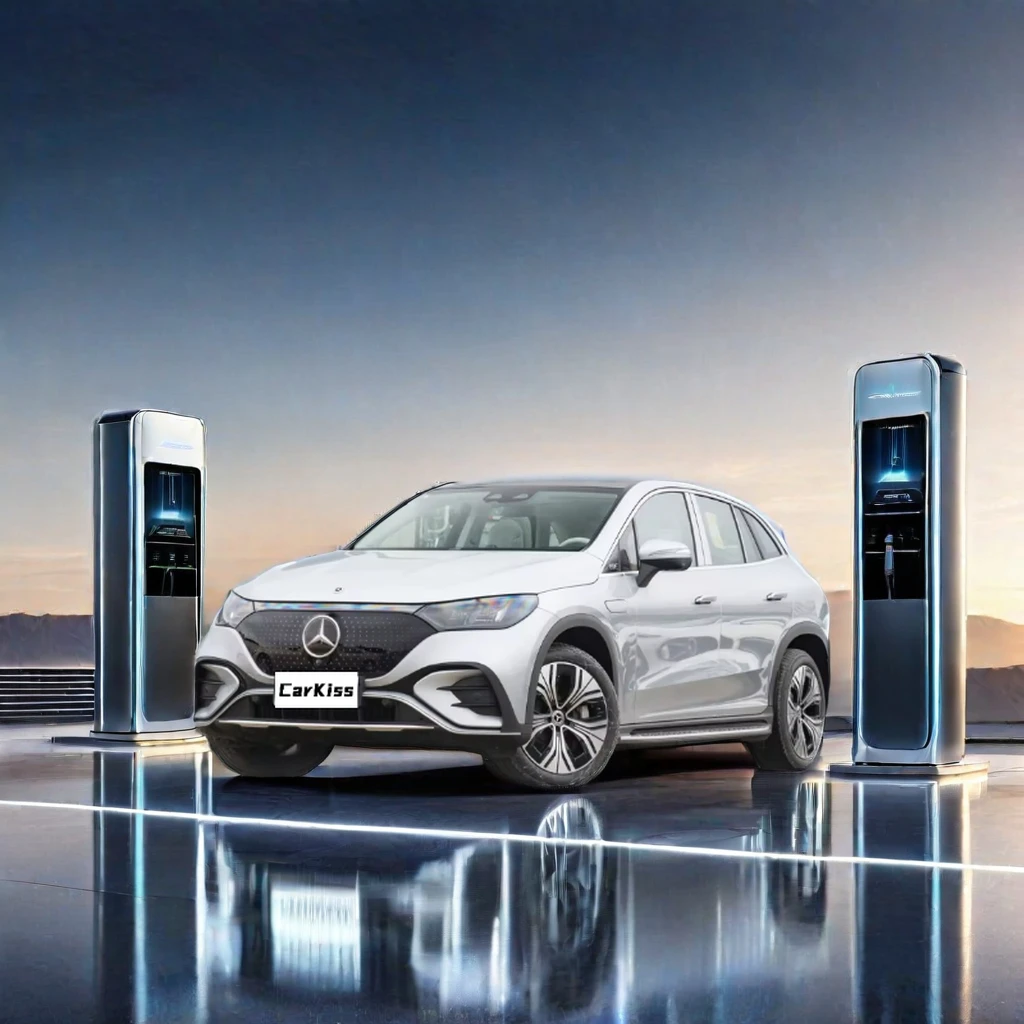
People love the Ben-z GLE 350 because of how efficient its turbo engine really is, which makes sense for folks watching their budgets in growing markets around the world. The turbo setup gives much better gas mileage than regular engines, so this car ends up costing less at the pump while still getting decent power. Car experts point out that improvements in turbo tech let manufacturers boost performance without breaking the bank on parts or repairs. That's why models like the GLE 350 keep selling well among drivers who want something that doesn't drain their wallet but still gets them where they need to go efficiently.
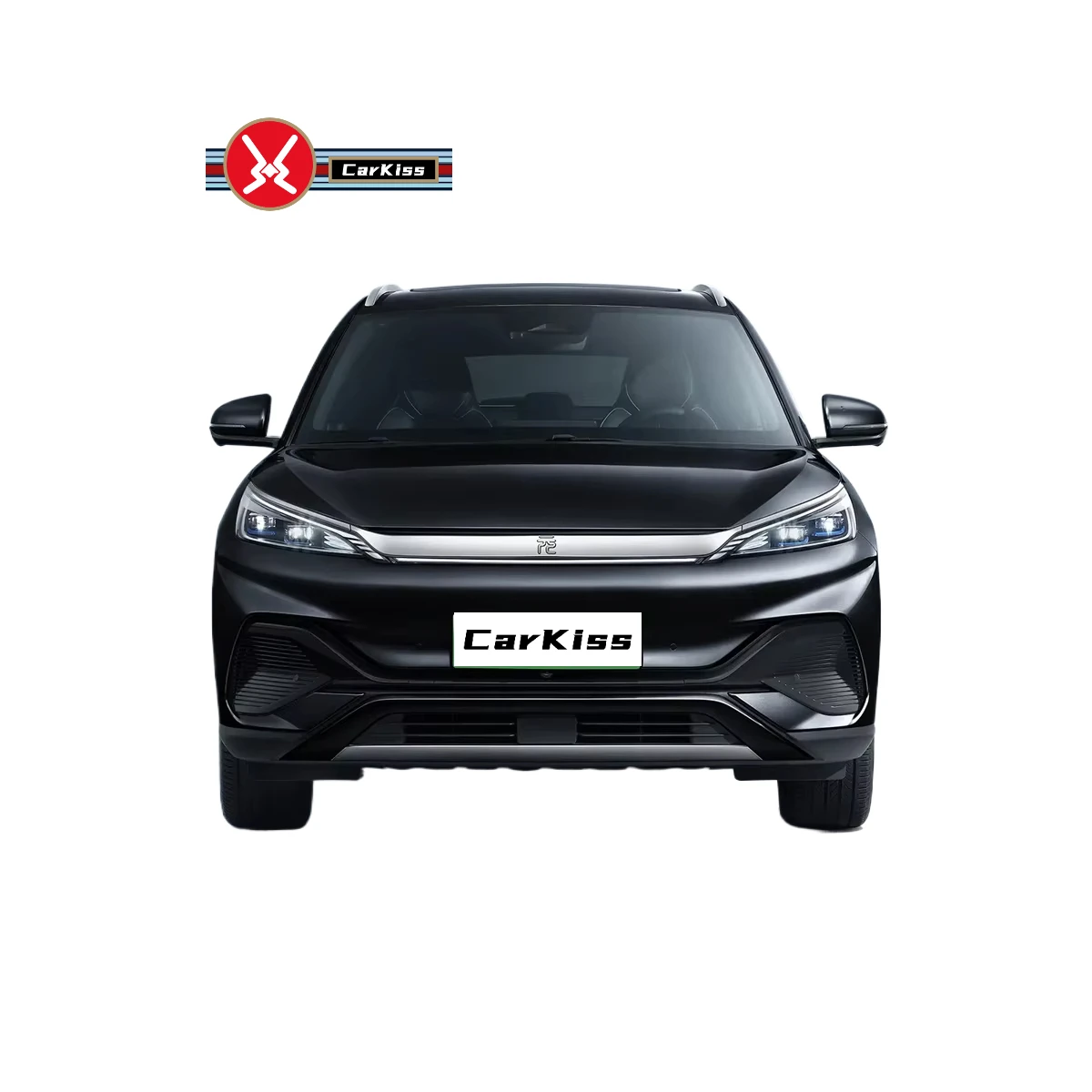
With a range of 510 kilometers and multiple driving modes, the BYD Yuan Plus EV is really catching attention among drivers who want something that works well everywhere from city streets to country roads. People who need to cover longer distances without worrying about charging stations find this model especially appealing compared to traditional gas-powered cars. The Yuan Plus stands out in the growing electric vehicle landscape, not just because it goes farther than many competitors but also because it's helping build momentum for secondhand electric cars entering the market as ownership becomes more mainstream.
We're seeing a real movement happening with certified pre-owned electric vehicles around the globe. More people are gravitating toward these cars because they cost less than brand new models and just don't hurt the planet as much. Sales numbers back this up too - the market has grown roughly 7% each year recently, which tells us folks are thinking differently about what matters when buying a car. Car manufacturers selling new vehicles need to pay attention here since demand is clearly shifting away from brand new models. What makes CPOs so appealing? Well, first off, they save money without sacrificing too much in terms of features. Second, they help reduce carbon footprints compared to manufacturing entirely new cars. Plus, most come with some sort of warranty or inspection report, giving buyers peace of mind about reliability. For anyone concerned about both wallet size and environmental impact, these used electric vehicles present a pretty good compromise.
Countries such as the United Arab Emirates are becoming major players in the global green mobility market. Dubai especially stands out as a top exporter of sustainable vehicles thanks to various government programs that encourage EV adoption and greener trade methods across borders. What happens here often sets trends elsewhere around the world, prompting other nations to think about their own approaches to cleaner transportation options. Sustainability isn't just talk for the UAE either. They've actually built up quite a network of charging points throughout the country while offering attractive deals for businesses looking to export electric cars. This kind of practical approach helps spread these technologies worldwide and gives other governments something real to consider when planning their own paths toward reducing carbon emissions from transportation.
 Hot News
2024-07-18
2024-07-08
2024-07-08

 EN
EN