Getting used cars out of the country requires knowing what papers are needed. Key documents include things like the Bill of Lading, which basically tracks where the car is going and acts as a contract between who's sending it and who's transporting it. Then there's the Export Declaration that lists exactly what's being shipped out of the country, and finally the Title Transfer that makes sure ownership legally changes hands. VIN numbers show up everywhere because they help confirm what kind of car we're talking about and who owns it, which stops people from pulling scams or making mistakes when filling out forms. Paperwork rules vary depending on where the car comes from and where it ends up. Industry reports suggest around one fifth of all exported vehicles get stuck somewhere because someone missed a form or filled something in wrong. Most professionals will tell anyone getting into this business to double check every document before handing them over. Some even invest in special software programs designed specifically for handling these kinds of exports, since getting everything right first time saves money and headaches down the road.
When shipping vehicles out of the country, most exporters rely on the Automated Export System (AES) to get their paperwork done right. This system lets companies send over the necessary Electronic Export Information (EEI) to the U.S. Census Bureau. Getting that all important Internal Transaction Number (ITN) matters a lot because it basically confirms everything went through properly on the AES side. To snag an ITN, folks need to file those EEI documents at least three days ahead of when the cargo hits the road or rail. Miss this deadline and suddenly customs agents start asking questions at border crossings. Many businesses end up paying hefty fines just because they either sent incomplete info or waited too long to file. One big mistake we see regularly? Typos in product descriptions or missing documentation details. These small errors create major headaches later on. For anyone new to this process, setting up an Automated Commercial Environment (ACE) account makes things easier, especially when paired with good quality export software. Some companies find it smarter to work with experienced customs brokers who know all the ins and outs of AES requirements. After all, nobody wants to spend time learning the ropes while also running a business. Real world examples show how companies that plan ahead and team up with experts tend to move their vehicles across borders without any hiccups.
Before shipping secondhand automobiles abroad, checking what shape they're in and figuring out if they qualify based on age requirements matters a lot. Most nations set rules about how old imported cars can be, and this affects whether authorities accept them plus what kind of taxes get applied. Getting vehicles past these age restrictions makes all the difference when trying to export successfully. Age isn't everything though. Going through proper inspections to get documentation showing the car works properly is just as vital. These papers prove the car runs well and actually boost what someone might pay for it overseas. Car industry folks know that models that look brand new typically fetch better money at resale time. Hiring professionals who specialize in inspections brings real benefits too. They check everything carefully so buyers know the used cars match quality expectations and follow all those complicated global laws about vehicle imports.
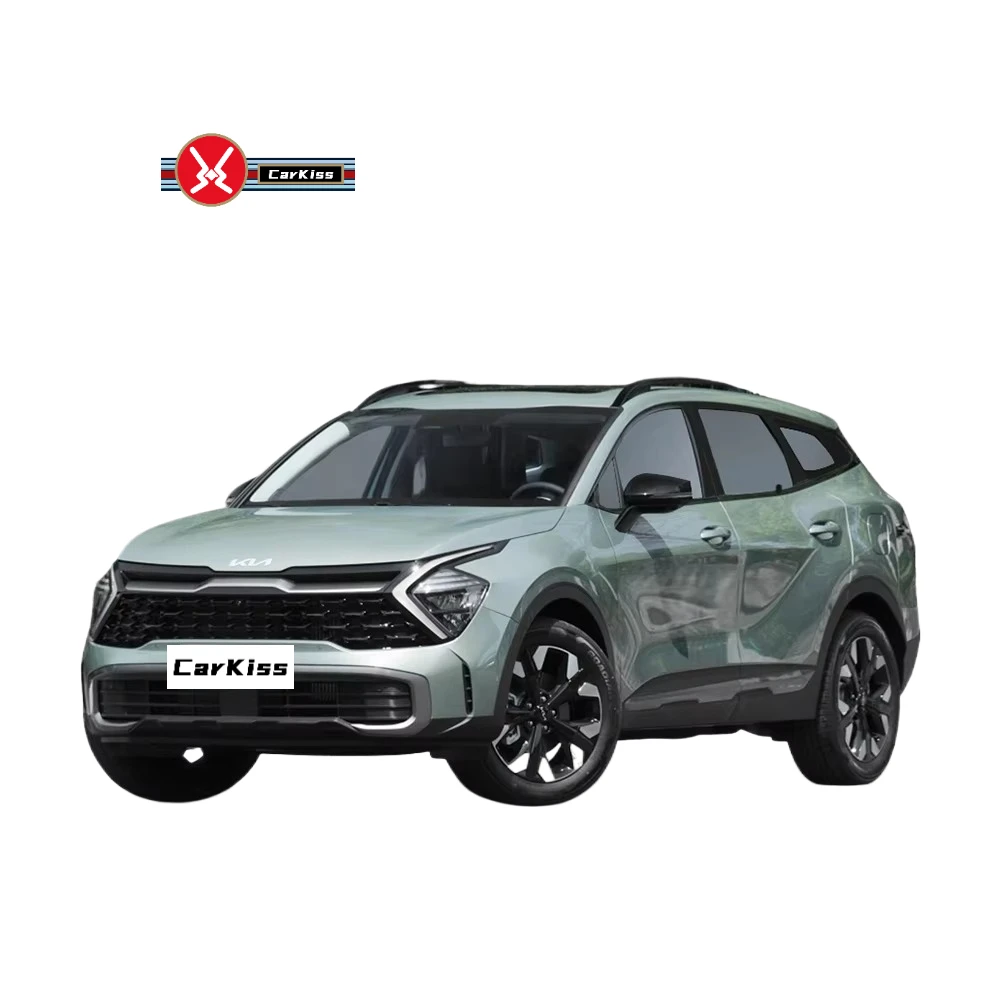
Getting a handle on what customers want matters a lot when it comes to big name brands such as Honda and Kia. Looking at the numbers shows that places like China, Mexico, and parts of Africa are starting to really take interest in these vehicles because people there trust them to last longer and they don't cost an arm and a leg compared to other options. When companies look closely at how markets are changing, they can tweak what they sell overseas to match what local buyers actually want. Market reports act kind of like roadmaps showing exactly where Honda and Kia already have good sales presence, which helps figure out how much to charge and stay ahead of rivals. Competition is getting tougher all the time, so knowing all this stuff lets businesses price cars competitively while still making money. Plus, grabbing hold of those industry stats and using proper analysis software makes doing all this research much easier, giving companies a better shot at tapping into international demand without missing any key details along the way.
International vehicle shipping requires making a big choice between container shipping and Roll-on/Roll-off or Ro-Ro shipping. With container shipping, cars get loaded into metal boxes that shield them from rain, sun, and other outside stuff. The downside? This option usually costs more money. How much exactly depends on what size container they need and where it needs to go. On the flip side, Ro-Ro shipping tends to save cash since drivers just roll their vehicles right aboard ships and park them down below deck somewhere. Works great for regular sized cars but doesn't protect as well during stormy weather when waves crash around.
The numbers tell us different stories about how long things take and how reliable each method really is. Container ships tend to stick to their schedules pretty well, which makes them good choice when there's no room for delays. Then again, roll-on roll-off vessels typically get cargo loaded and unloaded much faster at most ports, so this becomes important factor if we're talking about certain destinations. People who know the automotive transport business recommend picking between these options based on what kind of cars need moving and where they have to go. Looking at actual shipping records from recent years, many companies went with Ro-Ro service for saving money on those trips heading toward Nigerian markets. But when valuable luxury models needed protection during transit across the Atlantic to British shores, containers were clearly the safer bet despite higher costs involved.
Moving EV batteries around creates all sorts of headaches because of strict rules governing them. They're considered dangerous cargo, so anyone shipping them needs to follow international laws to the letter. If companies skip over these requirements, they could face serious fines and create real dangers while the batteries are being transported. We've seen plenty of cases recently showing just how important these rules really are. There were several instances last year where improper handling caused batteries to leak or even catch fire mid-transit. That's why proper paperwork and careful handling aren't just suggestions but absolute necessities when dealing with these power packs.
Dealing with these issues requires some basic steps first. Getting the right packaging sorted out matters a lot, along with proper labels as per the International Maritime Dangerous Goods or IMDG Code. Don't forget those transport papers either they need filling in correctly without any mistakes. Looking ahead, most experts think there will be changes coming to how electric vehicles get moved around worldwide. We're probably going to see more consistency between different nations' rules as time goes on, which should make things safer for everyone involved. Understanding all these regulations isn't just good practice it's essential really. Companies that ignore them risk serious accidents during shipping and face major headaches when trying to get their electric cars exported smoothly across borders.
For cars like the Ford Explorer heading overseas, meeting emissions standards matters a lot because it keeps them compliant with all those different environmental rules around the world. What exactly do these standards cover? Well, they typically limit harmful stuff like carbon dioxide, nitrogen oxides, and tiny particles floating in exhaust fumes. When manufacturers miss these targets, things get really expensive fast. Fines pile up, lawsuits become possible, and worst of all, some countries might just shut their doors to non-compliant models. A recent survey showed nearly 40% of automotive exporters run into trouble with emissions requirements somewhere along the line. Industry watchdogs from places like the EPA and various green groups keep reminding everyone that following these standards isn't optional if companies want to sell abroad. The good news? There are ways forward. Companies can upgrade engine tech, switch to greener manufacturing practices, and spend more time testing prototypes under real-world conditions. Some automakers have already seen success with hybrid systems and better catalytic converters, though implementing these changes often takes years and millions in R&D spending.
For automotive companies looking to ship vehicles overseas, getting up to speed on international trade rules isn't just helpful—it's essential for keeping things running smoothly. Trade deals such as USMCA and various European Union regulations set the ground rules for how goods move between countries. When manufacturers ignore these requirements, they face serious problems including blocked shipments, hefty fines, and damage to their brand image. That's where experienced legal counsel comes in handy. These specialists help exporters figure out exactly what they need to do while also protecting their interests when disputes arise. Take the recent case of a major automaker hit with millions in tariffs after misinterpreting a North American Free Trade Agreement provision. Regular checkups of compliance status, tracking regulatory updates through official channels, and working closely with trade lawyers form part of a solid strategy. Automotive exporters who invest time in mastering these requirements typically avoid costly mistakes and maintain better relationships with partners around the world.
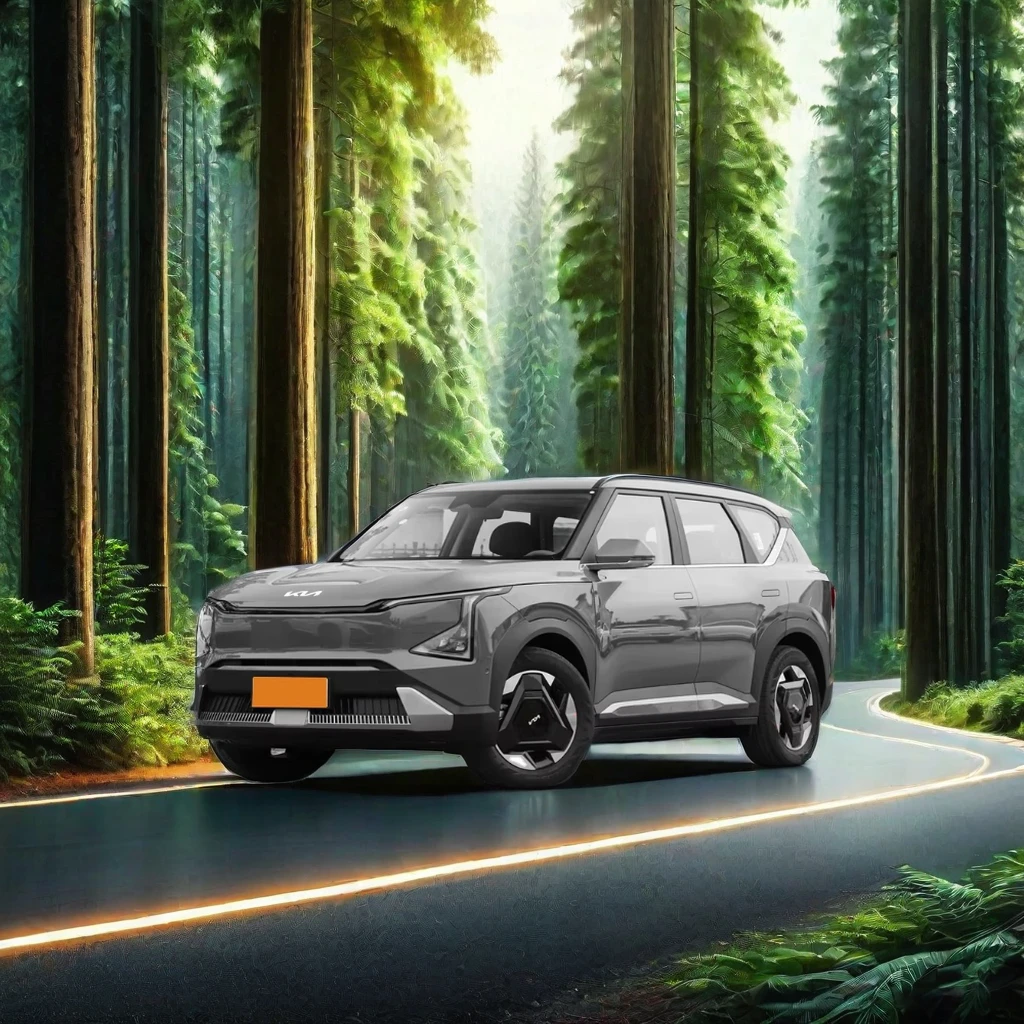
The 2024 Kia EV5 Electric SUV really catches attention because it manages to pack both impressive range and all sorts of great features into one package. Built with green credentials front and center, this vehicle offers drivers something much cleaner than traditional gas guzzlers. We're seeing more people want electric SUVs these days around the globe, so the Kia EV5 becomes pretty attractive for folks who care about reducing their carbon footprint. There's been quite a surge in interest lately for these kinds of vehicles, mainly because they just don't pollute as much and we're all getting more serious about going green when it comes to getting around town. Most industry insiders give Kia high marks for building quality cars across different markets, which definitely adds to what makes the EV5 stand apart from competitors. While nobody can predict exact numbers, most analysts think sales will probably do well considering how many consumers are now seriously thinking about switching to electric options.
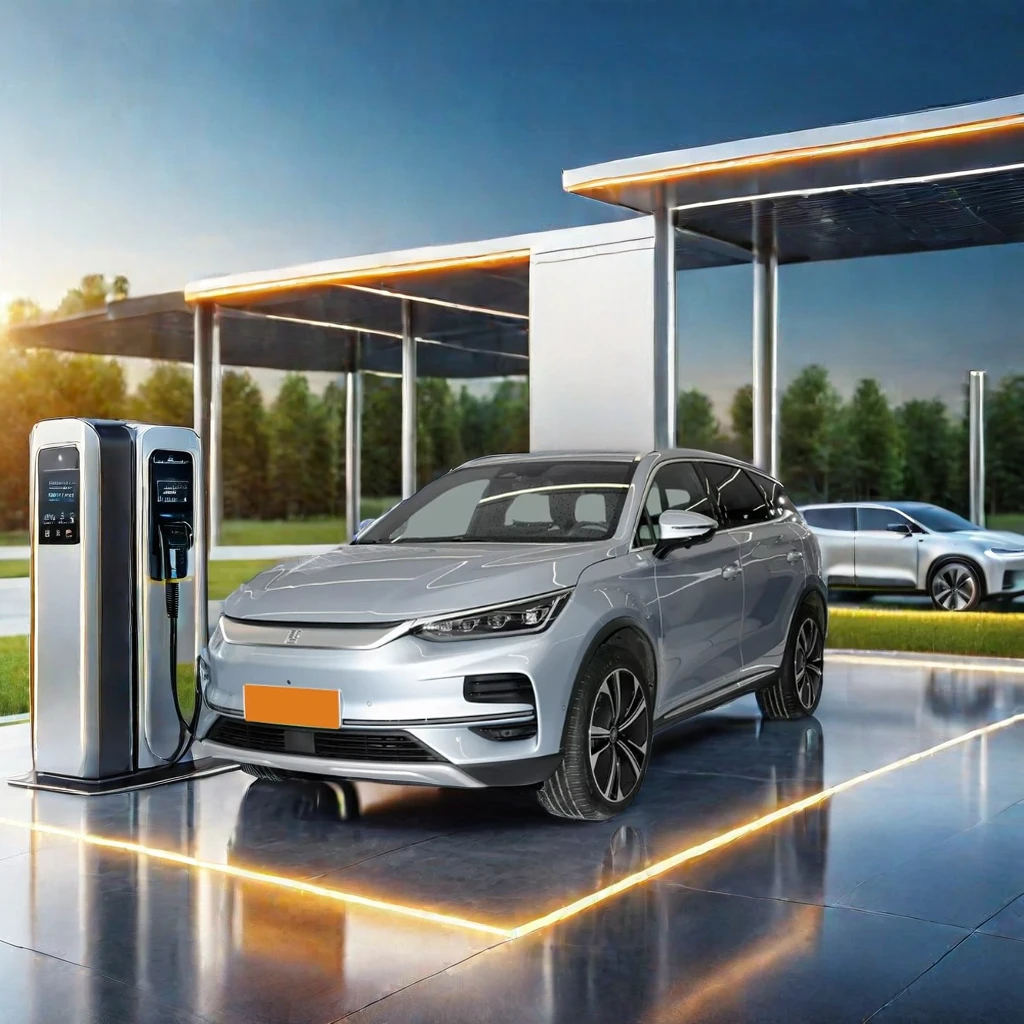
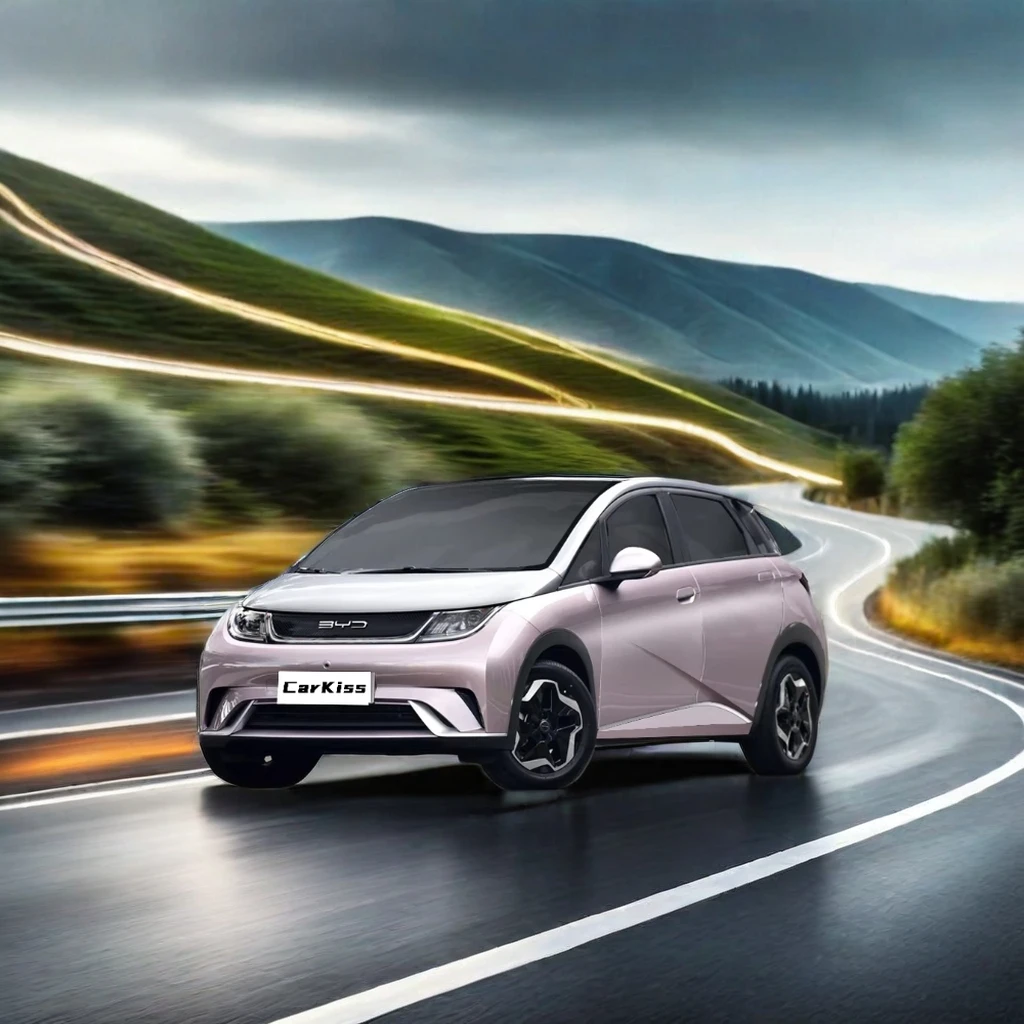
The 2024 BYD Tang EV Honor Edition targets families who want something fancy but practical. What really sets this electric vehicle apart? Look at those seven seats inside! Plenty of room for kids, parents, and all the gear that comes with family life. BYD isn't just another player in the EV game anymore. They've built a reputation for solid performance and tech that actually works well together. People who've driven it talk about how smooth the ride feels compared to other big electric SUVs on the road today. When companies start selling these kinds of premium seven seaters overseas, they're tapping right into what consumers worldwide are asking for now: luxury cars that don't hurt the planet. The numbers back this up too. Most analysts expect sales of BYD models to keep climbing steadily as more people switch away from gas powered vehicles across different countries.
The Changan UNI-V iDD stands out as a serious contender in the hybrid space for those looking to reduce their environmental impact while still getting solid performance on the road. What really sets this model apart are features like its 1.5L engine paired with an electric motor, which delivers impressive fuel economy numbers without sacrificing acceleration when needed. Looking at worldwide car sales data, we see people increasingly gravitating toward hybrids because they offer something neither fully electric nor gas-only cars can match - reliable range combined with lower emissions. Industry analysts have pointed out how smartly Changan has positioned itself globally, especially in regions where government incentives make green tech more attractive to consumers. Sales projections look good too, with many expecting models like the UNI-V iDD to reshape what we consider standard in family vehicles over the next few years as demand continues growing for cleaner alternatives to traditional combustion engines.
 Hot News
2024-07-18
2024-07-08
2024-07-08

 EN
EN